

By Thapelo Molefe
South Africa’s municipal water and sanitation system is in a dire state, with wastewater treatment plants collapsing under financial strain, mismanagement, and a lack of technical expertise.
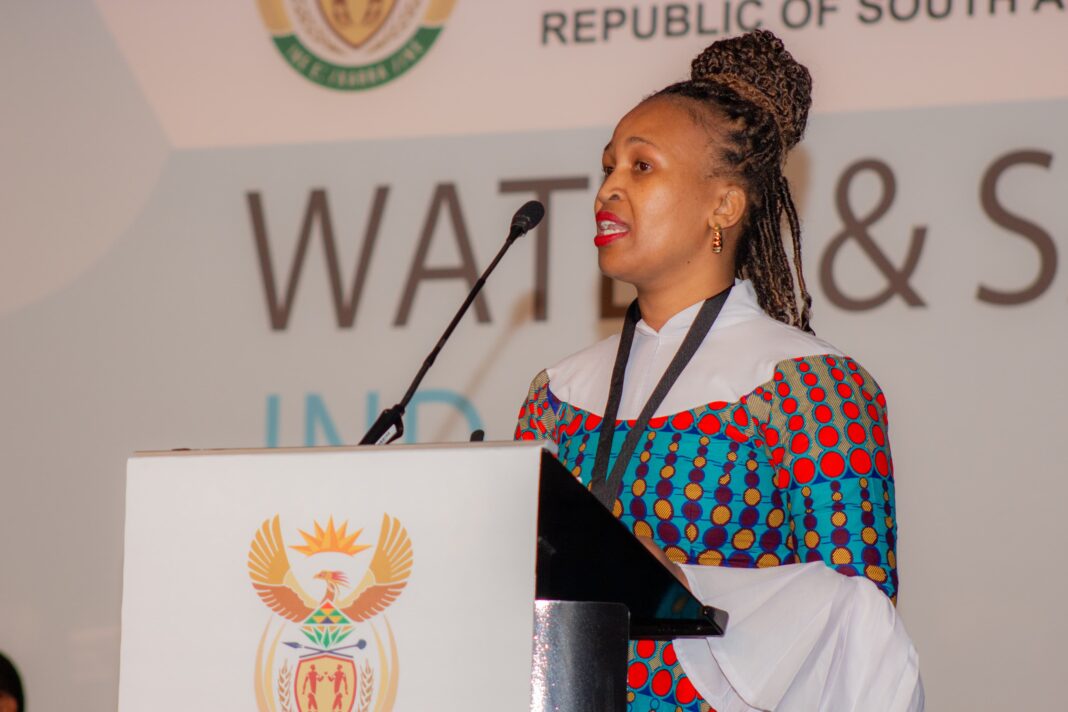
This was the stark reality exposed during the Water and Sanitation 2025 Indaba on Friday, where commissions delivered alarming feedback on the worsening state of water purification and sanitation across municipalities.
The presentations painted a grim picture of municipalities failing to meet national standards, with many treatment plants regressing to red drop status, a category indicating severe non-compliance and unsafe water.
“The situation is deteriorating rapidly, and many municipalities simply do not have the capacity to recover,” said water solutions expert Nontando Rambau.
“Some wastewater treatment plants are operating without proper monitoring, and in some cases, without any qualified process controllers at all.”
A major issue raised was the loss of Green Drop Certification—a national recognition of municipalities meeting wastewater treatment standards.
“Even those that once achieved Green Drop Status have now backslid due to a lack of funding and the failure to enforce minimum technical requirements,” Rambawu explained.
The lack of urgency in addressing these issues was another point of frustration.
“We are dealing with raw sewage being released into rivers, putting communities at risk, and yet there is no immediate action being taken,” she noted.
“We’ve reached a point where non-compliance has become the norm.”
The other presentation reinforced the crisis, revealing that municipalities are severely underfunded, with only 10% of fiscal allocations directed towards water infrastructure.
“Water is an essential service, yet it receives such a small percentage of the budget,” Municipal Infrastructure support agency’s Malakhiwe Jafta said.
“And even within that allocation, there are delays in grant payments and financial mismanagement that make the situation worse.”
One of the most alarming revelations was the continued absence of key municipal representatives from the Indaba, a move that the Portfolio Committee viewed as an attempt to avoid accountability.
“We cannot discuss solutions when the people responsible for implementing them do not even show up,” a frustrated delegate remarked.
The Indaba called for stricter regulatory oversight, clearer financial guidelines to prevent misuse of funds, and the enforcement of performance-based contracts for municipal managers.
However, a recurring concern was the lack of political will to implement reforms.
“We have the policies, we have the strategies, but they remain on paper,” one speaker noted.
“If municipalities do not start complying with the law, South Africa’s water crisis will spiral out of control.”
INSIDE METROS