

By Thapelo Molefe
The South African National Taxi Council (SANTACO) has condemned the killing of an e-hailing driver in Soweto and rejected claims that commuters are being intimidated into using taxis at malls and transport hubs.
This follows a shootout at Maponya Mall, in Soweto, last week in which 27-year-old e-hailing driver Mthokozisi Siyanda Mvelase was killed.
A passer-by was injured in the attack, and two e-hailing vehicles were torched.
The incident is believed to be linked to ongoing tensions between taxi operators and e-hailing drivers.
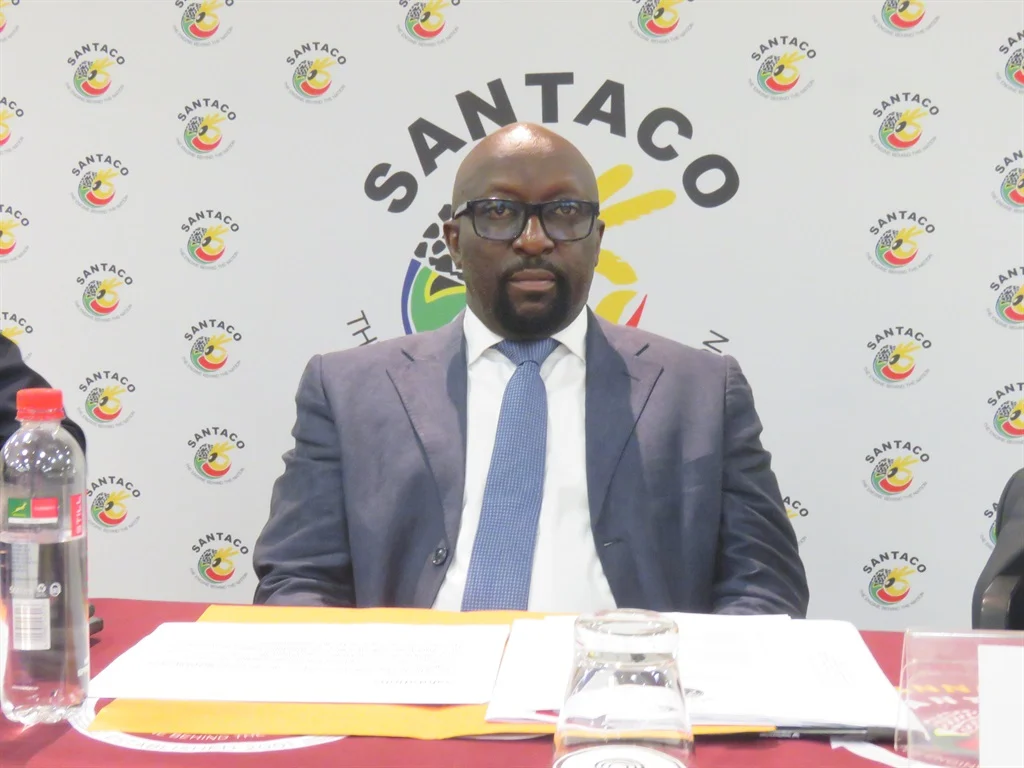
Briefing the media on Tuesday, SANTACO Gauteng chairperson Midday Mali described the incident as “a horrific and senseless act of violence,” adding that it has shaken both the taxi industry and the public.
He said SANTACO would assist Mvelase’s family with funeral arrangements.
“We cannot and will not defend this,” Mali said.
“There is no place in our province or in our industry for anyone who uses SANTACO or the taxi industry more broadly as a cover for criminality and terror.”
The attack, which triggered widespread outrage, also sparked allegations that taxi patrollers and marshals intimidate commuters at shopping centres and taxi ranks.
Mali dismissed these reports as unlawful practices that SANTACO does not tolerate.
“This is unacceptable, unconstitutional, illegal. We distance ourselves fully from these practices. We urge all passengers to report criminality to the authorities,” he said.
SANTACO president Abner Tsebe, who cut short his leave following the incident, said the killing had brought the industry to a “painful reckoning.”
“Last week at Maponya Mall in Soweto, our nation witnessed an unspeakable act of violence. A young e-hailing driver, just 27 years old, was brutally attacked. His life was taken in the most horrific way,” Tsebe said.
“We condemn this violence in the strongest possible terms. It is inhuman. It is criminal. And it is unacceptable.”
He warned that anyone involved would face swift expulsion:
“SANTACO has a zero-tolerance policy for violence. Any operator, driver, or member of our associations found to have been involved in this attack, or any similar act of violence, will be immediately expelled from our ranks. We will support full prosecution and we will never defend or shield perpetrators. Violence is crime, and crime has no place in the taxi industry or anywhere in our South African community.”
Tsebe also reiterated that commuters have the right to choose their mode of transport.
“You have the right to choose how you travel — whether by private car, e-hailing, metered taxi, bus, train, or taxi. Disagreements and disputes are part of any industry, but they must be resolved through lawful, peaceful channels and not through intimidation, killings, or burning,” he said.
SANTACO said it had engaged with provincial authorities, e-hailing representatives, mall management, and community leaders to defuse tensions at Maponya Mall.
As part of the discussions, police agreed to prioritise the case, drawing on CCTV footage and community intelligence to track down those responsible.
All licensed operators — taxis, e-hailing, and metered taxis — would be granted equal access to operate within the mall’s transport facility.
Security will be reinforced through visible policing and private patrols, while a temporary licensing help desk will be set up to clear permit backlogs.
Crucially, the parties agreed to a zero-tolerance approach to threats, harassment, or intimidation against passengers and drivers.
“We will not tolerate any further harassment or criminality in our facilities,” Tsebe said.
SANTACO also pledged to assist the bereaved family.
“We are ready, in partnership with Cebolethu funeral parlour, to take the body from Gauteng to KwaZulu-Natal and also to bury the body,” Tsebe said.
He added that the council would also visit the injured driver and host a prayer session at the mall next month.
Both leaders stressed that the incident underscored the need for reform.
Mali pointed to the Hlokomela safety campaign and driver training programmes, while Tsebe warned that “criminal elements” were hiding behind the taxi industry’s name.
“These criminals do not represent us. They do not represent the taxi industry,” he said.
Mali closed with an appeal for commuters’ trust: “We ask for your partnership, your vigilance, your forgiveness. Rebuilding trust is not just about press conferences and speeches. It is about action.”
INSIDE METROS