

By Thebe Mabanga
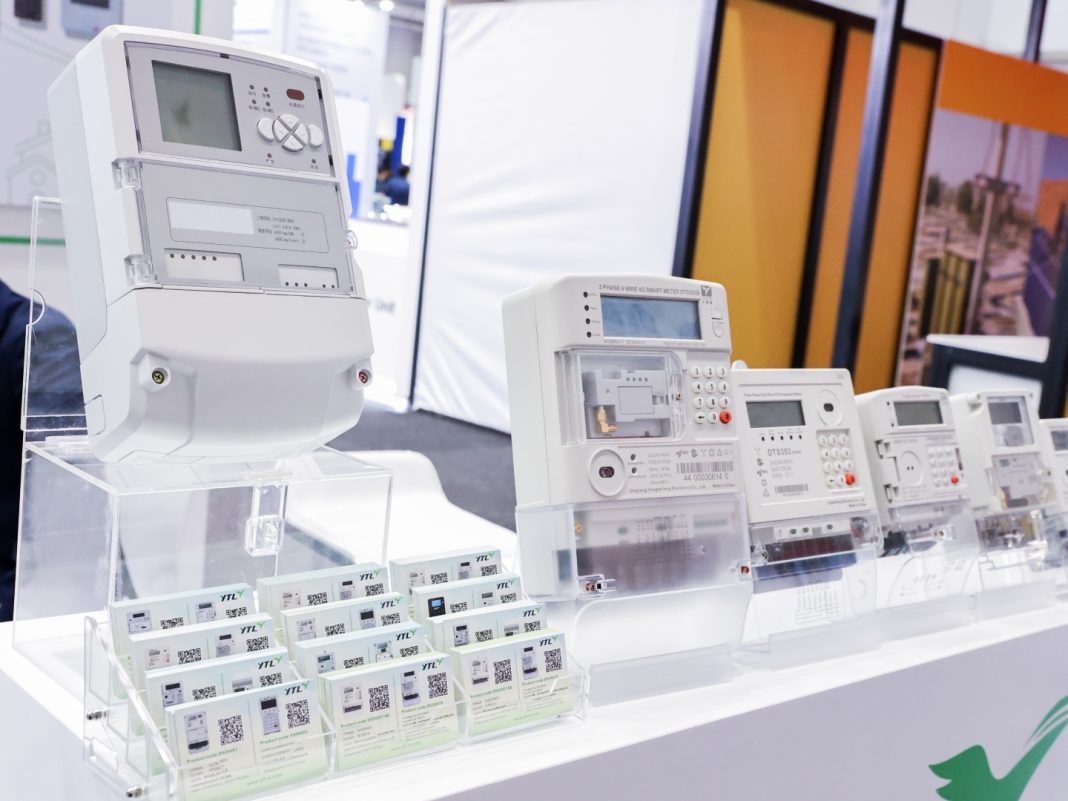
Eleven municipalities are set to receive a total of 77 780 smart meters as part of the second phase of the smart meter rollout.
The first group of eight municipalities received 67 000 smart meters at a cost of R500 million, the National Treasury announced at a special workshop for media and other stakeholders on Wednesday.
Government aims to install 250 000 meters over a three-year period ending in 2027/28, using indirect grant funding of R2 billion already approved for the programme.
Of this, R650 million has been set aside for 2025/26, R800 million for 2026/27, and R836 million for 2027/28.
The programme is intended to help municipalities improve revenue collection and manage debt owed to Eskom.
The 19 municipalities accredited so far are drawn from a pool of 71 that are part of the Eskom Debt Relief Programme.
The latest municipalities to be included are Amahlathi in the Amathole District in the Eastern Cape; Cederberg, Dawid Kruiper (headquartered in Upington) in the Northern Cape; Endumeni; Enoch Mgijima; Kannaland; Mogale City in Gauteng’s West Rand; Matzikama; Ramotshere Moiloa; Raymond Mhlaba; and Ubuntu in the Pixley ka Seme District in the Northern Cape.
The smart meters are being installed under a transversal tender known as RT29, issued in 2023, which has accredited a handful of local suppliers, including African Metering Solutions, MTN, and Vodacom.
Metros are not included in the programme but may participate by sourcing meters from accredited suppliers at their own cost.
The meters are bidirectional, meaning they can also carry solar energy, provided the municipality is accredited and has tariffs approved by the National Energy Regulator of South Africa (NERSA).
The project is managed by the South African National Energy Development Institute (SANEDI), which will run a model of the municipalities’ revenue offices for monitoring purposes.
When asked how government will prevent corruption in the project, National Treasury Director for Local Government Budget Analysis Sadesh Ramjathan said that municipalities will not receive funds directly; service providers will be paid only upon completion of installation.
Ramjathan noted that while initial analysis from Bela Bela and Sol Plaatje municipalities looks positive, Treasury has not yet determined whether participating municipalities will be able to control revenue and reduce arrears.
Key features for customers include the ability to track consumption in real time on cellphones and more accurate consumption measurements and billing.
The programme has expanded from single-phase residential areas to larger users, including businesses, and excludes indigent households.
INSIDE METROS