

By Thapelo Molefe
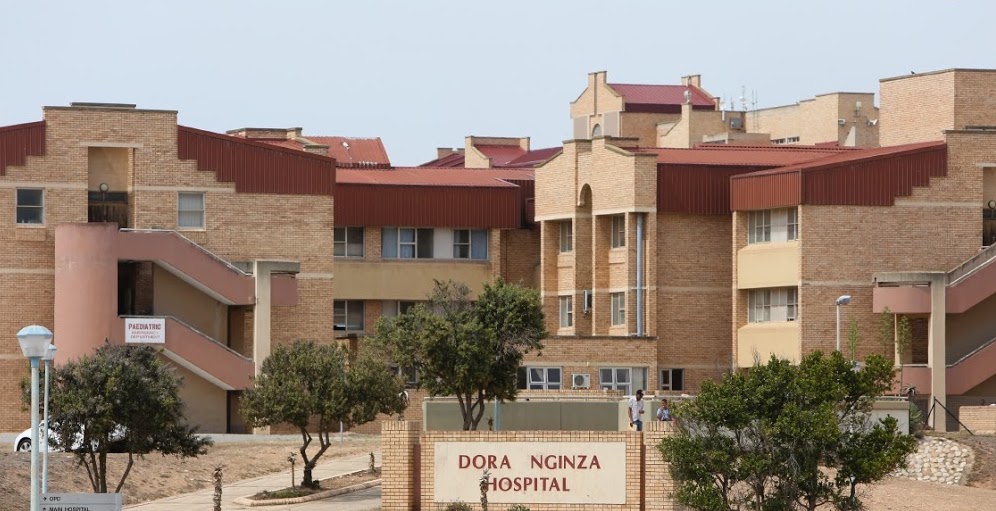
The Eastern Cape Department of Health has failed to meet deadlines set by the Public Protector to address systemic failures at Dora Nginza Regional Hospital (DNRH) in Gqeberha, Nelson Mandela Bay, a parliamentary oversight visit revealed on Tuesday.
A statement from the Select Committee on Social Services, released on Wednesday, detailed findings from the visit, which assessed the department’s progress in implementing the Public Protector’s remedial actions.
The investigation, prompted by 2023 media reports of pregnant women sleeping on chairs and floors while awaiting critical caesarean sections, concluded earlier this year that conditions at DNRH constituted maladministration and violated patients’ constitutional rights to healthcare, dignity, and privacy.
“The allegation that the provision of basic healthcare services by the Department at DNRH is not delivered in a progressive and effective manner, as contemplated in the Constitution, is substantiated,” the Public Protector’s report stated.
The committee acknowledged some progress but emphasised that it fell short of requirements, with missed deadlines undermining the urgency of the mandated reforms.
Overcrowding in the maternity ward remains a critical issue, with post-delivery patients waiting on chairs for beds, risking disease and complications. Nurses, constrained by shared spaces, consult patients in ways that breach their privacy rights.
Severe staff shortages exacerbate the crisis. The hospital operates on an outdated 2016 organogram, leaving critical posts for medical specialists, nurses, and cleaners vacant for five years.
Equipment shortages are equally dire, with only one functioning infant warmer and shortages of blood pressure monitors, haemoglobin machines, cardiotocography machines, and dinamaps. Orders for 30 cardiotocography machines, placed in January 2023, remain undelivered.
The Public Protector also criticised delays in converting Empilweni Tuberculosis Hospital into a district hospital, a plan proposed in 2017 but still unrealised.
As a result, DNRH continues to serve as a clinic, district, regional, and tertiary hospital simultaneously, straining its resources.
“The undue delay in the procurement of medical equipment has the potential to endanger and compromise the lives of people who depend on the hospital,” the report warned.
The National Education, Health and Allied Workers’ Union (Nehawu) expressed alarm over the department’s inaction. “We remain concerned that a government department has failed to respond within the stipulated framework,” said Eastern Cape Provincial Secretary Mlungiseleli Ncapayi.
He said that over 100 days have passed since the report’s release without significant progress.
Nehawu plans to launch a campaign in October, mobilising members and the Nelson Mandela Bay community to pressure the department.
Stakeholders at the oversight meeting echoed these concerns, with some proposing that the department be placed under administration.
The committee, while appreciating limited progress, urged greater efforts to improve healthcare services.
The oversight programme also included visits to Empilweni, Livingstone Tertiary, and Port Elizabeth Provincial hospitals, where similar systemic issues were observed.
INSIDE METROS