

By Thapelo Molefe
A joint parliamentary oversight delegation has urged Eastern Cape municipalities to fast-track the delivery of water and infrastructure services amid growing concerns over poor governance, decaying infrastructure, and chronic service delays.
The delegation, made up of the Portfolio Committee on Cooperative Governance and Traditional Affairs (CoGTA) and the Standing Committee on the Auditor-General, met on Tuesday with five municipalities — Koukamma, Blue Crane, Inxuba Yethemba, and the OR Tambo District Municipality.
The session with the Sundays River Local Municipality was postponed allowing the presence of provincial MECs for CoGTA and Finance to address key questions from members.
Across the board, committee members identified deep-rooted weaknesses in service delivery, financial management and institutional capacity.
In a statement on Wednesday, the delegation said the engagements revealed that many of the municipalities face similar challenges, including financial instability, staff shortages, and significant backlogs in water and sanitation projects.
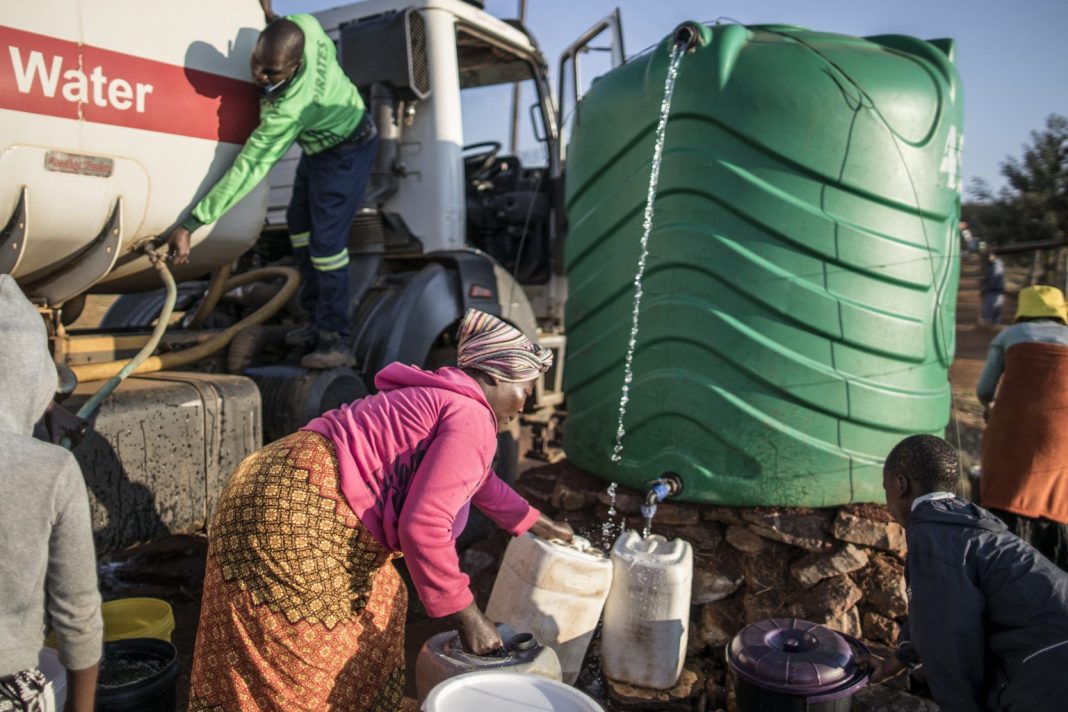
In the Koukamma Municipality, members heard that residents have endured water shortages for over a decade. Even when water systems are functional, they operate for only a few hours a day.
Several pumping stations remain incomplete, and a water purification plant built a few years ago has since been abandoned.
Similarly, in the Blue Crane Municipality, the delegation noted that frequent water and electricity outages have disrupted households and forced small businesses to close or relocate.
Members expressed frustration that less than 5% of the allocated funds for major water and energy projects had been spent, calling for urgent infrastructure upgrades.
During the engagement with OR Tambo District Municipality, committee members raised alarm over strained water infrastructure and concerns that the firefighting service in the district was either non-functional or severely under-resourced.
“These issues go to the heart of service delivery,” one member remarked, noting that communities depend on municipalities for safety and emergency response.
The shortage of technical and experienced personnel also emerged as a major concern. Many skilled staff have either retired or left for the private sector, leaving critical gaps in institutional memory.
In Blue Crane, high stress levels, burnout, and slow recruitment have worsened the situation, with numerous vacancies and resignations affecting operational capacity.
Committee member Dikeledi Direko, who chaired the sessions, urged municipal leaders to prioritise investment in human capital.
“A tired institution cannot deliver effectively. Those with the experience and institutional memory must mentor and guide the next generation,” she said.
Leading the delegation, Chairperson of the Portfolio Committee on CoGTA Zweli Mkhize, emphasised that the oversight visit was not only an accountability exercise but also an opportunity for renewal and reform.
“We expect tangible improvement when we return – in infrastructure delivery, in institutional stability and in the confidence, communities have in their municipalities,” he said.
Mkhize stressed that municipalities must document identified problems, analyse failures, and implement corrective actions to prevent recurring mistakes.
“Oversight and management are not just about reacting but about analysing and preventing the same mistakes from happening again,” he added.
He further highlighted that accountability, structure, and people form the foundation of effective governance.
“When you begin to address the basics, from vacancies to programme execution, you start to build stability and trust,” Mkhize said.
The joint delegation, working alongside the Eastern Cape Provincial Legislature, will continue its engagements with other municipalities in the province as part of its ongoing oversight programme aimed at improving governance and service delivery across local government.
INSIDE METROS