


By Lebone Rodah Mosima
Gauteng is ramping up upgrades at one of South Africa’s biggest public hospitals. Health and Wellness MEC Nomantu Nkomo-Ralehoko said on Tuesday that new equipment – rolled out that day – would cut waiting times and reduce referrals as the province leans harder on private partners, given tighter budgets.
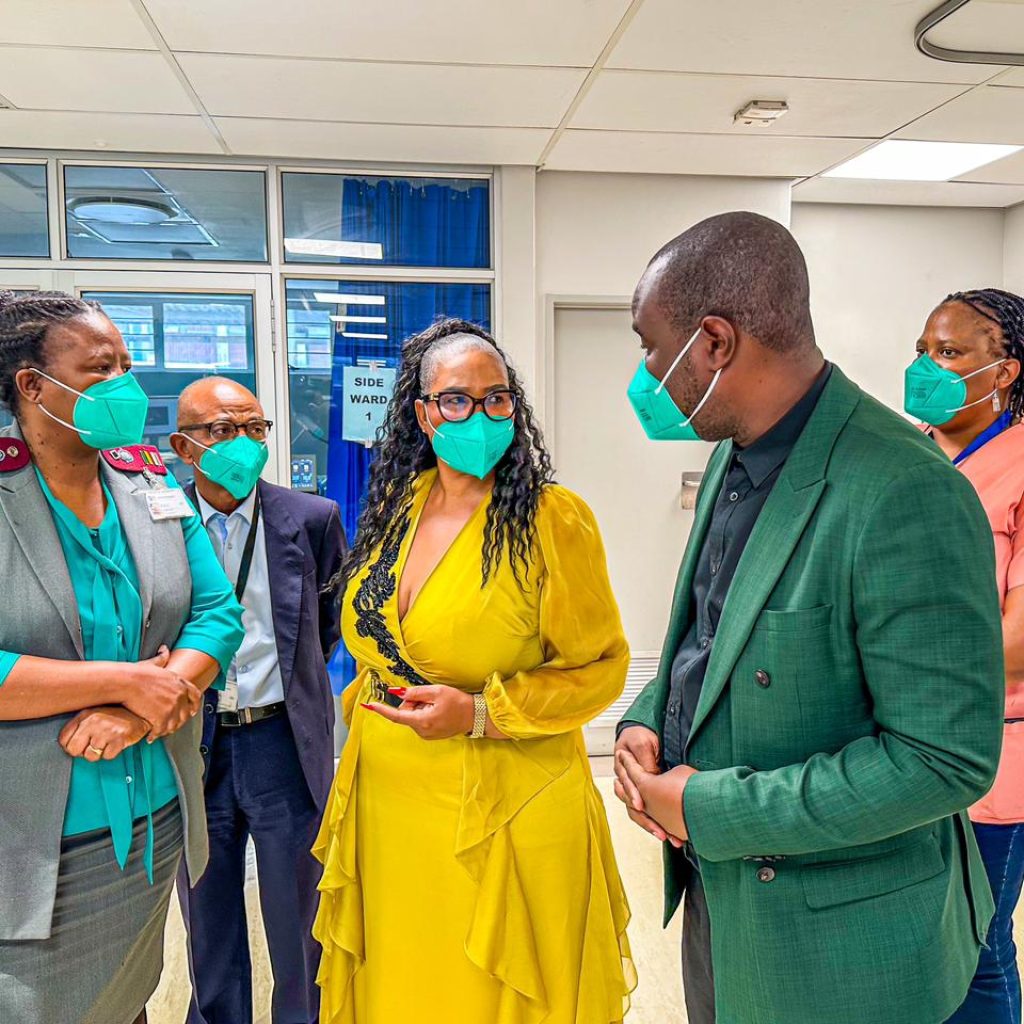
Speaking at Dr George Mukhari Academic Hospital in Ga-Rankuwa, north of Pretoria, Nkomo-Ralehoko said the investment was part of a push to modernise Gauteng’s healthcare system, as promised by Premier Panyaza Lesufi in his state of the province address.
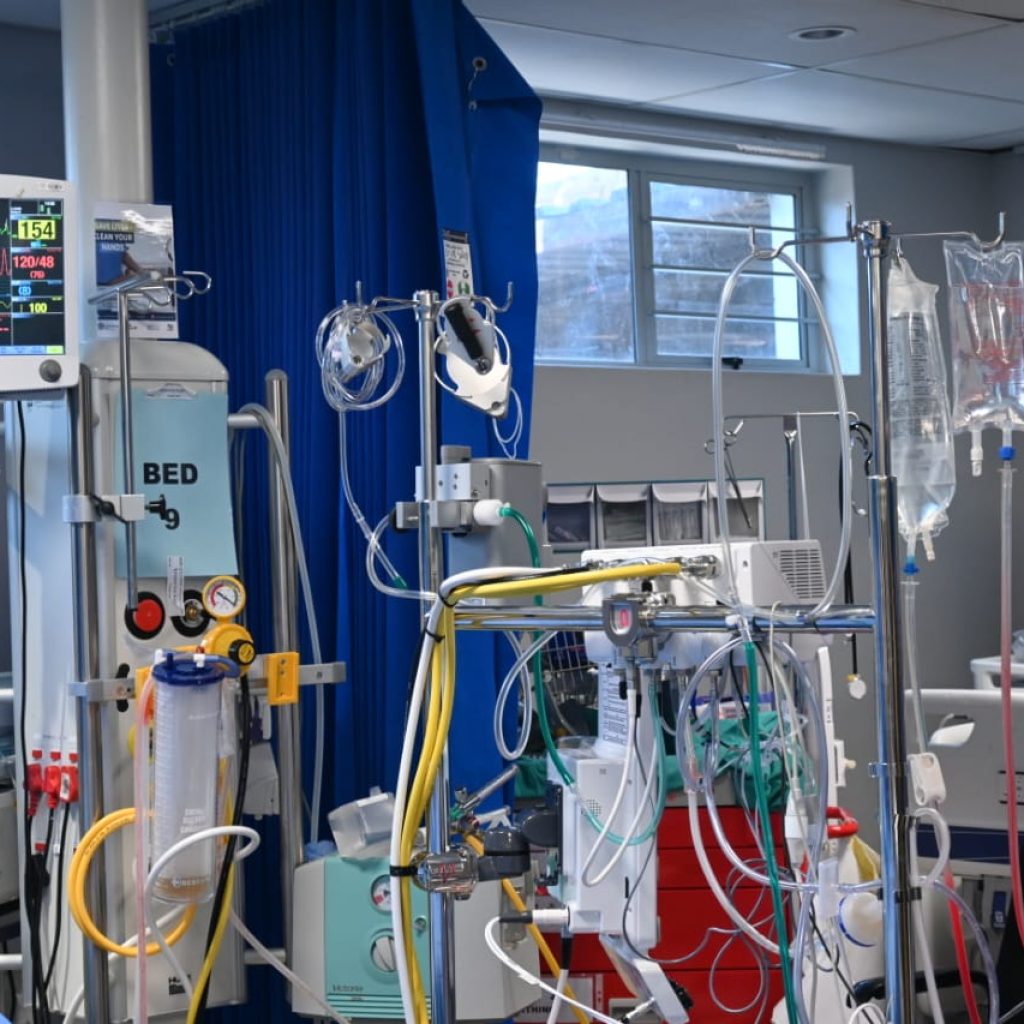
“The new state-of-the-art equipment we unveil today is more than just machines; they are lifelines for our people. They will allow us to perform critical life-saving procedures locally, reducing referrals, saving time and offering care when and where it is needed most,” she said.
The MEC did not provide cost details, but said the upgrades were part of upgrades that started earlier in 2025.
“When I came here in April this year, we laid the foundation for meaningful change with new ICU beds, an MRI scanner, a CT scanner, and a Cath Lab,” she said.
Dr George Mukhari, the second-largest hospital in the country after Chris Hani Baragwanath Academic Hospital, should match its scale with quality, she said.
She said the latest equipment would “dramatically improve diagnostic accuracy, reduce waiting times, and greatly enhance patient outcome.”
The MEC said partnerships with companies and sponsors were important to sustain hospital modernisation.
“We are grateful to our partners, the private sector, sponsors, and other stakeholders, like Tecmed whose collaboration and support make these investments possible. Public Private Partnerships are no longer optional; they are essential, especially given the tight budget constraints we face,” she said.
“It is true that our budget is limited, but with smart partnerships, strategic planning, and solid commitment, we continue to deliver, because to us, every life matters.”
Nkomo-Ralehoko told hospital staff to match the technology with compassionate care.
“Today you are entrusted with powerful tools, but tools alone do not heal people, people heal people,” she said.
INSIDE METROS