

By Thapelo Molefe
The City of Johannesburg is set to update residents on Monday about the third and final phase of Rand Water’s planned maintenance programme, as concerns over water safety intensify following reports of contaminated tap water in parts of the inner city.
Phase 3 of the maintenance is scheduled to take place from Tuesday to Thursday and is expected to affect water pressure and supply in several areas.
The city says residents will be informed about the scope of the work, the potential impact on supply systems, and the contingency measures in place to limit disruption.
The planned maintenance comes against the backdrop of a contamination alert issued by Johannesburg Water after residents in parts of the CBD reported a strong and unusual smell coming from their tap water. Affected areas include Albertina Sisulu Road and surrounding streets, including 6th, 7th, 8th, 9th avenues and 10th Street.
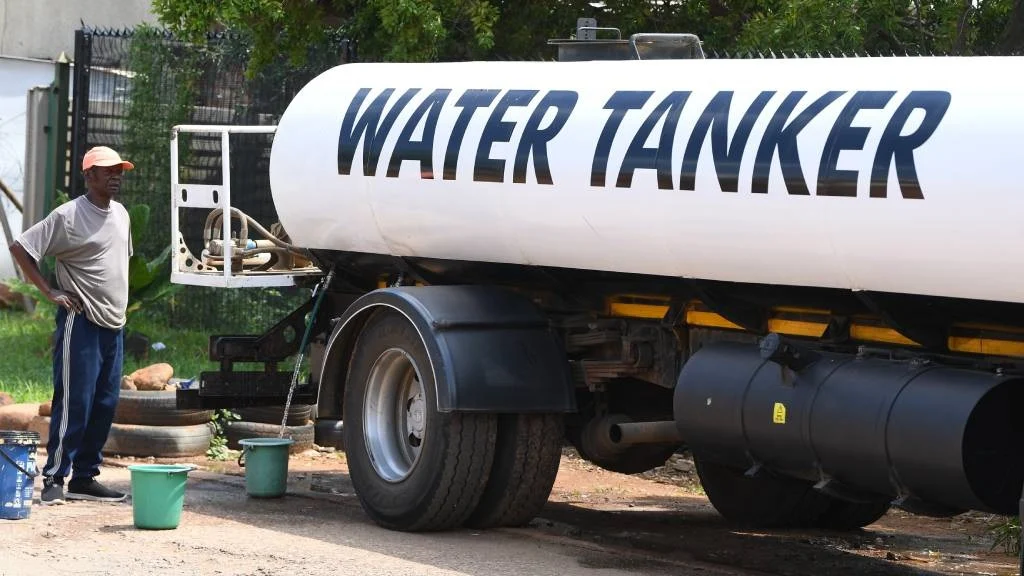
The utility isolated the water supply in the affected streets and deployed water tankers while laboratory tests were conducted to determine the source and extent of the problem.
WaterCAN has warned that the incident reflects systemic failures in the provision of potable water.
WaterCAN communications manager Jonathan Erasmus said independent water testing conducted by the organisation late last year revealed widespread contamination.
“Generally speaking, we’ve got a water crisis in our rivers, dams and several taps,” Erasmus said.
“We found a bacterial load very high across these spectrums. This impacts health and confidence in the water system.”
Erasmus said while Johannesburg Water’s response to the latest alert was appropriate, the incident highlighted the fragility of the water supply system.
“This latest incident emphasises the point that we do have a crisis in provision of potable water,” he said, adding that the problem extended beyond Johannesburg.
“It highlights the crisis that we are facing, not just in Johannesburg, but countrywide, with the provision of clean, potable water.”
Residents in affected areas have been urged not to consume tap water until further notice. Erasmus said boiling water remains the most effective immediate safeguard against potential bacterial contamination.
“Boil the water. That’s the quickest, surest way to get rid of any kind of bacteria that may be sitting in there,” he said.
He also urged residents to rely on their senses while the issue persists.
“If it smells funny, if it looks funny, it probably is funny,” Erasmus said.
Beyond the immediate alert, Erasmus pointed to ageing infrastructure and lack of accountability as key drivers of recurring water crises.
He cited a national maintenance backlog estimated at hundreds of billions of rand, warning that without transparency and consequences for failure, contamination incidents would continue.
INSIDE METROS