
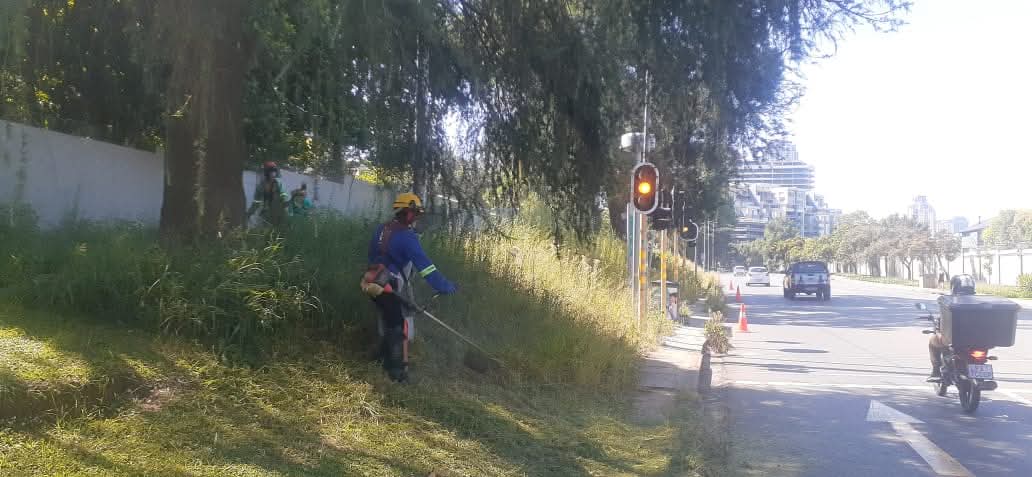
 Mega Blitz maintenance programme is underway in Johannesburg South as part of efforts to restore and maintain public green spaces.)
By Charmaine Ndlela
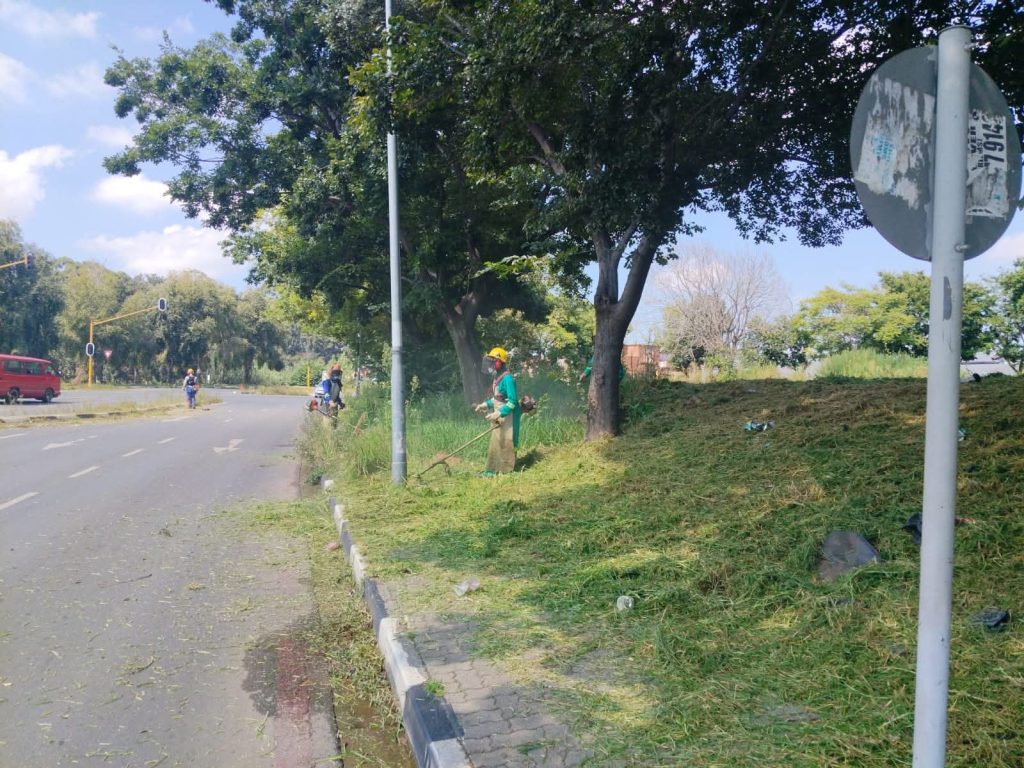
The Johannesburg City Parks and Zoo (JCPZ) Mega Blitz maintenance programme is underway in Johannesburg South as part of efforts to restore and maintain public green spaces.
The initiative – a weekly programme – was launched on 28 January and is expected to run until March 2026.
ALSO READ: DA takes two Western Cape wards from ANC; ActionSA gains in Mogale City
A total of 130 employees from all seven JCPZ regions have been deployed for the programme. Current activities include grass cutting, tree pruning, removal of dead and fallen trees, and the control of invasive alien vegetation.
According to JCPZ community development spokesperson Kevin Reddy, the programme “is a proactive response to seasonal growth, heavy rainfall, and storm damage, while also strengthening routine maintenance to restore dignity, safety, and pride in our public spaces”.
Reddy told Inside Metros that the accelerated maintenance of Johannesburg’s parks and open spaces forms part of the city’s service delivery improvement plan.
“It is also aligned with the City’s priorities to enhance environmental quality and ensure that public spaces are safe, well-kept, and welcoming.”
Reddy said improved maintenance plays a direct role in enhancing safety and community use of public spaces.
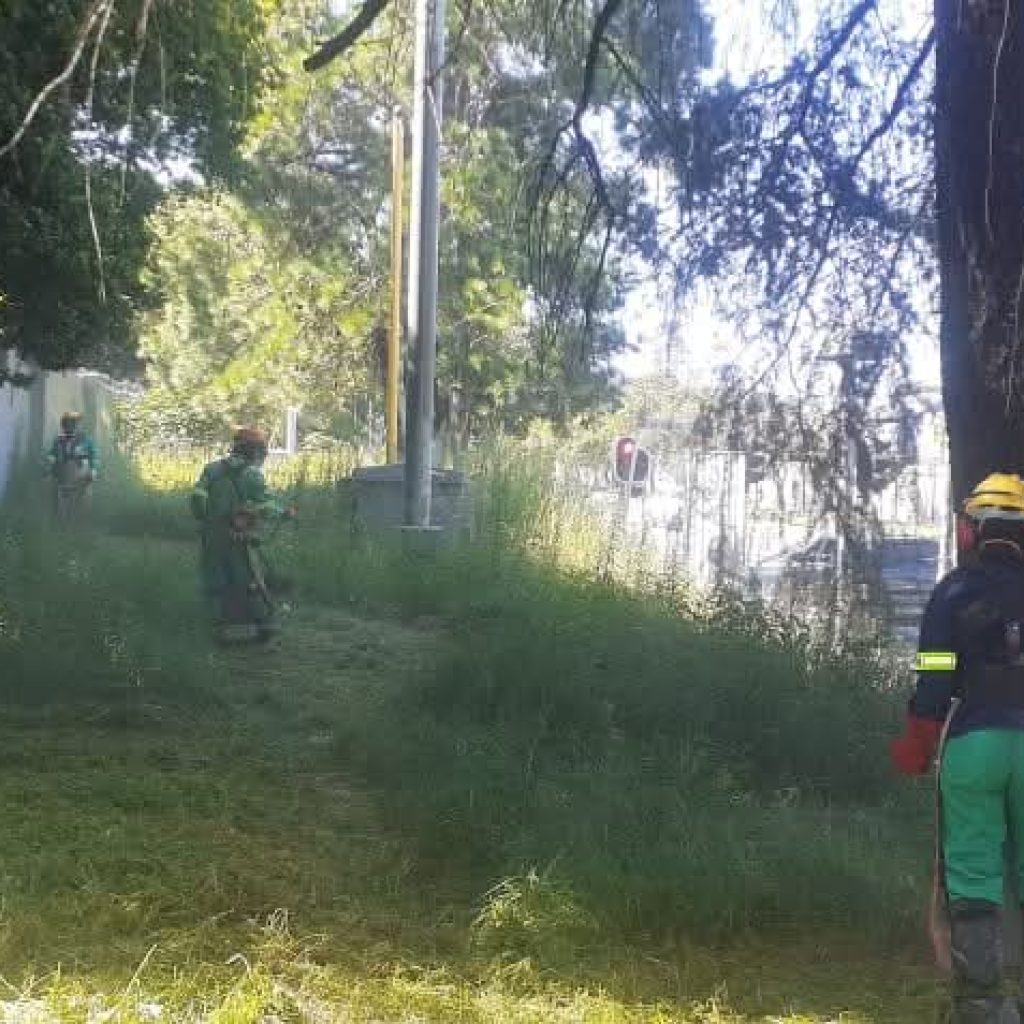
“By ramping up routine activities such as grass cutting, pruning, debris removal, and clearing overgrowth, we reduce environmental conditions that can harbour crime or discourage legitimate use of parks,” he said.
“Cleaner, well-managed spaces attract more regular use, discourage dumping and illicit activities, and make neighbourhoods feel more orderly and secure.”
While a formal list of areas targeted under the latest green maintenance drive has not yet been released, Reddy said the programme includes both flagship parks and neighbourhood green spaces across multiple regions, particularly those affected by heavy rainfall, flooding, or deferred maintenance.
ALSO READ: Midrand residents take to the streets after week-long water outage
“Different categories of parks have different maintenance standards and cycles,” Reddy said. “These are managed through formal horticultural schedules to ensure consistency and accountability across the city.”
Community participation remains a key pillar of Johannesburg’s greening strategy, Reddy said, with residents, NGOs, and local organisations supporting initiatives such as tree planting drives, Adopt-a-Park programmes, environmental education in schools, and the stewardship of community food gardens.
“Community involvement supports long-term care of public spaces and fosters a sense of ownership, while complementing the City’s formal maintenance programmes,” he said.
Reddy added that the accelerated maintenance initiative also supports Johannesburg’s broader environmental sustainability and urban greening vision, including expanding the urban forest, improving biodiversity, increasing green cover, and improving access to quality public open spaces for all residents.
INSIDE METROS