

By Thebe Mabanga
Government is reviewing the Free Basic Electricity (FBE) programme, with plans to increase the current allocation of 50kWh per household per month and extend access to more qualifying households.
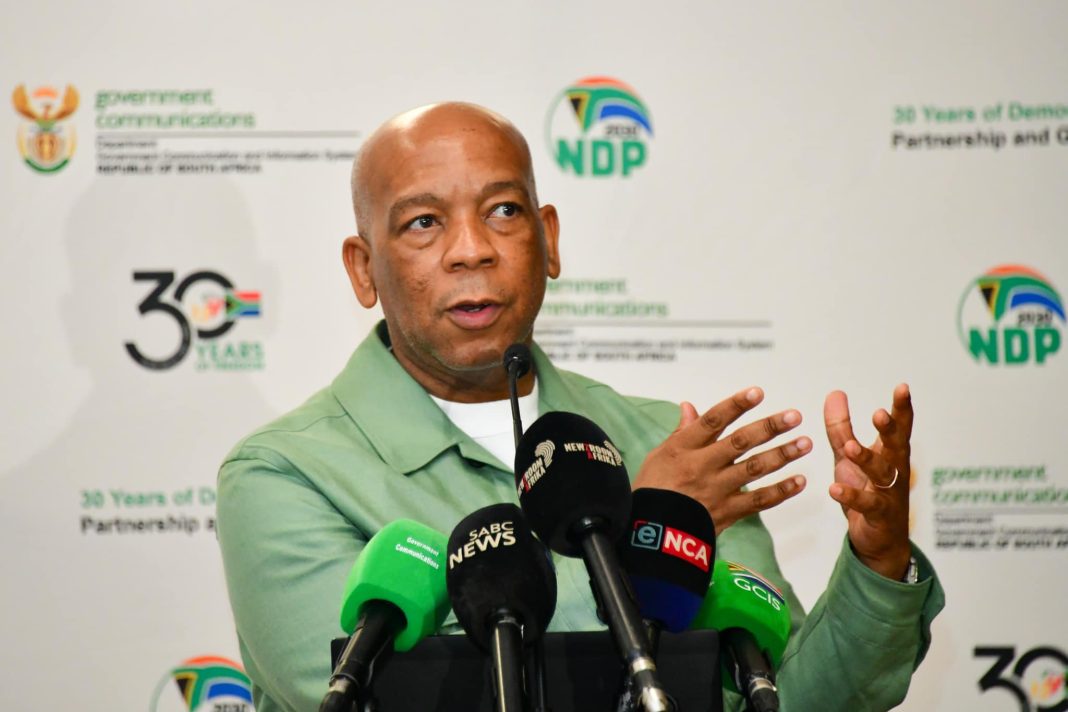
Electricity Minister Kgosientsho Ramokgopa revealed the plans in a written reply to a parliamentary question on Wednesday, noting that the programme — introduced more than two decades ago — no longer reflects current household energy needs.
Ramokgopa said consumption patterns among poor and indigent households have evolved over the past 23 years, with more households now owning electrical appliances, necessitating a revision of the allocation.
Consultations are currently underway to determine an appropriate new threshold.
He added that government aims to expand the programme without placing additional strain on the fiscus through higher budget allocations or steep tariff increases for paying consumers, a balance that remains difficult to achieve.
To contain costs, government is exploring changes to the energy mix, including the use of solar and photovoltaic (PV) systems to supply electricity to indigent households.
Pilot projects are already underway in villages such as Madavha near Musina in Limpopo.
Ramokgopa disclosed that of the estimated 2.1 million eligible households, only about 400,000 currently receive FBE.
The shortfall is attributed to limited grid connectivity and administrative inefficiencies at municipal level.
To address this, government plans to introduce smart meters that will allow free electricity allocations to be loaded remotely and directly to qualifying households.
The minister also acknowledged inconsistencies in how municipalities define indigent households, resulting in uneven access to the benefit.
“As part of the review, both the allocation and the definition of indigent households will need to be standardised,” Ramokgopa said.
He maintained that there would be no increased reliance on cross-subsidisation, noting that electricity tariffs are primarily driven by the cost of energy generation, currently dominated by coal, but increasingly incorporating renewable sources.
INSIDE METROS