
By Akani Nkuna
The Health Ombud has found serious lapses in clinical care, record-keeping, and hospital management in two separate cases in which patients died at Wits Donald Gordon Medical Centre in Johannesburg and Pietersburg Provincial Tertiary Hospital in Limpopo.
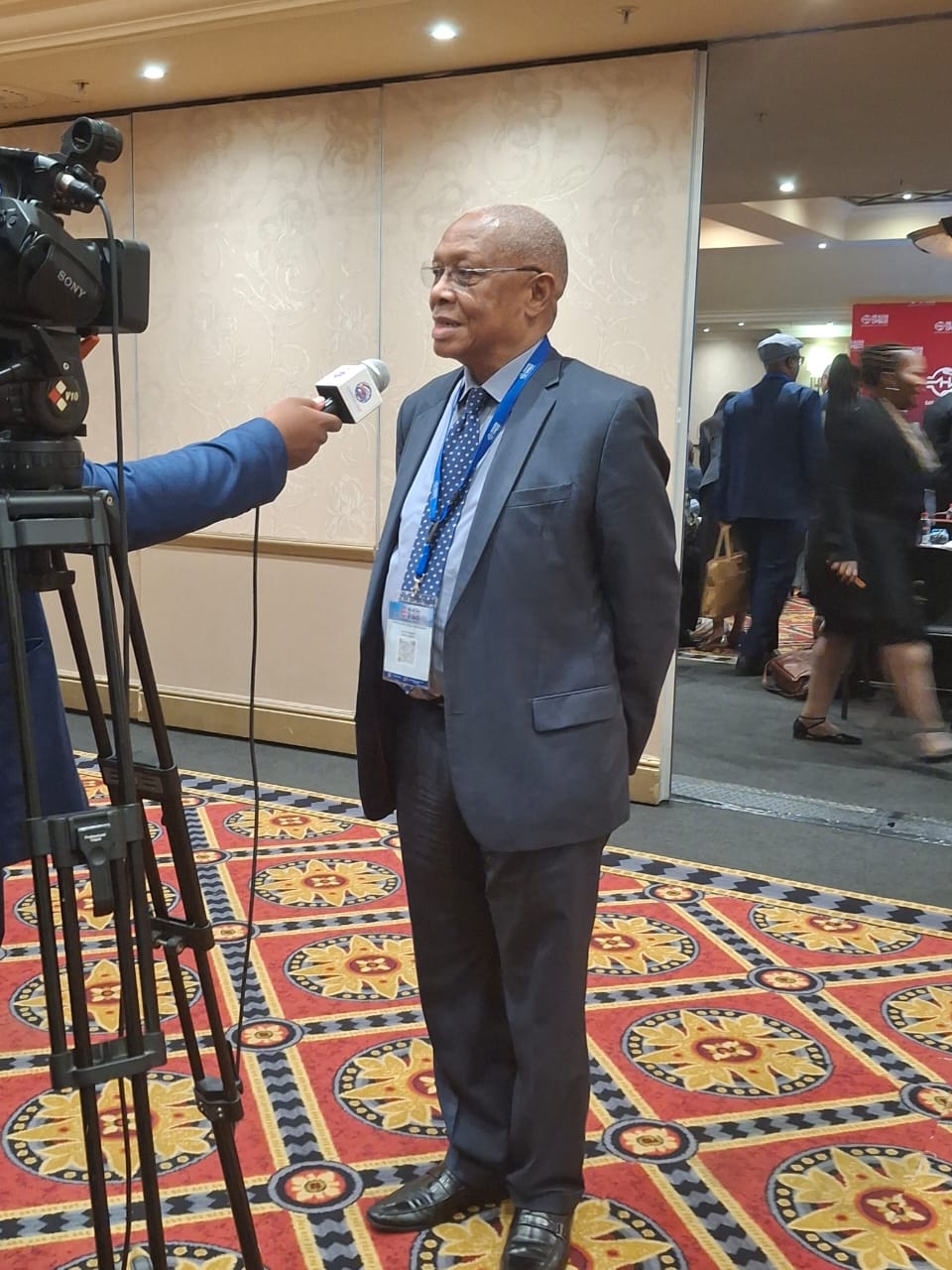
Releasing his findings on Wednesday, Health Ombud Professor Taole Mokoena said the investigations were conducted in terms of Section 81A(11) of the National Health Amendment Act after complaints from the families of Dr Edward Mabubula and Mr Pitsi Eliphuz Ramphele.
The first complaint was lodged on 20 May 2021 by Dr Mabubula’s wife, Irene Tebogo Mabubula, over the care her husband received at Wits Donald Gordon Medical Centre’s oncology ward.
Dr Mabubula, who had metastatic colon cancer, a history of pulmonary TB, lung resection for metastases and hypertension, attended the ward on 27 March 2021 for removal of an ambulatory chemotherapy pump inserted two days earlier.
According to the findings, he was subjected to routine COVID-19 screening but “no baseline clinical assessment or essential clinical information was recorded before the procedure”.
The chemo-port was flushed while he was seated; when he stood up to put on his shirt, he suddenly felt unwell, collapsed and required emergency care. He was resuscitated, admitted to the medical intensive care unit and remained there until his death on 3 June 2021.
A brain CT scan showed “a right frontal cerebral air embolism”.
Independent experts commissioned by the Ombud confirmed that the port-flushing procedure resulted in cerebral air embolism “through retrograde venous flow of air”, described as “a very rare but well documented consequence of manipulation of indwelling central vein catheters”.
The report found that his condition deteriorated due to a combination of chemo-resistant advanced cancer, reduced lung capacity after previous surgery, neurological damage from the air embolism and respiratory infection. His certified cause of death was natural, with respiratory failure the immediate cause.
However, the Ombud found serious deficiencies in how the hospital handled oncology port removals.
WDGMC had “a longstanding 15-year informal courtesy practice for removing venous port needles after chemotherapy, carried out outside regular hours where no patient files were created or retrieved to document clinical status and procedures … ostensibly to save patients from payment of hospital fees”.
This practice deviated from regulations on patient records and from the hospital’s own standard operating procedure, which recognised air embolism as a possible complication. “The lack of documentation constitutes a breach of duty under the National Health Act, which requires the maintenance of proper health records for all users of health services,” the report said.
The Ombud recommended that WDGMC develop and implement a formal protocol for documenting oncology outpatient port-needle removals, including creation of a dedicated medical file and full clinical notes, and that proof of implementation be provided. He also directed that mediation between hospital management and Mrs Mabubula take place within four months.
With those steps, “the matter is now considered closed, as it has been thoroughly investigated and finalised in accordance with Regulation 41(1)(a)(iv). The Office of the Health Ombud will take no further action”.
Systemic failures in Limpopo death
The second investigation concerned the death of 36-year-old Pitsi Eliphuz Ramphele at Pietersburg Provincial Tertiary Hospital (PPTH) after he was referred from Rethabile Community Health Centre (RCHC) on 26 November 2024 and diagnosed with adhesive small bowel obstruction. He died on 28 November 2024 while awaiting surgery.
“At the heart of this inquiry is a profound tragedy of death of a patient that also exposes systemic failures in our public health system,” the report said, citing Section 27(1)(a) of the Constitution: “Everyone has the right to have access to healthcare services.”
The complaint was lodged by his aunt, struggle veteran and medical doctor Mamphela Ramphele, on 27 March 2025, alleging medical negligence.
The investigation found multiple instances of substandard care, regulatory non-compliance and professional misconduct at both facilities.
At Rethabile, Ramphele waited nearly four hours — from 08:24 to 12:19 — before a patient file was opened because of staff shortages, limited equipment and poor administration. Waiting times were not displayed, in breach of Regulation 22 of the Norms and Standards.
The triage area “lacked essential medical equipment”, and only enrolled nursing assistants — not authorised to triage — were deployed there.
Nurses “were unfamiliar with the South African Triage Scale”, a critical tool for prioritising patients. After being assessed by nurses at 15:30 and referred to a doctor, “all doctors left before seeing him” and security guards told patients to go home.
The allegations were substantiated.
The Ombud recommended recruiting more administrative staff and equipment, retraining nurses on triage systems, ensuring only qualified staff triage patients, and tightening monitoring of doctor attendance, including biometric systems.
He called for implicated doctors and nurses to be referred to the Health Professions Council of South Africa and the South African Nursing Council.
At Pietersburg Hospital, triage was again not properly performed and enrolled nursing assistants worked without supervision from professional nurses, contrary to their scope of practice. Once admitted on non-operative management for bowel obstruction, Mr Ramphele “spent 21 hours without review by any doctor”.
When his condition deteriorated, intravenous access was lost and staff struggled to re-insert a line. Clinical and radiological evidence “clearly indicated that surgery was required, yet this was not done”.
“The lack of monitoring and delayed surgical intervention directly contributed to the patient’s death,” the Ombud found.
The hospital also denied the family’s request for a post-mortem on the grounds that it did not offer clinical post-mortem services, forcing them to turn to the private sector.
Falsified clinical records were uncovered at Rethabile, alongside equipment shortages, inadequate waiting areas, lack of supervision of interns and registrars, and extended acting appointments in management posts without pay.
The report ordered the Limpopo health department and affected facilities to set up a task team within a month to implement the recommendations, improve infrastructure and equipment, fill acting management posts within six months, conduct regular clinical audits and mortality reviews, and subject named nurses to disciplinary inquiries.
Mokoena said: “The tragic death of Mr Pitsi Ramphele was preventable. It reflects not only individual lapses but also systemic weaknesses that permeate most parts of our public health system.”
He added that “clinical competence, accountability, and above all ethical conduct are non-negotiable pillars of patient safety”, and that the recommendations are “not primarily meant to be punitive but corrective in nature, aimed at rebuilding trust, ensuring compliance, and safeguarding quality and safety of our health system as well as the dignity of every patient”.
The Minister of Health, Dr Aaron Motsoaledi, said that the cases could not be attributed to a lack of health facilities or shortage of staff.
The cases reflected a lack of willingness to serve patients ethically, he said.
The minister called for harsh penalties to be instituted, especially for the healthcare providers involved in the case of Ramphele.
“We need harsh consequence management for people to know that they should not do things like this. It needs very serious punitive measures for other people to see that they should not do something like this. Not ever, to any other patient,” Motsoaledi said.
INSIDE METROS