
By Levy Masiteng
The National Sea Rescue Institute (NSRI) has issued a coastal safety warning for a full moon spring tide peaking on Thursday (today), saying that hazardous tidal conditions are expected to persist in the days following the Easter holiday weekend.
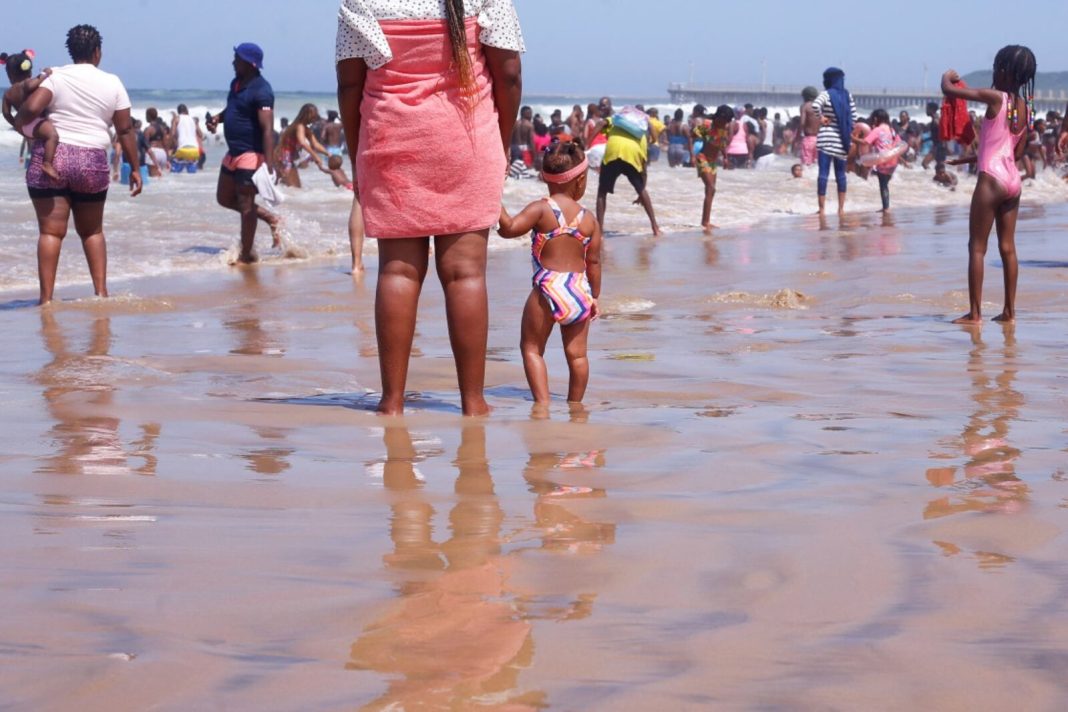
The advisory comes as thousands of holidaymakers are expected to remain along South Africa’s coastlines after Easter.
“This full moon spring tide will result in dramatically increased tidal ranges, creating potentially dangerous conditions for beachgoers, anglers and coastal hikers,” the NSRI said in a statement.
ALSO READ: Joburg beefs up Easter safety plans
Among the key risks are powerful rip currents, stronger than usual tidal flows and rapidly rising water levels that could catch bathers off guard.
Beaches are expected to experience higher high tides that push water further inland, while lower low tides will expose more seabed than usual.
The NSRI warned that rip currents — one of the leading causes of drowning — are likely to intensify, particularly during outgoing tides in the late afternoon and early evening.
The organisation said beachgoers should be aware of narrow inlets and coastal passages because they could see the formation of rip tides.
“Spring tides can significantly increase the strength of currents, making swimming conditions far more hazardous, especially for those unfamiliar with the ocean,” the NSRI said.
Hikers have also been urged to be vigilant on coastal routes and walking paths, as the routes may also become unsafe or completely inaccessible during high tide, particularly later in the day.
The NSRI said fishing from rocks or cliffs is dangerous as shoreline anglers face additional danger from unexpected waves surging beyond normal safe zones.
The organisation offered several safety measures.
ALSO READ: PSC warns unpaid state invoices crippling small businesses, deepening governance crisis
Beachgoers are urged to swim only at lifeguard-protected beaches and to stay between the flags, while carrying communication devices and keeping them fully charged.
Visitors are encouraged to check daily weather forecasts from the South African Weather Service (SAWS) and consult tide tables before heading out.
“Always be aware of your surroundings and avoid taking unnecessary risks. The ocean can change very quickly during spring tides,” the NSRI said.
It said that people should avoid drinking alcohol before swimming, closely supervise children, and remaining cautious around inland water bodies such as rivers and dams, particularly after heavy rains.
It encouraged the public to use its SafeTRX mobile app to log trips and enable quick emergency response if needed.
“The effects of spring tides can last several days. By taking simple precautions and staying informed, we can all enjoy the coastline safely,” the NSRI said.
INSIDE METROS