By Thapelo Molefe
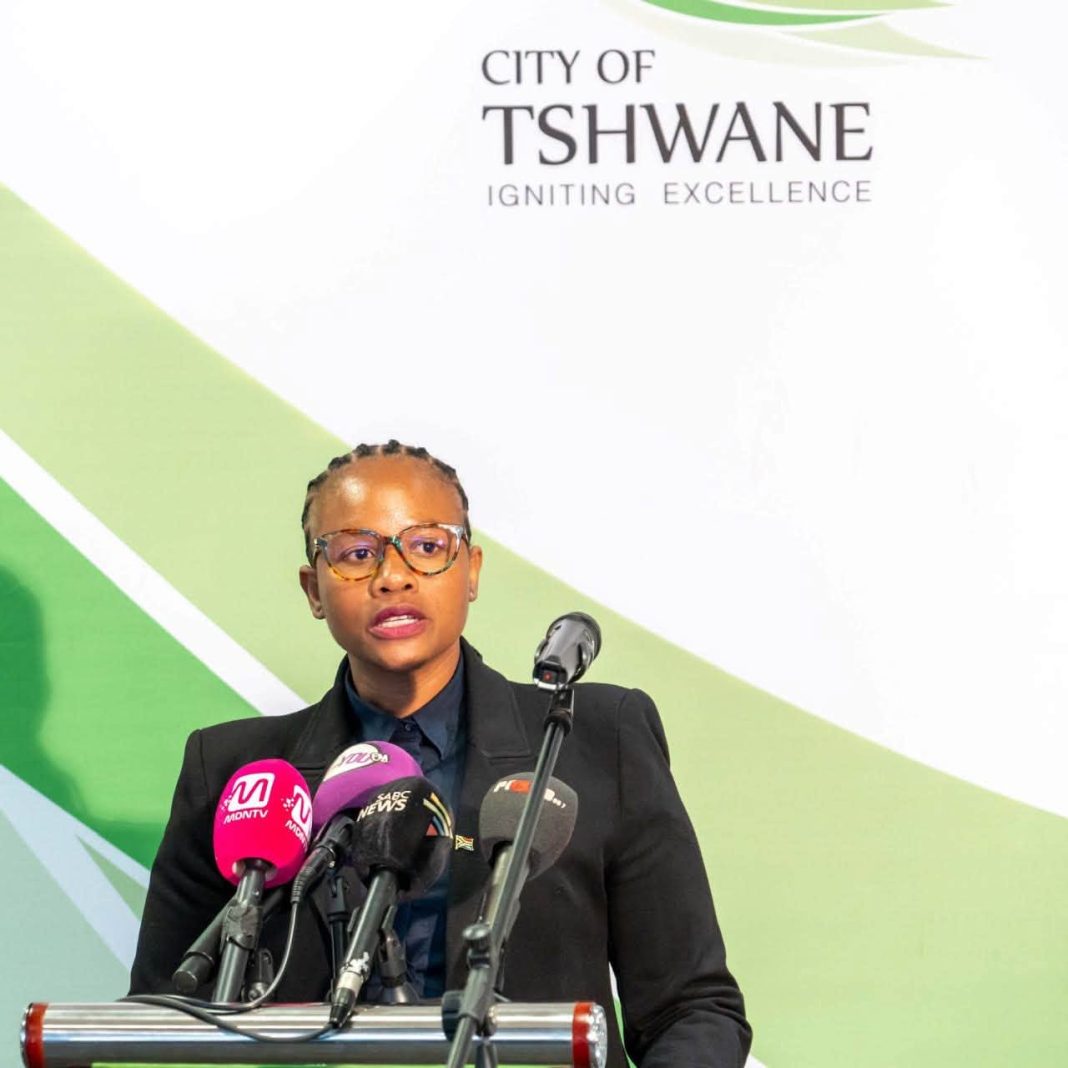
Democratic Alliance (DA) Tshwane caucus leader Cilliers Brink has criticised outgoing mayor Nasiphi Moya’s administration, accusing it of worsening the capital’s infrastructure problems while increasing spending on contractors.
In a Facebook post on Monday responding to Moya’s end-of-term report, Brink said Tshwane was in the worst financial position among the country’s metropolitan municipalities, citing a RatingsAfrika assessment.
He accused Moya of benefiting from financial decisions made by the previous DA-led coalition before handing control of the city back to the African National Congress (ANC).
“Moya will be remembered as the ActionSA politician who handed control of the City over to the same ANC comrades, cadres and tenderpreurs that nearly destroyed the City in the first place,” Brink said.
ALSO READ: Eskom municipal debt surges to R122bn despite years of interventions
The criticism comes after Moya and her mayoral committee presented a report on the coalition’s two-year tenure, highlighting improvements in cash reserves, revenue collection, healthcare services and infrastructure projects.
Moya said the administration had inherited accumulated debt of R13 billion, including R6.7 billion owed to Eskom, as well as weak cash reserves, poor revenue recovery and years of inadequate infrastructure maintenance.
“The municipality was struggling to meet its financial obligations, while inadequate cash reserves and weak revenue recovery limited its ability to maintain infrastructure and deliver services,” she said.
Deputy mayor Eugene Modise said the city had improved its financial position, with cash reserves increasing from approximately R835 million when the coalition took office to about R1.8 billion after payroll by July 2026.
He also said revenue collections reached approximately R43.9 billion during the 2025/26 financial year, representing 98% of the funding plan.
However, Brink disputed the administration’s account of its financial and service delivery record, saying that budget decisions had undermined infrastructure maintenance.
He said that four months after taking office, Moya’s administration reduced frontline service funding and cut critical infrastructure programmes while allocating more money to water tankers and security contracts.
ALSO READ: 50 SA beaches get blue flag status
According to Brink, spending on contracted services increased by R603 million.
He also referred to investigative reports on R777 million spent on water tankers, claiming information provided to the DA indicated that less than half of the expenditure could be matched to purchase orders.
Brink said water losses had increased from approximately 32% during his tenure as mayor to 41% under Moya, arguing that the losses deprived residents of reliable supplies while reducing municipal revenue.
He further criticised the administration’s response to electricity outages, citing reports of prolonged interruptions and the recent problems at Waltloo and Njala.
Brink said some residents had remained without electricity for 14 days, and questioned whether previous repairs and upgrades had adequately addressed weaknesses in the electricity network.
He also raised concerns about accountability in the municipality, pointing to allegations involving Modise and chief financial officer Gareth Mnisi.
Brink said Modise had been sanctioned over an undeclared interest in security company Triotic Protection Services, which benefited from city contracts, but remained responsible for the city’s finances.
He also criticised the decision by Moya, ActionSA, the ANC and the Economic Freedom Fighters to classify alleged misconduct by Mnisi as “less serious”. The DA is challenging that decision in court, according to Brink.
Moya’s administration has presented its report as an account of progress made despite longstanding financial and infrastructure challenges.
The mayor said the coalition government, formed in October 2024 after the previous DA/ActionSA arrangement was ousted, had faced significant difficulties while trying to address problems accumulated over many years.
“With just two years remaining in the municipal term, political parties with different histories, perspectives and priorities came together to form a new multiparty coalition government,” she said.
“Behind every decision we make are nearly 4-million residents who depend, in one way or another, on the services this municipality provides.”
Brink said Tshwane needed a DA majority to protect infrastructure funding, appoint professionals and strengthen accountability.