By Thapelo Molefe
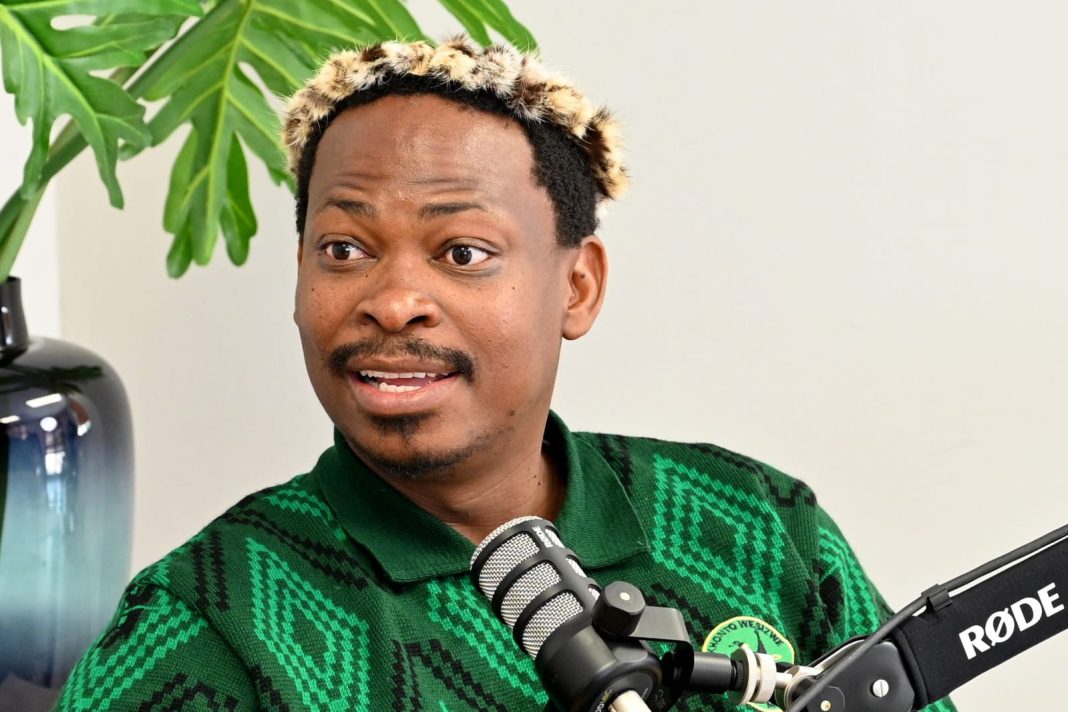
Johannesburg’s service delivery failures, financial crisis and unstable coalitions all point to the same problem: a leadership crisis that must be addressed before residents are asked to pay more for municipal services, says uMkhonto weSizwe Party mayoral candidate Bongani Baloyi.
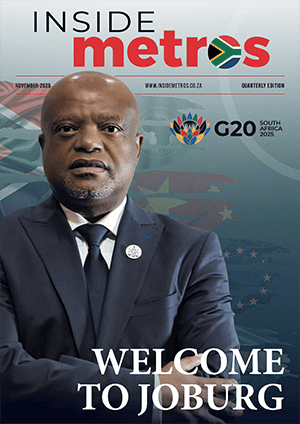
Speaking on the Inside Metros podcast, the former Midvaal mayor outlined plans to improve financial management, tackle corruption and redirect spending towards infrastructure and basic services if elected to lead the city.
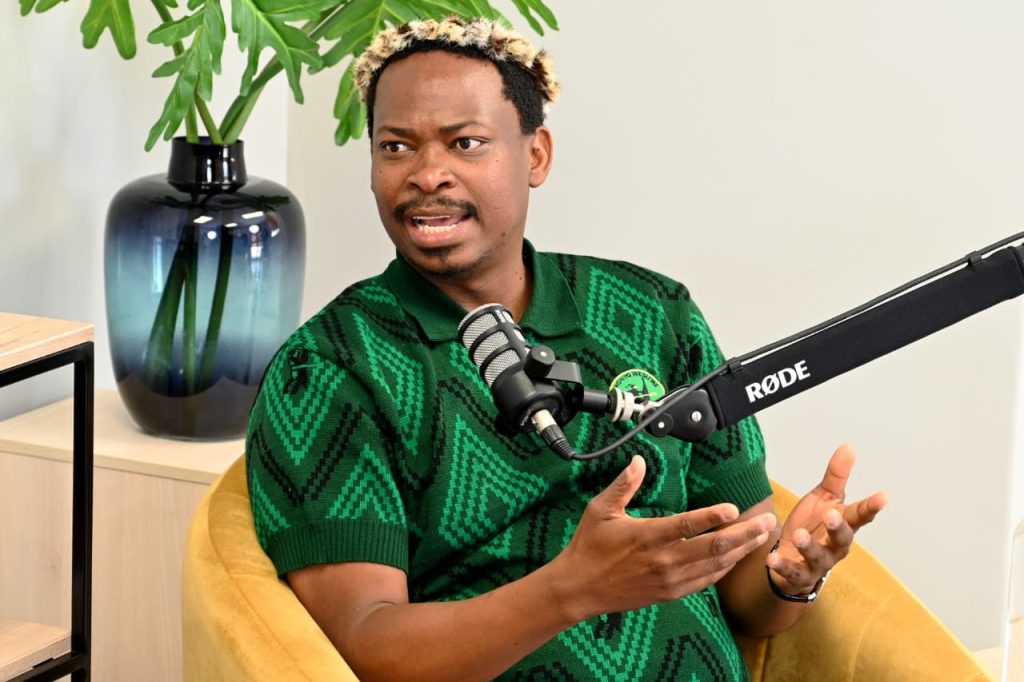
Lack of service delivery is a leadership problem. Liquidity issue is a leadership problem. Stability of coalitions is a leadership problem,” he said.
Baloyi, a former Midvaal mayor, said his first 100 days in office will focus on restoring accountability, reviewing the city’s adjustment budget and directing more money towards public services and infrastructure maintenance.
He proposed involving communities in practical work such as fixing potholes, cleaning streets and cutting grass, while strengthening the city’s workforce and addressing corruption.
On electricity, Baloyi said the MKP wants townships such as Soweto and Diepsloot to generate more of their own power, with infrastructure that will allow households to sell electricity back to the grid.
He also proposed water reclamation projects to treat and reuse wastewater, reducing the city’s dependence on bulk water purchases.
The city needed to improve revenue collection by addressing billing problems, recovering unpaid municipal accounts and tackling corruption linked to hijacked buildings in the inner city, he said.
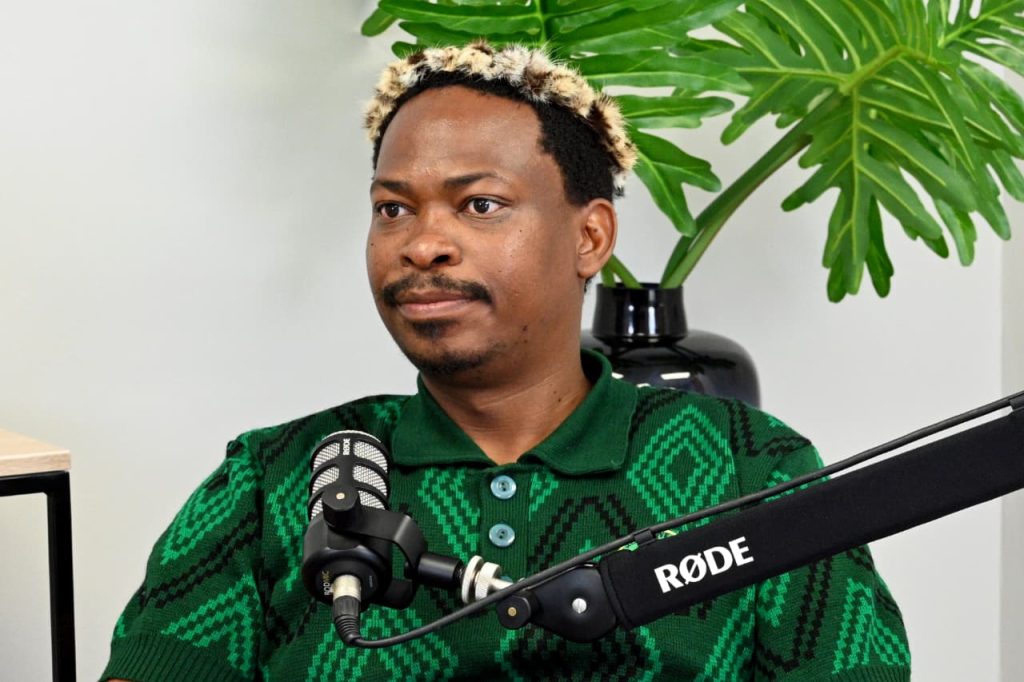
“Before we pass the burden on the residents, we must ensure that everyone who is not paying must be paying,” Baloyi said.
He said residents would be more willing to pay for municipal services if they received reliable services at affordable rates.
Baloyi said Johannesburg also needs a new vision for the inner city, making it safer and more affordable for young people while ensuring residents benefit from the city’s economic opportunities.
He said his experience in Midvaal had taught him that good governance depended on consistent performance, accountability and planning for the future.
What the podcast here.