By Bhekizenzo Zonele
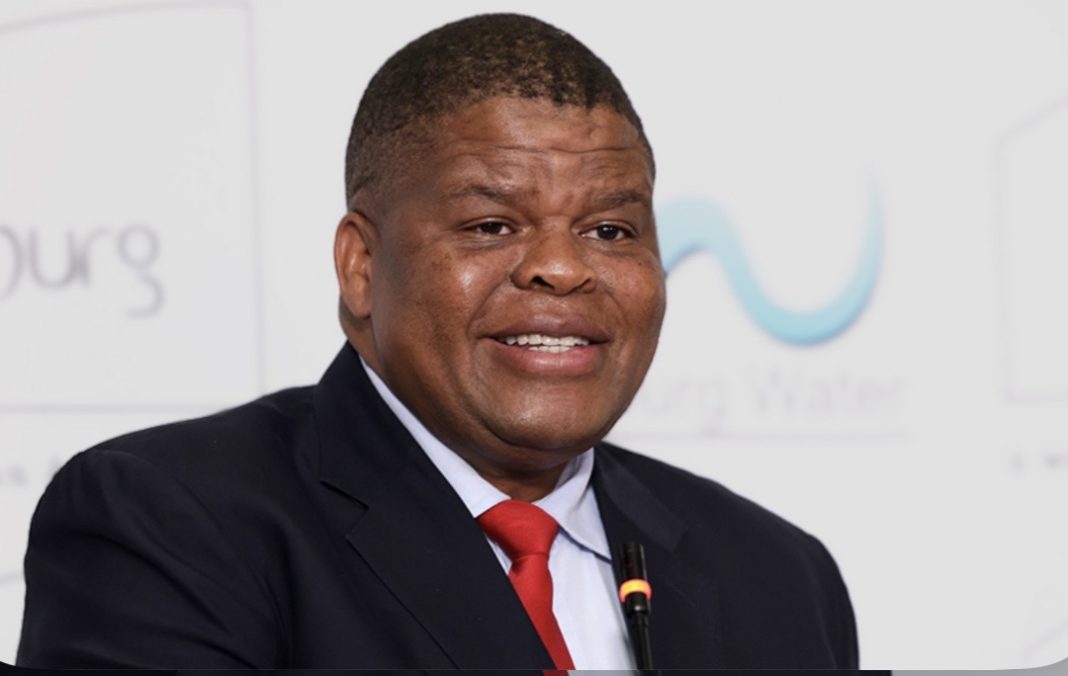
Deputy Minister of Water and Sanitation David Mahlobo has dismissed claims that Rand Water deliberately restricted water supplies to communities during the recent local government elections, as pressure mounts on municipalities and the bulk water utility over persistent shortages.
Addressing Parliament’s Portfolio Committee on Water and Sanitation on Tuesday, Mahlobo defended Rand Water against accusations that it had deliberately throttled supplies, while calling for closer co-operation between water boards and municipalities.
“Recently we had elections and there were strong views that Rand Water has been throttling people, which is not true,” Mahlobo said.
His comments come amid growing concerns over water supply disruptions affecting communities, particularly in Gauteng, where residents have repeatedly complained about unreliable access to water.
In parts of Johannesburg, including Westbury, Coronationville and Westdene, residents have endured prolonged water outages, triggering protests and calls for urgent intervention by authorities.
Rand Water supplies bulk water to municipalities, which are responsible for distributing it to households through their own infrastructure.
Mahlobo said water boards were ready to support struggling municipalities in addressing service delivery challenges following the elections.
“Our water boards after these elections are very prepared to support government on the secondary mandate to support local government. The doors are open to them,” he said.
According to Rand Water’s presentation to the committee, four defaulting municipalities owe the utility a combined R5.61 billion.
Emfuleni accounts for about R2.19 billion of the debt, while Merafong City owes R1.66 billion.
The outstanding debt has raised concerns about the financial sustainability of bulk water services and the ability of municipalities to meet their obligations.
The presentation also showed that Johannesburg and Tshwane were consuming water above their temporary targets, while ageing infrastructure, illegal connections and inadequate maintenance continued to undermine municipal distribution networks.
Rand Water further outlined its corporate plan, which proposes about R41 billion in infrastructure investment over five years.
The investment will fund pipeline upgrades, reservoir expansion and improvements to water treatment facilities.
The Department of Water and Sanitation identified improved governance, infrastructure investment and support for municipalities as key priorities for the 2026-2031 period.
The continued disruptions have intensified scrutiny of municipal service delivery and accountability following the local government elections, with residents demanding sustainable solutions to Gauteng’s water crisis.
INSIDE METROS