
By Sihle Mavuso
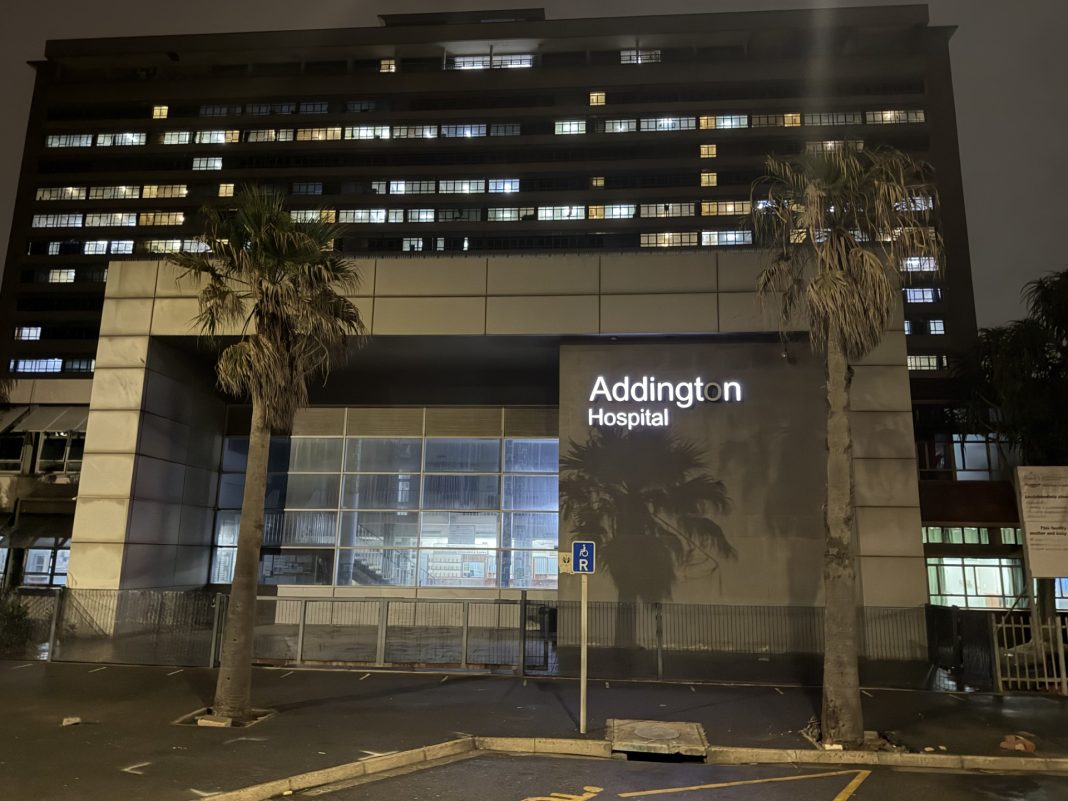
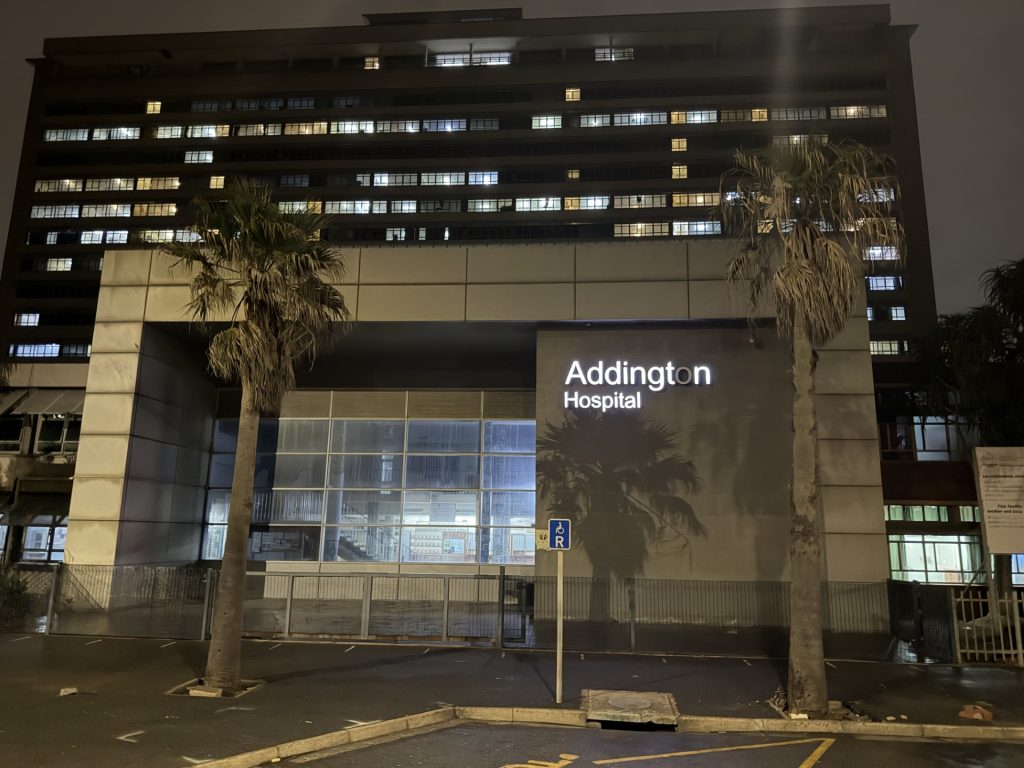
Addington Hospital, one of Durban’s largest and most critical government hospitals, has reportedly run out of some key medicines ahead of the festive season, when patient admissions, mainly for injuries, are expected to surge.
In response to questions about the shortage from Inside Politics, KwaZulu-Natal (KZN) Health spokesperson Ntokozo Maphisa shared a video in which the head of department, Penny Msimango, acknowledged that there was a shortage but said it had yet to reach crisis point.
Msimango said external factors such as shipping delays and international conflicts had exacerbated the shortages.
“Because of wars, free trade is affected; movement of vessels from one country to another gets affected. Inside those vessels there is medication that is meant for us,” Msimango said.
ALSO READ: Man drowns in Soweto flooding, search continues for missing nine-year-old child
The medicine shortages were identified during an oversight visit by the KwaZulu-Natal legislature’s health portfolio committee late last week. The committee visited several coastal hospitals, including Addington and Inkosi Albert Luthuli, to assess their readiness for the festive season.
Dr Imraan Keeka, a member of the committee, blamed the shortages on national supply chain problems.
“During a recent Addington Hospital oversight, Democratic Alliance (DA) members of KwaZulu-Natal’s (KZN) health portfolio committee were assured that the facility was prepared for increased festive-season patient volumes.
“However, officials highlighted shortages, from paracetamol (Panado) and ibuprofen to chemotherapy drugs. These are not minor inconveniences – they have direct consequences for patients’ health and everyday functionality,” Keeka said in a statement.
He said that monitoring by the national Department of Health (DoH) indicated medicine availability of about 90% at primary healthcare clinics, while KZN’s dashboard put the figure at around 92%. Availability can vary by facility type, district and day.
He said that while this placed KZN in a comparatively favourable position, it must not lead to complacency, as a medicine may be generally available but still be unavailable at the facility where a patient needs it.
“Hospitals, serving larger patient volumes, are reportedly under greater pressure. The DoH attributes shortages to national and international supply disruptions, including constraints on raw materials and active pharmaceutical ingredients. Interventions include stock monitoring, redistribution, alternative procurement and clinically appropriate substitutions.
“Facilities have been instructed to record patients affected by stockouts and contact them when supplies arrive but there is no telling when this will be. Implementation must be monitored and patients must never be turned away while an option, where essential and where stock is available, must include stock ‘buy-outs’ from the private sector,” he said.
Keeka said the DA had called for urgent engagement with national stakeholders, including the national DoH and those responsible for clearing pharmaceutical shipments through the Port of Durban.
“It must be established where the supply chain is failing and what is being done to resolve it. We will continue to engage our national colleagues on this while closely monitoring the situation,” Keeka said.
Medicine shortages are not uncommon at KZN’s public hospitals and clinics.
In July, provincial health officials said that supply disruptions had affected medicines including phenobarbital for epilepsy and rifampicin for tuberculosis. The department said it was moving stock between facilities and providing alternatives where possible.
ALSO READ: Protea Glen residents demand urgent intervention after seven days without water
In February, patients on chronic treatment at Wentworth Hospital in Durban told the Southlands Sun they had been unable to get their prescribed monthly medicines.
In August last year, the provincial health department announced that it would conduct unannounced pharmacy inspections across all 69 public hospitals after complaints that some patients had left facilities without their prescribed medicines.