
For the first time in democratic South Africa, local government becomes the nucleus of, and for, societal development. A strategic mechanism mobilised for this purpose is the district-based model.
All the three spheres of government, working in cooperative unison, will now effectively coalesce, in their operations and functions at the country’s 44 districts and eight metropolitan areas.
What does this district-based model to development actually entail and mean in practice? How is it indicative, in the 6th administration led by President Matamela Ramaphosa, of a zeitgeist moment and process towards rebuilding and renewal of the country?
The district model is a response to two structural challenges.
First, the inefficient silo and disjointed functions between national, provincial and local government.
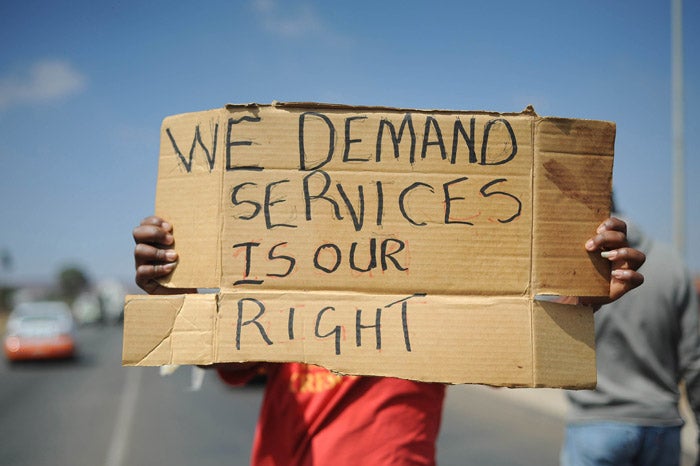
This has resulted, among other factors, in inadequate responses to service delivery challenges, slow reactions to environmental emergencies (like drought, floods) and collapse, in
You’ve reached your free article limit
Subscribe to enjoy unlimited access to trusted journalism. Start your free trial today.
Start your FREE trial nowNeed help? molokom@insideeducation.co.za