By Charmaine Ndlela
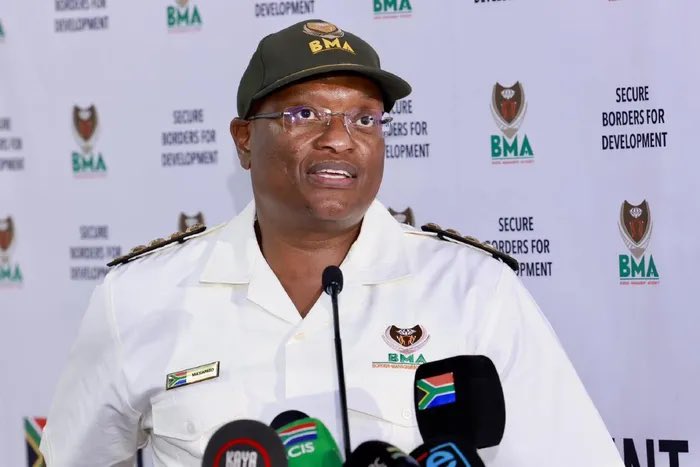
More than 50 immigration officials have been dismissed for corruption at South Africa’s ports of entry, as the Border Management Authority (BMA) launched an anti-corruption campaign at the Maseru Bridge border post.
The Border Management and Immigration Anti-Corruption Forum (BMIACF), under the chairpersonship of the SIU, held the campaign at the Maseru Bridge Port of Entry as they moved to stamp out corruption at borders.
ALSO READ: NFP says rogue elements trying to stop it
The campaign followed the dismissal of the immigration officials implicated in corrupt activities. The BMA said another 38 are under investigation.
BMA Commissioner Dr Michael Masiapato said the dismissals highlighted the need to intensify anti-corruption measures.
“All 50 officers who were dismissed for corruption must now be charged criminally, including under the Prevention and Combating of Organised Crime Act. If convicted, they could face severe penalties, including life imprisonment,” he said.
Masiapato said some of the cases involved immigration officers working with facilitators to enable illegal entry into the country or unlawfully extending visitors’ stays.
“In some cases, officers were collaborating with facilitators to allow undocumented individuals to enter the country or selling additional days to travellers whose 90-day stay had already expired. The fundamental issue is the facilitation of illegal entry into the country,” he said.
He said the campaign was meant to ensure officials understood what corruption was.
“It is not just about large sums of money. As outlined in our Code of Conduct, it includes receiving any gratification, favouring relatives and friends, or abusing your position for personal gain,” Masiapato said.
ALSO READ: Capitec, Home Affairs launch smart ID kiosks
He warned that officials who accepted bribes not only broke the law but also enabled criminal activity, deprived the state of revenue and compromised national security.
“We cannot fix the borders if we are busy breaking the law ourselves. Our mandate is to facilitate legitimate trade and travel, not to erect barriers of bribery,” he said.
Masiapato also warned corrupt officials that they risked becoming “clients” of Correctional Services.
“You just need to be very careful that you don’t find yourself doing the wrong things,” he said, urging whistleblowers to come forward.
SIU Acting Head and BMIACF chairperson Leonard Lekgetho said corruption eroded service delivery and robbed citizens of socio-economic opportunities.
He said SIU investigations had uncovered deep problems in the immigration system.
“These findings paint a grim picture. Citizenship was made cheap, integrity betrayed, and the nation’s borders auctioned off one permit at a time,” Lekgetho said.
He added that some officials entrusted with protecting the immigration system had instead turned it into a marketplace where permits and visas were sold to the highest bidder.
Lekgetho said the SIU had developed the National Corruption Risk Management and Prevention Framework to strengthen preventative measures, including lifestyle audits, employee vetting, data analytics and the use of artificial intelligence to detect irregularities before they occurred.
“Prevention must stand alongside consequence management,” he said. The SIU framework and its emphasis on prevention are supported by both reporting from the event and SIU planning material.
ALSO READ: Water Boards revenue hits R43.7bn as municipal debt soars to R25.5bn
Dr Nicholas Funda from South African National Parks (SANParks) said tackling corruption required stronger collaboration between agencies to infiltrate criminal networks.
“We need to work together to infiltrate the criminal networks. Criminals don’t have boundaries, more boots are needed on the ground and more high-level convictions,” Funda said.
He added that harsher sentences should be imposed on offenders to act as a deterrent. Reporting from the event confirms Funda participated and said criminal syndicates were being infiltrated but that more capacity was needed.
The BMA is introducing body cameras for officials stationed at ports of entry to monitor interactions between officials and travellers and improve transparency. Masiapato has said the cameras are acting mainly as a deterrent rather than having yet directly led to arrests.