
By Charmaine Ndlela
A virtual priority court has been established in Durban to process immigration matters involving Malawian nationals gathered at Sherwood Park.
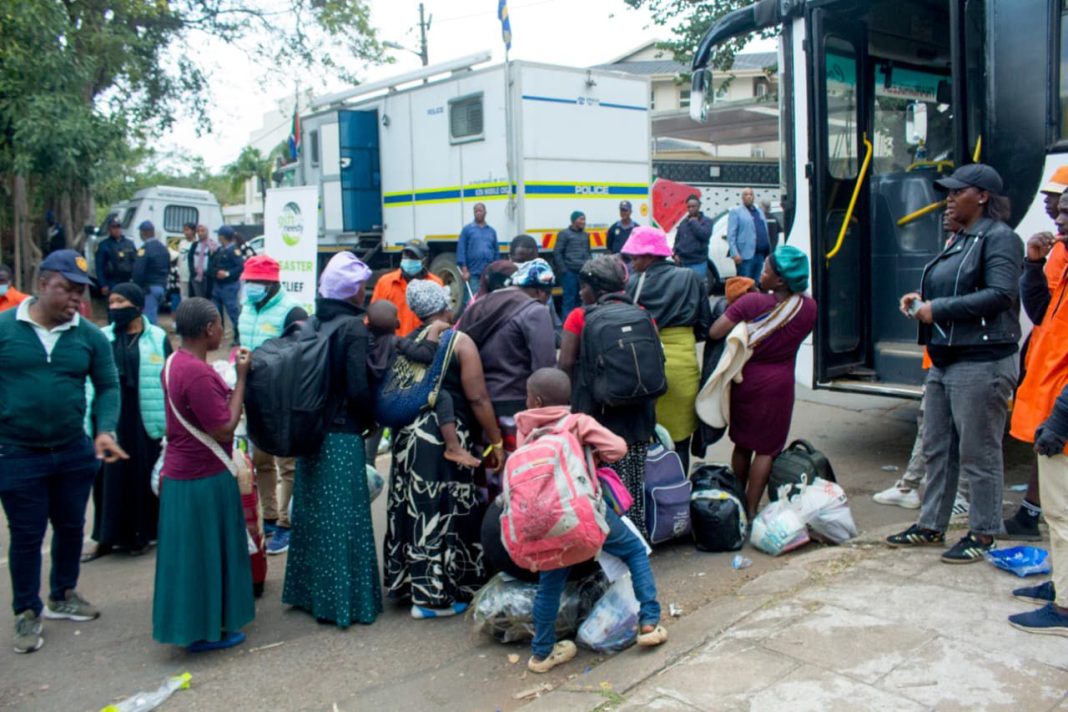
This follows a verification process by the Department of Home Affairs, which found that 1,876 Malawian nationals processed so far at the site did not have a valid immigration status. There are about 7000 Malawian nationals at the park area. They fled there over the weekend after being chased by locals from various informal settlements.
The immigration violations include visa overstays, expired permits and undocumented status, which can trigger deportation processes under the Immigration Act.
ALSO READ: Cat Matlala and co-accused return to court for attempted murder pre-trial proceedings
The priority court is operating through a virtual platform linked to the Durban Magistrate’s Court, allowing immigration matters from Sherwood Park to be heard without transporting large numbers of people through the city.
Deputy Justice Minister Andries Nel said on Tuesday that the court was hearing immigration matters linked mainly to Sherwood Park.
“The others are undergoing deportation proceedings. Deportation orders have been issued against them in terms of the Immigration Act. That requires a hearing by a magistrate and that’s what’s happening at the moment,” Nel said.

Home Affairs said the process was separate from the voluntary repatriation programme being undertaken with the Government of Malawi.
Home Affairs spokesperson Thulani Mavuso said Malawi had facilitated the voluntary return of 676 of its nationals as of 15 June 2026, but said the pace of departures had made formal deportation processes necessary.
ALSO READ: Jub Jub released on R5,000 bail after urgent court bid
“While voluntary repatriation efforts remain ongoing, the pace of departures has necessitated the implementation of formal deportation processes to ensure the lawful and orderly enforcement of South Africa’s immigration laws,” Mavuso said.
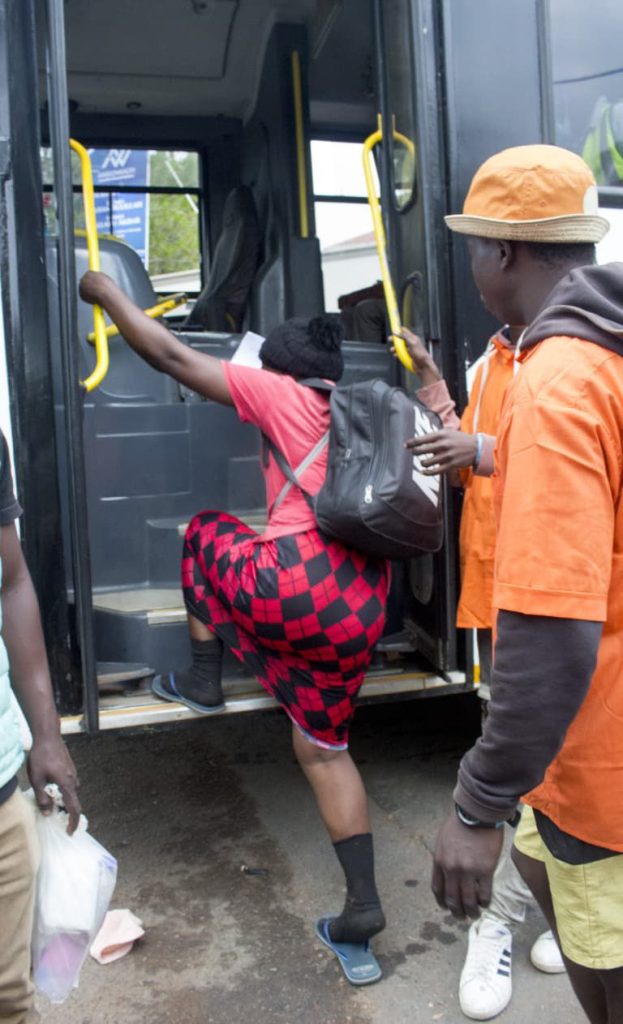
The Inter-Ministerial Committee on Migration said on Sunday that about 7,000 Malawian citizens had gathered at Sherwood Park for repatriation or deportation. The committee said the Malawian government had commissioned buses to transport its citizens, while South Africa would also support the process with additional buses for those facing deportation.
The committee said Home Affairs remained the only authority empowered to determine whether a person was lawfully in South Africa and to take the necessary administrative steps, including declarations of undesirability and deportation.
The situation at Sherwood Park has escalated amid rising tensions over immigration and anti-immigration mobilisation in parts of the country, including a 30 June “deadline” promoted by some anti-illegal immigration groups for undocumented foreign nationals to leave South Africa.
KwaZulu-Natal Premier Thamsanqa Ntuli visited Sherwood Hall on Tuesday, where thousands of people have been sleeping in difficult conditions while waiting to be processed or transported.

Ntuli said government was trying to prevent the situation from becoming a humanitarian crisis.
Ntuli said a multi-departmental intervention had been established to ensure that both the migrants and surrounding communities were protected.
“We have the Department of Health present here. We have Social Development present here. We have Community Safety and Liaison present here because all these departments form part of the steering committee. We want to ensure that the people who are here are not adversely affected by being here in large groups, and that the people of eThekwini are also not affected by the presence of these large groups,” he said.
The premier described the response as a humanitarian intervention aimed at resolving a crisis situation.
He said engagements had already taken place with local councillors, non-profit organisations and private sector stakeholders, some of whom had offered transport assistance.
“There is a private sector willing to donate buses. We are going to engage with that because we want to resolve this situation,” Ntuli said.
He said many of those gathered at Sherwood had indicated that they wanted to leave South Africa but did not have the money to do so.
“When people say they are here illegally and have heard the call to return home, but do not have the means, then if we have the means, we must afford them those means,” Ntuli said.
He said assisting undocumented migrants to return home should not be seen as rewarding illegal immigration, but as a practical response to a situation that affected both the migrants and local communities.
ALSO READ: Ramaphosa: Youth unemployment is SA’s defining post-apartheid challenge
“It is important that no one discourages support being given to this process. No one should say that because they found their way into South Africa, they must find their own way back. That would be irresponsible. The problem is not only theirs, it is a problem for all of us and it must be solved,” he said.
The Malawian government has appealed for financial, logistical and humanitarian support to help repatriate its citizens from Durban, saying the scale and urgency of the operation had placed heavy pressure on available resources.
In a statement, Malawian authorities said the repatriation programme was being coordinated by the Department of Disaster Management Affairs, the Ministry of Foreign Affairs and International Cooperation, the Malawi High Commission in Pretoria, government agencies, humanitarian organisations and other stakeholders.

“We believe this is a national humanitarian mission that requires collective effort, compassion and solidarity of all stakeholders. Government therefore calls upon development partners, the private sector, humanitarian organisations and faith-based institutions to support this critical undertaking through financial assistance, transport services and other forms of support,” the statement read.
Malawi said a task team had been deployed to South Africa to oversee registration, verification, protection and repatriation measures, while emergency travel documents were being issued to nationals who had lost passports or other documents.
The first group of returnees arrived in Malawi on 9 June, while other groups remained in transit as the operation continued.
INSIDE METROS