By Charmaine Ndlela
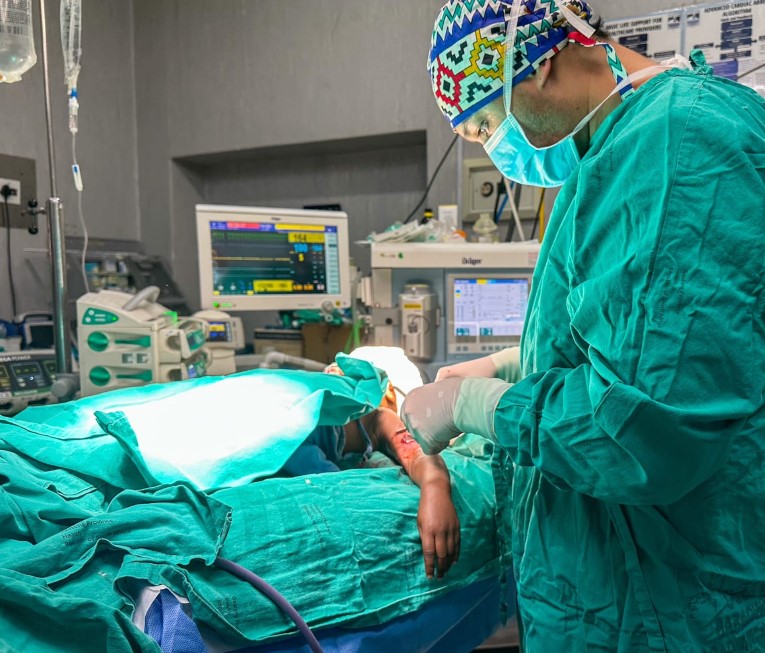
The Gauteng Department of Health says it exceeded the final target for its Mandela Month Surgical Marathon after completing 1,337 surgeries and clinical procedures across the province.
The total was 11 procedures above the final target of 1,326, representing about 100.8% of the department’s pledge.
The campaign was initially launched with a pledge to complete 1,078 surgeries and clinical procedures at 19 public hospitals. The target was subsequently increased as more facilities and services participated in the initiative.
The marathon, which ran from 11 to 31 July, formed part of the department’s efforts to reduce surgical waiting lists, improve access to specialist healthcare services and restore dignity to patients who had been waiting months, and in some cases years, for treatment.
According to the department, the campaign was implemented across 28 public health facilities, including 25 hospitals, one specialised oral health centre and two community health centres.
Multidisciplinary clinical teams dedicated additional theatre time, including during evenings and weekends, to provide surgical care.
In total, 22 surgical specialties carried out 103 different types of procedures, reflecting the public health system’s ability to coordinate services across multiple levels of care.
Ophthalmology recorded the highest number of procedures at 445, followed by obstetrics and gynaecology with 157 and orthopaedics with 130.
Other procedures included joint replacements, hernia repairs, oral surgery, prostate biopsies and several specialised interventions.
Kalafong Provincial Tertiary Hospital completed the highest number of procedures, with 186, followed by Chris Hani Baragwanath Academic Hospital with 157, Steve Biko Academic Hospital with 149, Dr George Mukhari Academic Hospital with 123 and Leratong Hospital with 94.
Primary healthcare facilities also participated in the campaign, with Laudium Community Health Centre and Stanza Bopape Community Health Centre completing a combined 24 minor surgical procedures.
The department said the intervention demonstrated that appropriately selected minor procedures could safely be performed closer to communities, reducing unnecessary hospital referrals and improving access to care.
The surgical marathon also advanced the department’s Treatment Time Guarantee Programme, which prioritises patients according to clinical urgency and recommended treatment timeframes.
Through real-time patient tracking, clinicians and hospital managers can identify delays, improve theatre planning and prioritise patients who have waited longer than the recommended treatment period.
The department said the milestone reflected the collective efforts of multidisciplinary clinical teams who dedicated the Mandela Month period to delivering essential surgical care while advancing initiatives to reduce waiting lists, improve access to specialist services and strengthen the provincial health system.
“For many patients, these procedures represent far more than medical interventions. They restore sight, improve mobility, relieve pain and provide an opportunity to return to work, school and family life after months, and in some instances years, of waiting for treatment,” the department said.
It also acknowledged the commitment of surgeons, anaesthetists, nurses, theatre teams, support staff, hospital management and partner organisations who worked extended hours to ensure that more patients received long-awaited treatment.
“This campaign has demonstrated what is possible when the public health system works together. Every procedure completed honoured the legacy of former President Nelson Mandela through meaningful action and restored health, hope and dignity to patients and families across Gauteng,” the department said.
INSIDE METROS