
By Thapelo Molefe
About half of South African men and women believe a woman earning more money than her male partner could cause problems in a relationship, according to the latest Stats SA survey.
The 2025/26 Governance, Public Safety and Justice Survey also found that the battle against gender-based violence is not only about stopping perpetrators, but also about changing attitudes inside relationships, with some men and women still accepting violence in certain circumstances.
The survey found that more men than women believed there were situations where it was acceptable for a man or husband to hit or beat his partner.
ALSO READ: Statistician-General: Social attitudes must change to tackle gender-based violence
Among men, the most commonly cited justification was a wife having sex with another man, while among women the leading justification was a husband or partner having sex with another woman.
The findings come as 81.3% of women and 80.5% of men said they believed a spouse or intimate partner committed most acts of gender-based violence.
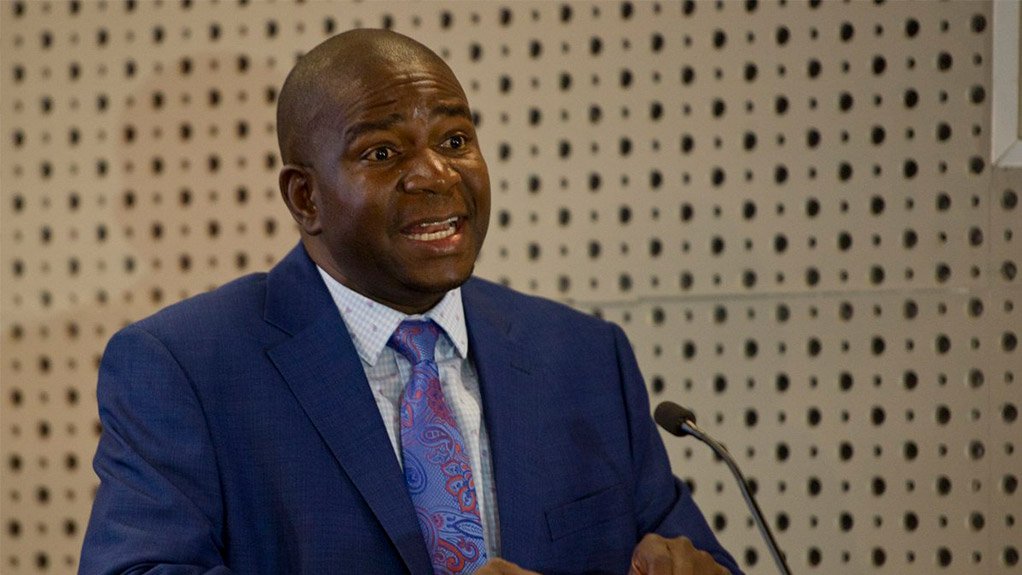
Statistician-General Risenga Maluleke said this highlighted the need to address social norms alongside policing.
“This one becomes very critical because the police cannot come and police private spaces or houses,” Maluleke said on Tuesday, during the release of the survey.
Substance abuse and alcohol were identified as the leading perceived causes of violence against women and children, cited by 84.4% of men and 85.3% of women.
Unemployment was also identified by 65.6% of men and 64.6% of women as a cause of violence against women and children.
Maluleke cautioned, however, against using unemployment as a blanket explanation for crime.
“The Statistician-General can only report as it has been said,” he said, explaining that unemployment was identified by respondents specifically in relation to violence against women and children.
ALSO READ: Ndabeni calls on banks to become development partners for youth-owned green businesses
The survey found that 38.9% of people aged 16 and older believed GBV had increased in their areas, up from 36.3% in 2020/21.
The findings also show how closely violence against women is linked to people they know. Among female assault victims, 70.3% said the perpetrator was someone known to them. Spouses or intimate partners accounted for 31.4%, friends or acquaintances 19.4%, and relatives or other household members 17.3%.
The report also recorded 264 000 people experiencing psychological violence during 2025/26, including 163 000 women. Only 30.7% of victims reported some or all incidents to police.
Sexual offences, meanwhile, declined during the year. Stats SA recorded 11 000 individuals who experienced sexual offences in 2025/26, down substantially from the previous year.
Maluleke said the decline in stigma around sexual offences appeared to be encouraging more victims to report cases.
“The issue of stigmatisation is starting to become lower and lower, so people become confident to want to go and report that with the police,” he said.
Awareness of support services was relatively high, although shelters and places of safety remained less well known. Some 87.2% of respondents were aware of medical assistance services for victims of violence against women and children, while 81.4% were aware of protection-order services. However, only 47.5% were aware of shelters or places of safety.
INSIDE METROS