
- Advertisement -

Morero unveils EV charging stations to modernise municipal operations

- Advertisement -

Must read

By Akani Nkuna

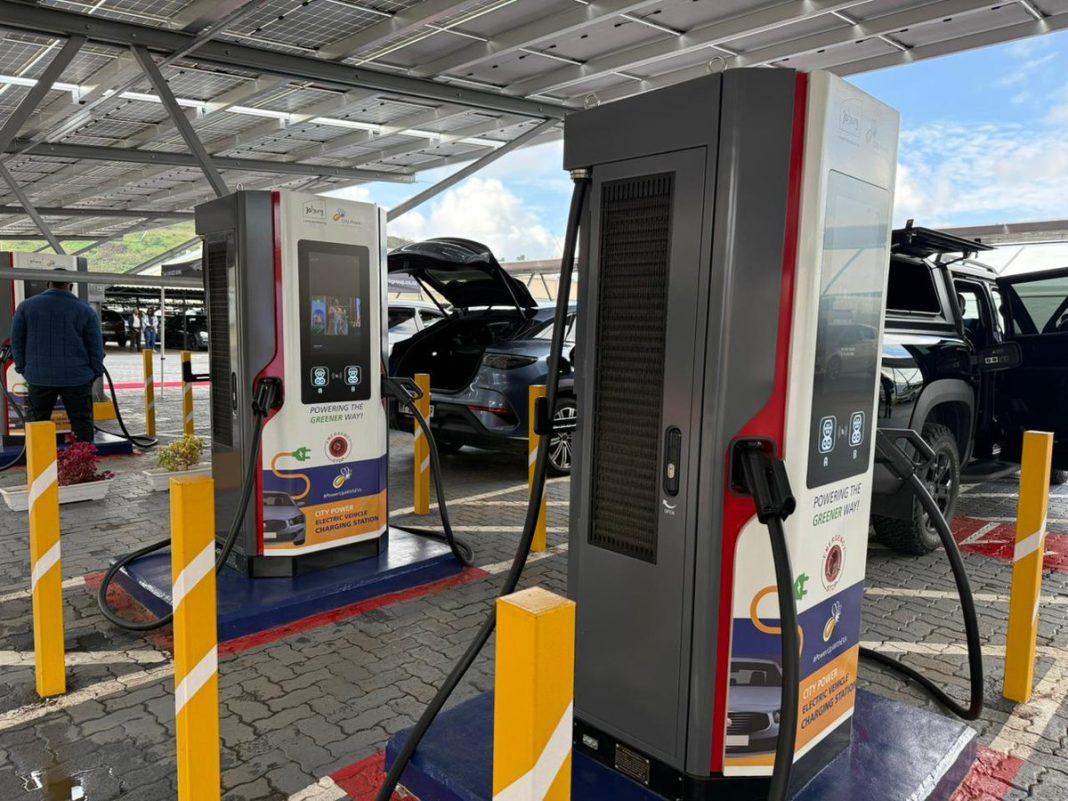
The Executive Mayor of City of Johannesburg (COJ), Dada Morero, has unveiled Phase One of Electric Vehicle (EV) charging stations at the City Power head office in Johannesburg, asserting that it outlines the city’s sustainable innovation and commitment to the new era of clean energy transition.
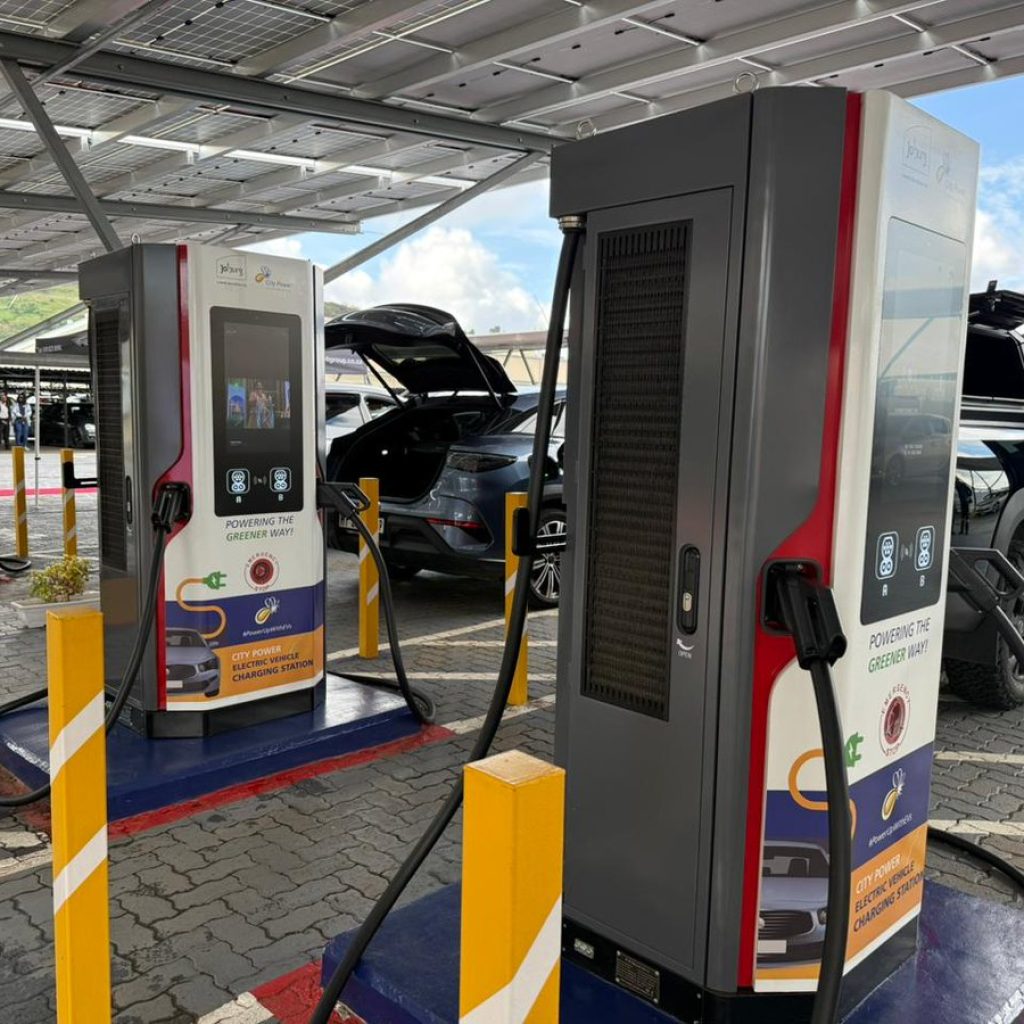
Speaking at the launch on Tuesday, Morero said that the charging stations are earmarked to modernise municipal operations and strengthen service delivery whilst also ensuring that the city of Johannesburg fulfills its ambitions to reduce carbon emissions.

ALSO READ: KZN to target drunk pedestrians in Easter road safety campaign


“By introducing electric vehicles and building charging infrastructure, the City is improving operational efficiency while reducing long-term costs and environmental impacts. The financial case is compelling,” he said.

“Through the transition to electric vehicles, City Power is positioned to realise substantial cost savings—up to R29.7 million per annum under a leasing model, and as much as R49.3 million annually if the vehicles are acquired outright and amortised over a five-year period.”

City Power launched the EV programme last year, 2025 as part of the utility’s 10-Point Energy Plan which was designed to diversify energy mix, enhance energy resilience, curb carbon emissions and position Johannesburg as a frontrunner in the economy.

It was reported that the utility allocated over R12 million in investments on the EV programme, which emerged during its result presentation for the first quarter of the 2025/26 financial year early November in 2025.

ALSO READ: Police hunting two suspects after labour lawyer gunned down

Morero said that the estimated cost-saving measures through the EV programme will enable reinvestment in critical industries, including innovative community-level energy initiatives.

He said that the city will avoid more than 52000 tons of carbon emissions each year after a complete fleet transition has been implemented, improving air quality and taking Johannesburg toward its “ambitious climate obligations.”

Morero said that the introduction of the charging stations, expediting the city to phase-out old fleet of vehicles and acquire electric vehicles, will enable the cutting down of fuel cost and “unpredictable maintenance expenses.”

“Through the introduction of electric vehicles and charging stations, we are not only modernising our fleet but also dramatically strengthening accountability, efficiency, and cost predictability,” Morero said.

ALSO READ: Tshwane puts MMC on special leave as Madlanga Commission fallout widens amid tender-rigging claims

Morero has also alluded the programme to critically transform how the city generates, manages, and secures power with the incorporation of solar microgrids at informal settlements, including rooftop solar at public facilities, gas turbines for emergency and growing investments in battery storage to safeguard Johannesburg’s energy security during the ushering in of the clean energy era.

“It supports our Smart City ambitions and accelerates our economic strategy by building pathways for new industries, new skills, and new jobs. And it positions Johannesburg not as a follower but as a continental leader in the green mobility sector,” Morero added.


INSIDE METROS

- Advertisement -

More articles

LEAVE A REPLY

Please enter your comment!
Please enter your name here

AVBOB STEP 12

Inside Metros G20 COJ Edition

JOZI MY JOZI

Inside Education Quarterly Print Edition

- Advertisement -

Latest article