- Advertisement -

WaterCAN says latest Drop reports show water crisis is worsening

- Advertisement -

Must read

By Thapelo Molefe

Civil society organisation WaterCAN has warned that South Africa’s water crisis is worsening, saying the latest government Drop reports confirm long-standing failures in municipal management and infrastructure maintenance.

Reacting to Tuesday’s release of the 2025 Green Drop report and Blue and No Drop progress updates, WaterCAN said the findings reflect a “systemic collapse” in parts of the country’s water and sanitation systems, particularly at local government level.

ALSO READ: Metros lose jobs edge as government steps up urban reforms

“The scale of failure reflected in these reports shows a system that is not being managed with the urgency it requires,” WaterCAN said.

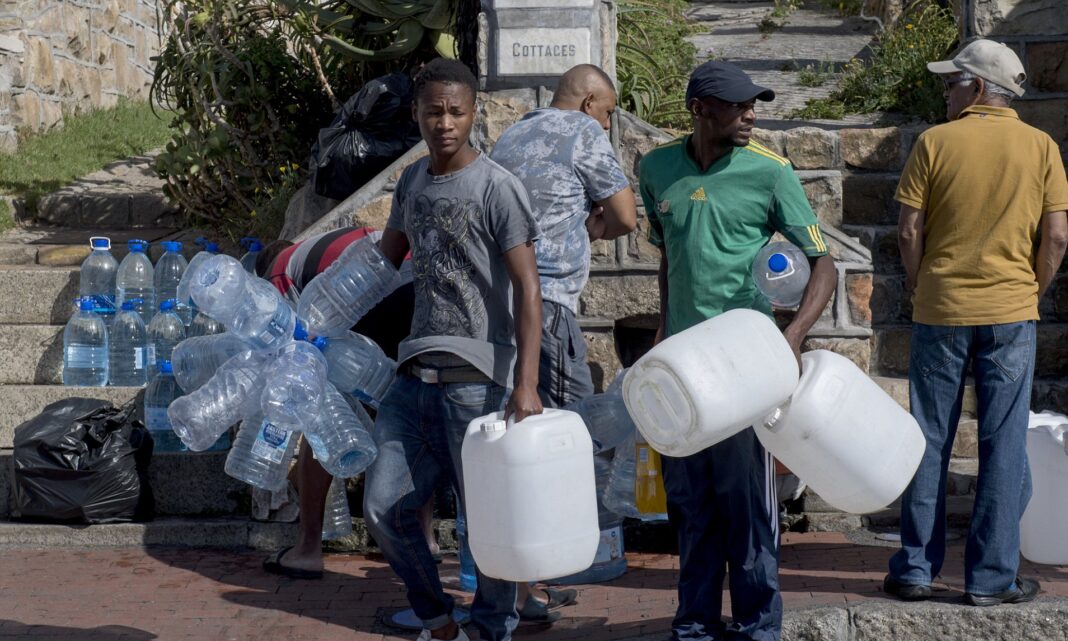
“Communities are living with sewage in their streets and unreliable access to clean water, and that is unacceptable in a constitutional democracy.”

The organisation criticised what it said was a lack of accountability and slow implementation of corrective measures.

“Year after year, the same problems are identified, but we are not seeing the level of consequence management or turnaround needed.”

It also raised concern about the human impact of the failures, saying unsafe water and poor sanitation conditions are undermining public health and dignity, particularly in vulnerable and rural communities.

During the release of the Drop reports on Tuesday, Water and Sanitation Minister Pemmy Majodina said that 47% of wastewater treatment systems are now in a critical condition, up from 39% in the previous assessment.

ALSO READ: ActionSA unveils helpdesk to enforce accountability 

This means nearly half of the 848 systems audited are failing, with a sharp decline in the number of facilities meeting acceptable standards.

“The findings of the 2025 Green Drop report are deeply concerning,” Majodina said.

At the same time, the number of high-performing systems has dropped significantly, while Green Drop certifications declined from 22 in 2022 to just 14 this year.

The Blue Drop progress report showed only marginal improvement in drinking water quality, with low-risk systems increasing slightly to 61.9%, while critical-risk systems decreased to 7.9%.

Many systems still require urgent intervention to ensure water is safe for consumption.

Deputy Minister David Mahlobo said access to safe water remains a constitutional issue.

“If it is not safe to drink the water from the tap, we must know we are violating the right to an environment that is not harmful,” he said.

The No Drop report highlighted ongoing inefficiencies in water distribution, with non-revenue water losses remaining high at around 47%, pointing to widespread leaks, theft, and poor system management.

Government has attributed the crisis to municipal failures, including lack of maintenance, weak governance, insufficient technical skills, and poor financial management.

Majodina said while South Africa does not face an immediate shortage of raw water, the real crisis lies in the failure to deliver clean, reliable water to communities.

“We do have water, but does that water reach communities? Yes and no,” she said.

WaterCAN said the reports should serve as a wake-up call, urging stronger enforcement, faster interventions and greater accountability from municipalities to prevent further decline.

“The time for reports without action is over. We need urgent, measurable change on the ground,” the organisation said.

INSIDE METROS

- Advertisement -

More articles

LEAVE A REPLY

Please enter your comment!
Please enter your name here

AVBOB STEP 12

Inside Metros G20 COJ Edition

JOZI MY JOZI

Inside Education Quarterly Print Edition

- Advertisement -

Latest article