
By Mulalo Luvhimbi
Minister in the Presidency Khumbudzo Ntshavheni has called for illegal dumping sites and neglected public spaces to be cleaned up following the discovery of several murdered women in Ekurhuleni.
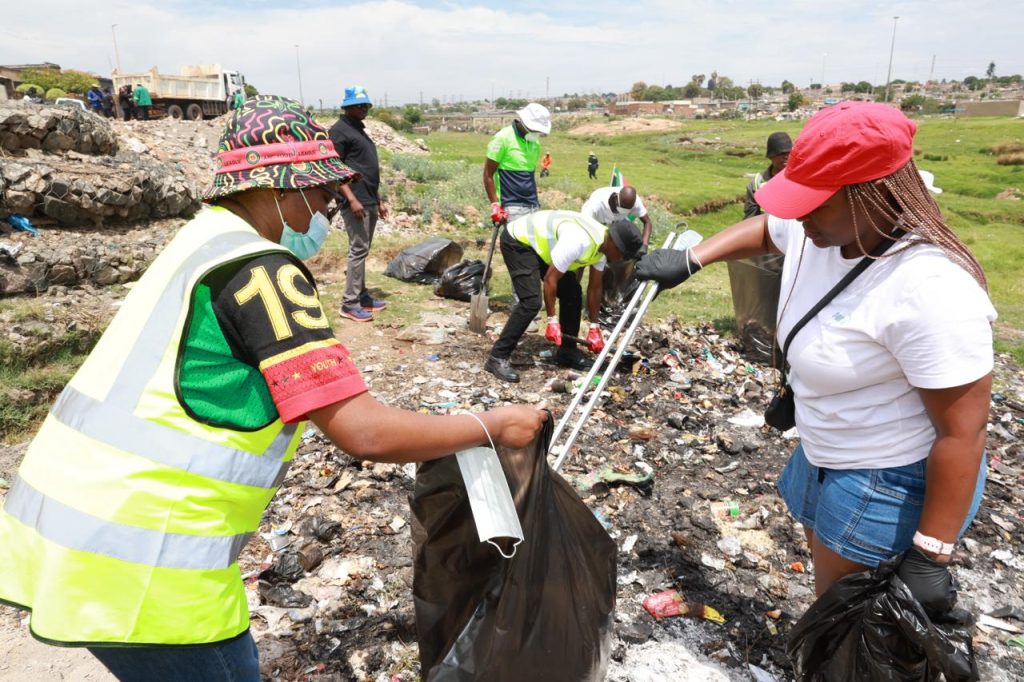
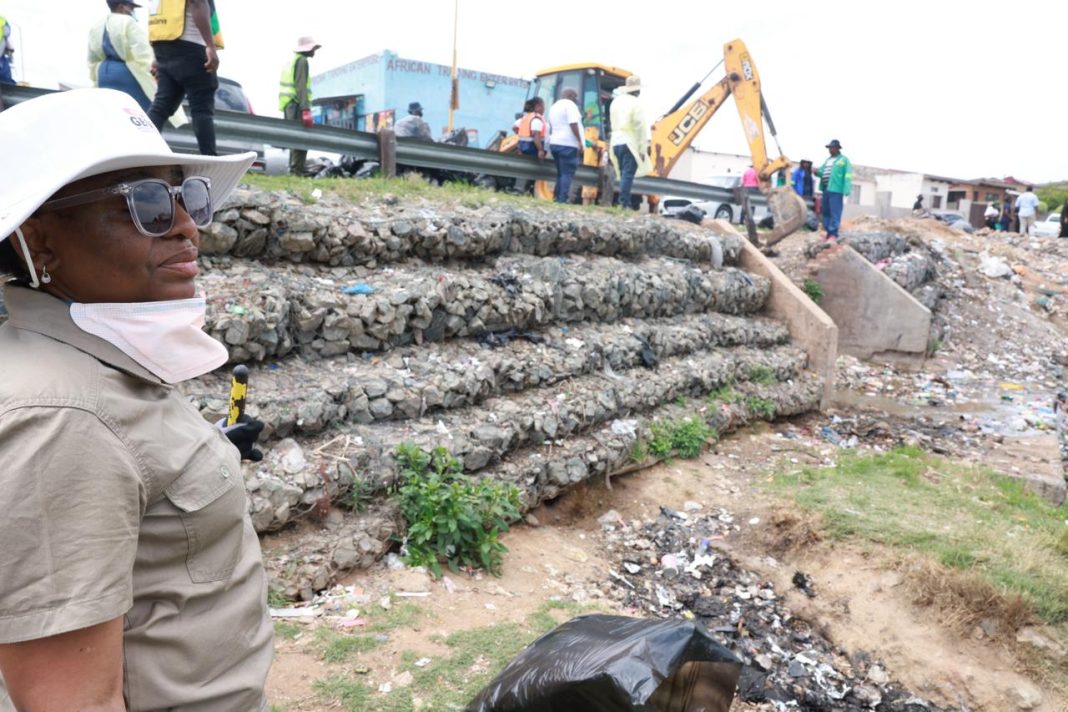
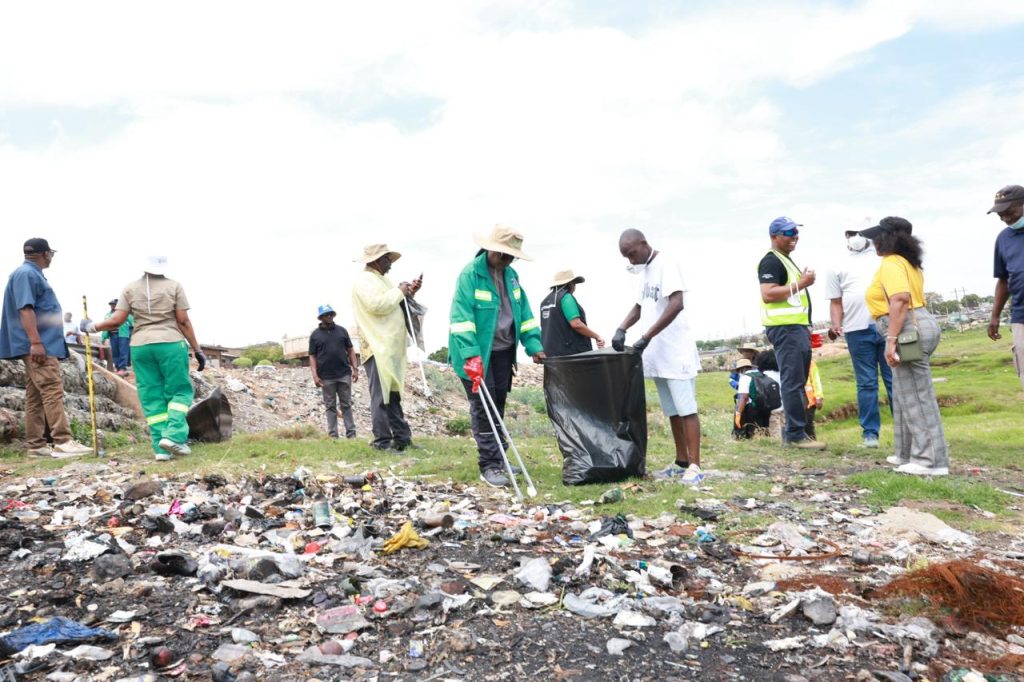
Ntshavheni made the call on Wednesday during the Love Your Street campaign in Thembisa, where she joined Ekurhuleni Executive Mayor Nkosindiphile Xhakaza in efforts to improve cleanliness and safety in the area.
“Let’s love our area because if we love it, we’ll keep it clean. If it’s clean, it builds up to a whole block that is clean, from a block it builds up to a full ward that is clean, and from a ward it builds up to a full municipality that’s clean. From a municipality it builds up to a full province that is clean or a district or a metro. From a metro and a province it builds up to a clean South Africa,” Ntshavheni said.
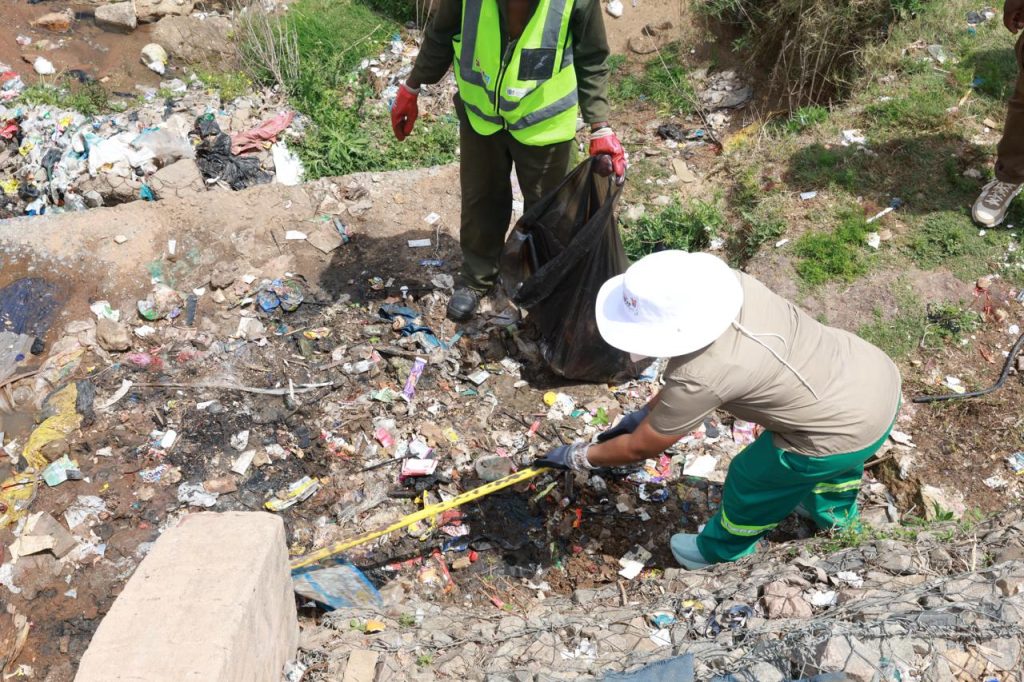
The campaign included a clean-up near Thembisa South Police Station and a tree-planting initiative at Umthembeka Primary School.
Ntshavheni said neglected public spaces, particularly illegal dumping sites, posed a threat to women’s safety.
She said several women who had been murdered in Ekurhuleni were found at illegal dumping sites, with some bodies discovered in advanced stages of decomposition.
She said the City of Ekurhuleni was committed to improving refuse collection and maintaining public spaces.
Ntshavheni also visited Umthembeka Primary School, where trees were planted as part of the Presidential One Billion Trees Programme, implemented in partnership with the Department of Forestry, Fisheries and the Environment.
She encouraged schools to teach learners about environmental responsibility, including keeping their surroundings clean and establishing vegetable gardens.
The minister said the government wanted to work with the Ekurhuleni municipality to promote environmental awareness and encourage schools to take responsibility for maintaining their surroundings.
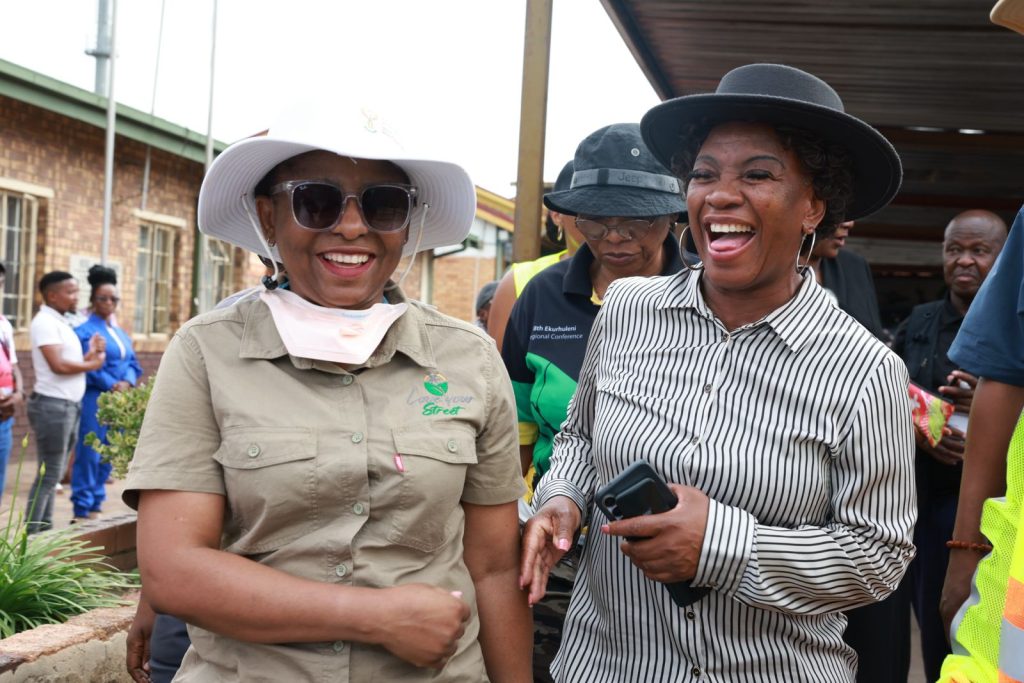
The Love Your Street campaign, launched by the Presidency and the Government Communication and Information System (GCIS) in May, mobilises communities, municipalities, government departments and civil society organisations to improve neighbourhood cleanliness and strengthen public participation in service delivery.
It was initially rolled out in Manenberg and Khayelitsha in the Western Cape before expanding to other communities.