By Gontse Sekhantso
eThekwini’s failure to curb massive water losses and repair thousands of unresolved faults has left the municipality vulnerable to a potentially severe El Niño, as forecasters warn of hotter and drier conditions across much of South Africa this summer.
As reported previously by Inside Metros, the municipality is losing 55.6% of its water through leaks, illegal connections and other non-revenue losses, while its backlog of unresolved water faults increased from 744 in November 2025 to 14,776 by May 2026.
This has placed pressure on regional water resources, prompting Water and Sanitation Minister Pemmy Majodina to reject further concessions allowing eThekwini to exceed permitted water abstraction limits from the uMngeni Water Supply System.
ALSO READ: Joburg parks win six African awards
In a letter to Mayor Cyril Xaba in September, Majodina said that the municipality’s failure to reduce water demand and address infrastructure problems threatened the reliability of the regional supply system.
She warned that continued excessive abstraction increased the risk of “severe restrictions and potential system failure to supply water”, with “serious consequences for water users and the regional economy”.
The department had granted the municipality six concessions and deferments since July 2023, but eThekwini failed to meet commitments to reduce water demand by 1% a month over eight months.
Majodina said there was no “reasonable basis to conclude that a further deferment would produce a different outcome”.
The warning comes as the South African Weather Service (SAWS) forecasts a very strong El Niño event during the 2026/27 summer, increasing the likelihood of below-normal rainfall and above-normal temperatures over much of the country.
El Niño is a naturally occurring climate phenomenon involving the warming of sea surface temperatures in the central and eastern equatorial Pacific Ocean. It can disrupt rainfall patterns and increase the risk of drought in parts of southern Africa.
ALSO READ: SASSA brings forward November grant payments ahead of elections
SAWS has cautioned, however, that the intensity of an El Niño event does not necessarily determine the severity of drought in individual regions.
The municipality hosted a media workshop at the Durban Botanic Gardens this week, bringing together climate scientists, public health experts and disaster management officials to discuss the city’s preparedness for worsening climate-related risks.
University of KwaZulu-Natal (UKZN) climate researcher Professor Cathy Sutherland warned that El Niño could compound existing social and economic problems, particularly in communities already struggling with water insecurity, poverty and inadequate infrastructure.
“El Niño does not create new vulnerabilities, but it intensifies existing challenges such as water insecurity, food insecurity, health risks, and the impacts of poverty. Building climate resilience requires collaboration between government, communities, researchers, and the private sector to ensure effective adaptation and response measures,” Sutherland said.
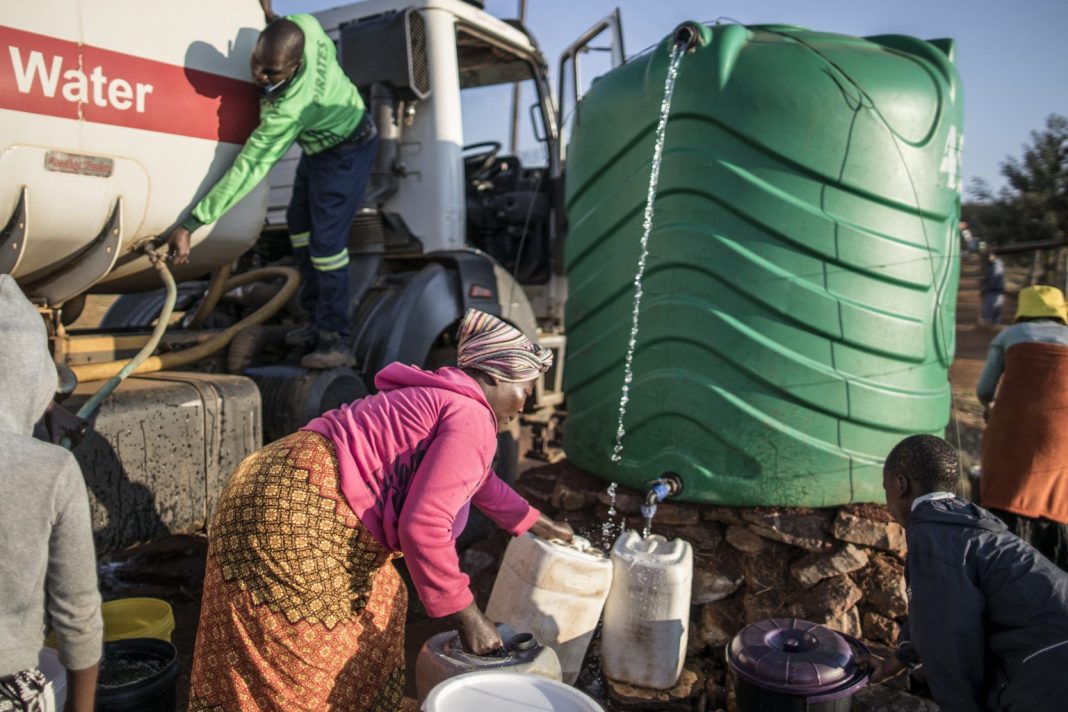
WaterCAN, a civil society organisation campaigning for improved water governance, has previously criticised the municipality’s failure to address these problems, warning that continued dependence on emergency water tankers is not a sustainable solution.
The organisation has also raised concerns that restrictions on regional water supplies could disproportionately affect poorer communities and residents who already experience prolonged interruptions.
Meanwhile, UKZN Professor Rajen Naidoo, a specialist in occupational and environmental health, warned that increasing temperatures could pose additional health risks, particularly for children.
“Everyday heat is likely to have an impact on the growing lungs of children. There’s a need for feasible interventions that are sustainable and can end up protecting children’s health,” Naidoo said.
During the workshop, eThekwini Disaster Management Directorate representative Jotham Khumalo outlined measures the municipality had introduced to improve its response to climate-related emergencies.
These include an El Niño Coordination Team, ongoing risk assessments, strengthened early warning systems, public awareness campaigns and coordinated emergency planning through the Joint Operations Centre.
“While El Niño can increase drought risks in southern Africa, eThekwini must also prepare for other climate-related hazards, including flooding, which can damage infrastructure, disrupt essential services and threaten lives,” Khumalo said.
The municipality has also updated its Disaster Risk and Response Management Plan, incorporating lessons from previous flooding to improve its response to extreme weather events.
The city’s water problems have become the subject of a political and legal dispute following a Democratic Alliance (DA) billboard campaign criticising its handling of the crisis.
On Thursday, an urgent application brought by Xaba, City Manager Musa Mbhele and senior municipal official Ednick Msweli over a billboard referring to the alleged “water tanker mafia” – in which the trio was named as the real water tanker mafia by the DA — was postponed in the Durban High Court.
The city said that the billboard, which featured their images, was defamatory, while the DA maintained that its campaign constituted legitimate political criticism of the municipality’s management of the water crisis.
The matter is scheduled to return to court on 20 October.