By Akani Nkuna
The Fetakgomo-Tubatse Special Economic Zone (FTSEZ) in Limpopo has attracted an investment pipeline worth R52.6 billion, with the development projected to create about 8,000 jobs in the short to medium term and potentially 20,000 over 10 years.
Trade, Industry and Competition Minister Parks Tau outlined the investment prospects during a ministerial engagement in Steelpoort on Tuesday, where national and provincial government representatives, industry stakeholders and traditional leaders discussed the development and implementation of the FTSEZ.
Tau described the zone’s designation in May 2026 as a significant milestone in the industrial development of Limpopo and South Africa.
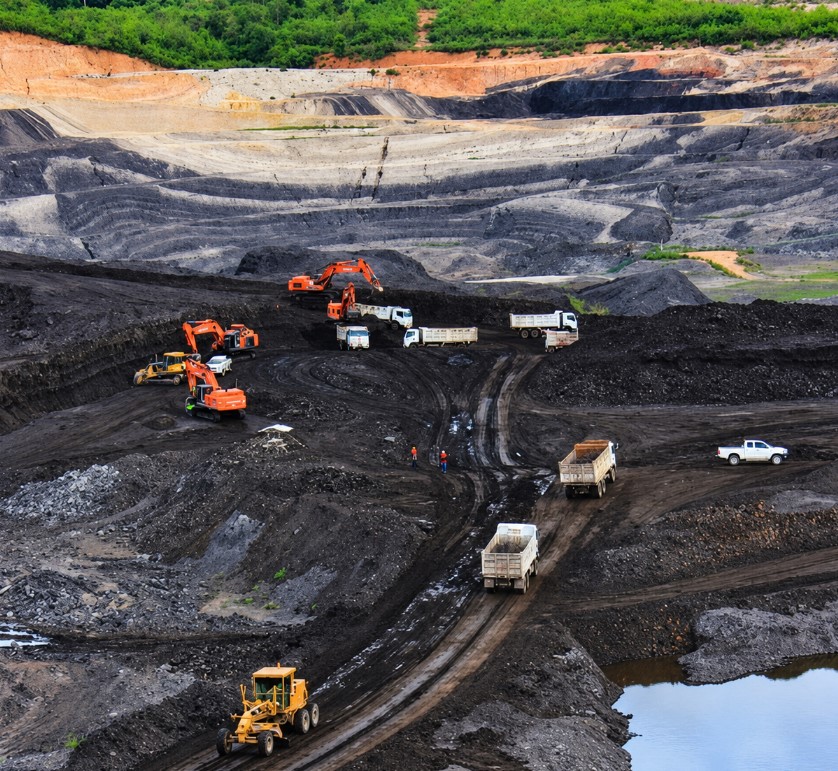
“The FTSEZ is strategically located in the Steelpoort industrial hub, and is positioned to support mineral beneficiation, manufacturing, renewable energy and related industrial activities. Few places make the case for beneficiation better than Steelpoort,” Tau said.
The planned industries are expected to strengthen local value chains by enabling more minerals extracted in the area to be processed domestically and converted into finished products for local consumption and export.
Limpopo MEC for Economic Development, Environment and Tourism Tshitereke Matibe said the provincial government had committed R445 million towards infrastructure development to accelerate industrialisation, attract investment and promote job creation and economic growth.
Matibe said the funding commitment reflected the province’s determination to ensure that its mineral wealth translated into greater economic benefits for local communities.
“Our vision is to ensure that minerals extracted in Limpopo create greater economic value within our province. We must increasingly move towards processing, manufacturing and producing goods that strengthen domestic supply chains, support industrial competitiveness, and create sustainable employment,” said Matibe.
The FTSEZ forms part of a national programme aimed at attracting investment, creating employment and strengthening South Africa’s industrial base.
Tau said 141 companies had committed to investing more than R548 billion across the country’s Special Economic Zones, with the projects expected to create more than 60,000 permanent jobs once operational.
He said the SEZ programme had already contributed significantly to industrial development, with various zones attracting private investment and generating employment.
Tau said the FTSEZ was building on the achievements of South Africa’s SEZ programme.
“Different SEZs across the country are host to 234 private companies, with a combined investment value of over R47 billion,” said Tau.
He added that the programme had created 134,478 jobs, of which 32,904 were permanent.
Tau said growing investor confidence in SEZs demonstrated the programme’s potential to stimulate economic growth and strengthen South Africa’s industrial base.
He also highlighted the FTSEZ, alongside the Nkomazi SEZ and the Musina-Makhado SEZ, as important initiatives for advancing cross-border economic cooperation and mineral processing.
The three zones have begun bulk infrastructure development to prepare for future investments, supporting South Africa’s broader industrialisation objectives under the African Continental Free Trade Area.
Tau said the developments were critical to deepening industrialisation and strengthening the country’s role in regional trade and economic cooperation.
INSIDE METROS