
By Akani Nkuna
A total of 408 cases of gastrointestinal illness were recorded in Bronkhorstspruit between 7 and 18 October, as an investigation by the Department of Water and Sanitation found that the City of Tshwane failed to warn residents that their water supply was unsafe for consumption.
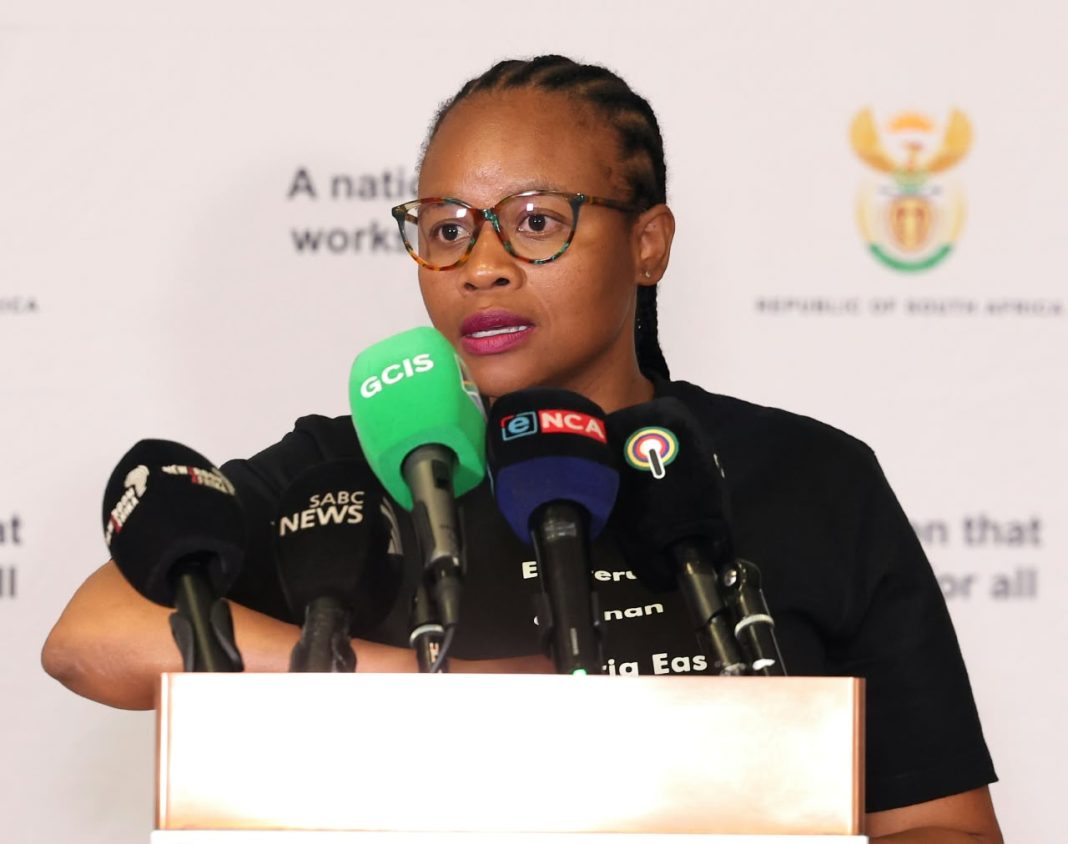
At a joint media briefing on Monday, Water and Sanitation Minister Pemmy Majodina said the investigation found that water supplied by the Bronkhorstspruit Water Treatment Works (BWTW) was left unchlorinated from 24 September to 14 October because of problems with its chlorine supplier.
She said the treatment works draws water from a river polluted by sewage from dysfunctional wastewater treatment plants in Victor Khanye Municipality and faulty sewage pump stations in Tshwane.
“The investigation also found that the CoT had failed to warn residents in the affected areas of Bronkhorstspruit that the water being supplied had not been chlorinated and therefore should not be drunk or used for cooking, washing or bathing, even after boiling, as required by the 2025 Compulsory Standards for Water Services issued under the Water Services Act,” Majodina said.
The investigation follows an increase in patients presenting with stomach cramps and diarrhoea at Bronkhorstspruit Hospital and surrounding clinics.
A total of 408 cases of gastrointestinal illness were recorded between 7 and 18 October, with children under the age of four accounting for most cases, according to Majodina.
No deaths have been reported. Daily infections peaked at 72 on 13 October before dropping to 16 new cases on 18 October.
The City of Tshwane closed the BWTW on 14 October following disruptions to its chlorine supply.
Water supply was restored the following day, and the plant reopened on 16 October.
The city has since been distributing tested, safe drinking water from Cullinan to affected communities using tankers.
“The DWS investigation also found that various components of the BWTW were not working, such as pumps, sand filters and other mechanical equipment. CoT is in the process of appointing Rand Water as an implementing agent to further improve the performance of the BWTW,” Majodina said.
Tshwane mayor Nasiphi Moya said the city had reached a deadlock in negotiations with its chlorine supplier after the company increased its prices.
The treatment works ran out of chlorine during this period, she said.
Moya said consequence management would be instituted against plant officials for failing to exercise proper oversight, adding that city leadership had not been informed timeously about the chlorine shortage.
“There will [be] actions taken against officials entrusted to manage the plant, and the fact that we were not, even as leadership, informed on time that there was a problem with chlorine. They thought they were handling it,” Moya said.
She also blamed ageing and deteriorating infrastructure for the municipality’s water challenges, saying the city intended to invest in refurbishing its water infrastructure.
Majodina and Moya warned residents in areas supplied by the BWTW not to drink the tap water or use it for cooking, washing or bathing. The water may only be used to flush toilets.
Water tankers will continue distributing safe drinking water to affected communities.
INSIDE METROS