The Gauteng Department of Health has issued a malaria warning after the province recorded 768 cases and 17 deaths between January and September 2026.
The warning was issued on Thursday, 12 November, with the department reporting a 38.6% increase in infections. Cross-border travel was identified as a significant contributor to the increased numbers.
“Although Gauteng is regarded as a non-endemic province, residents remain at risk of contracting malaria when travelling to areas where the disease is prevalent,” the department said.
ALSO READ: OPINION | ANC loses millions of votes, but nobody loses their job. Again
For the whole of 2025, Gauteng recorded 666 malaria cases and seven deaths.
The department said 15 of the 17 people who died in 2026, representing 88.2%, had travelled to countries within the Southern African Development Community (SADC) region.
Mozambique accounted for approximately 59% of the reported deaths, highlighting the risks associated with travel to malaria-endemic areas.
The department joined SADC in emphasising the importance of regional cooperation, prevention and stronger surveillance in combating malaria.
With the festive season approaching, Gauteng Health urged residents planning to visit malaria-endemic areas to seek advice from travel clinics available across the province’s five health districts and take appropriate precautions before and during their journeys.
“Malaria is a serious but preventable and treatable disease. Common symptoms include fever, chills, headache, muscle aches, nausea and vomiting,” the department said.
It warned that anyone developing these symptoms while travelling to, or after returning from, a malaria-endemic area should seek medical attention immediately and inform healthcare workers about their travel history.
The department said it was strengthening malaria prevention and control measures through Environmental Health Services across all five districts.
Environmental health practitioners investigate reported cases to determine the likely source of infection and classify them as imported or odyssean malaria.
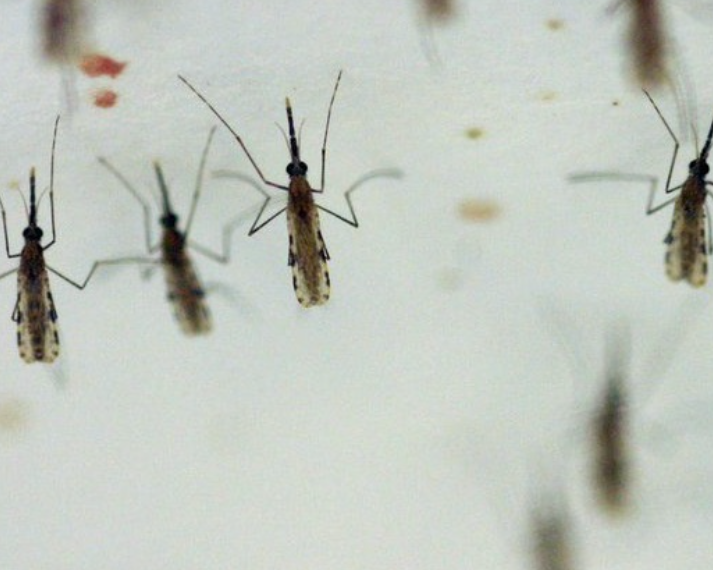
Odyssean malaria occurs when an infected mosquito is transported from a malaria-endemic area, potentially infecting someone who has not travelled to such an area.
The province also conducts audits of malaria-related deaths to identify contributing factors and improve its response.
Healthcare workers receive ongoing training to recognise suspected malaria cases, particularly because the disease may not immediately be suspected in a province where malaria is not endemic.
ALSO READ: Council of the Left opens door to ANC in bid to unite black political parties
The department said it monitors reported cases daily to identify emerging trends and enable timely interventions.
Community awareness campaigns are also being intensified in identified hotspots and among high-risk populations, particularly during public holidays and the festive season.
These campaigns include outreach programmes at taxi ranks, bus stations and other strategic locations to educate travellers about malaria prevention, symptoms and the importance of early treatment.
On Wednesday, 11 November, the province held a malaria awareness event at Holomisa Sports Grounds in Bekkersdal, in the West Rand District.
The event focused on educating communities about malaria transmission, symptoms, prevention and control.
The department said it would continue working with municipalities, the National Institute for Communicable Diseases (NICD), the National Department of Health and other stakeholders to strengthen malaria prevention, surveillance and control across Gauteng.