By Lebone Rodah Mosima
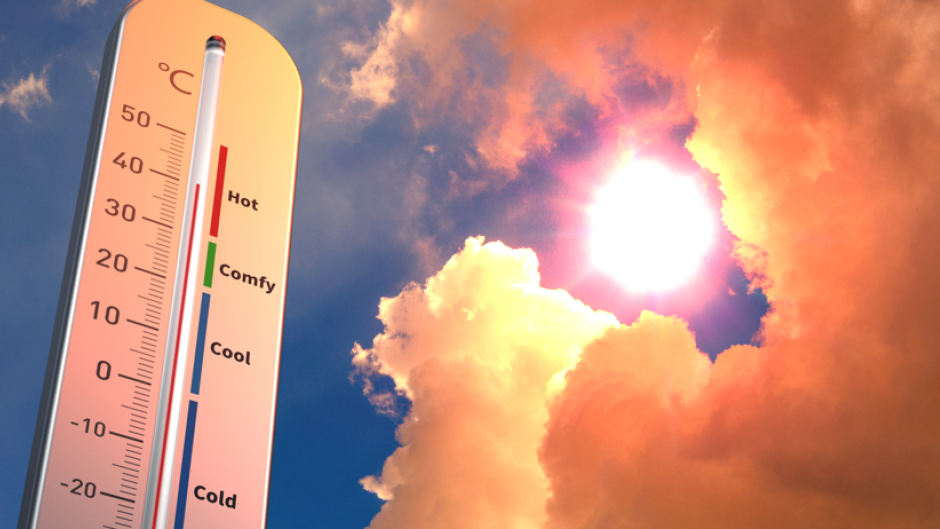
As temperatures soar across Gauteng, residents are being urged to stay hydrated and protect themselves from the heat, while many are struggling to access water from their taps.
On Saturday, water advocacy group WaterCAN said it had received reports of outages and severely reduced water pressure across several communities, with residents in parts of Soweto reporting shortages lasting nearly seven days.
“The causes remain unclear. Low reservoir levels, infrastructure failures, pumping constraints and electricity interruptions are possible contributing factors,” WaterCAN said in a statement.
“Residents have also questioned reports of supply restrictions without adequate explanation from Johannesburg Water.”
WaterCAN said poor communication had left communities uncertain about restoration times and emergency water arrangements.
The situation is particularly concerning during the current heatwave and amid the prospect of El Niño conditions, which could bring hotter and drier weather.
“Extreme heat increases the risk of dehydration and heat exhaustion, particularly among children, older people and vulnerable residents,” WaterCAN said.
“Some households are forced to queue for water, carry containers over long distances or find alternative supplies for cooking, washing and drinking.”
Professor Francois Engelbrecht, a climatology expert at the University of the Witwatersrand’s Global Change Institute, told Inside Metros that El Niño typically brings hotter and drier conditions to southern Africa, although the climate pattern does not follow a rigid rule.
“If you look at the seasonal forecast for the summer, almost every single forecast model in the world is indicating that it will be a dry summer on the average,” Engelbrecht said.
He explained that El Niño does not mean rain will disappear entirely or that every day will be unusually hot. Rather, El Niño summers tend to experience more extremely hot days and below-average rainfall.
Engelbrecht said the region faced an increased risk of drought and extreme heat between October and March, with persistent high-pressure systems suppressing cloud formation and allowing intense sunlight to heat the land.
He warned that recurrent heatwaves, intensified by global warming and El Niño conditions, posed serious health risks, particularly to older people and other vulnerable groups.
However, Engelbrecht said South Africa’s major dams held substantial water reserves, meaning the immediate concern was not necessarily a shortage of raw water but the ability of municipalities to deliver it reliably.
“We go into the summer, our big dams are still almost at 100% full. That was the state at the end of September anyway,” he said.
“So, we’re in a very good position. Even a big drought cannot cause us to run out of water this summer in terms of water being available in the big dams.”
“The problem is not this summer at least that we will not have water available from the dams. The problem is providing the water to people all the time. That’s where we are in big trouble.”
Engelbrecht said ageing infrastructure, leaking pipes and distribution failures could result in frequent outages during periods of high demand, increasing the health risks associated with extreme heat.
While long-term infrastructure repairs would require substantial investment and planning, he said municipalities needed to ensure that water tankers were available to provide immediate relief to affected communities.
He also encouraged residents to conserve water, maintain emergency supplies where possible and assist vulnerable neighbours and family members during heatwaves.
WaterCAN’s Nomsa Daele said the situation raised serious questions about municipal preparedness and accountability.
“Residents should not have to queue for water, carry containers over long distances or rely on rumours to understand why their supply has been interrupted,” Daele said.
“Whatever the operational challenges, municipalities have a responsibility to communicate openly, provide emergency water and ensure that communities are not left without access to this basic necessity.”
“The public deserves to know what is happening, why it is happening and what is being done to restore supply.”
WaterCAN also pointed to the Department of Water and Sanitation’s Monthly Dashboard for a Water Secure Gauteng, dated 30 October 2026, which showed growing pressure on the province’s water infrastructure.
According to the dashboard, nine municipalities collectively consumed 4.305 billion litres of water daily against an efficiency target of 3.604 billion litres, exceeding the target by 701 million litres, or approximately 19%.
Johannesburg recorded the largest excess consumption by volume at 368 million litres daily, followed by Tshwane at 227 million litres.
Tshwane recorded the highest proportional excess at 34%, followed by Emfuleni at 32% and Johannesburg at 27%.
WaterCAN said non-revenue water, which includes leaks and commercial losses, averaged 43.6% across Gauteng’s three metros on an unweighted basis.
Johannesburg recorded 49.8%, Tshwane 46% and Ekurhuleni 35.1%, all exceeding the national target of 25%.
Water storage levels also raised concerns.
Although the Integrated Vaal River System recorded raw-water storage of 98.2% on 26 October, the four main Rand Water reservoir systems supplying Gauteng stood at just 31.1% on 30 October, against an operational target of 60%.
According to WaterCAN, the system had remained above this threshold for only six days during the preceding five months.
The organisation said high raw-water storage did not guarantee reliable household supply because water still needed to be treated, pumped and distributed through functioning infrastructure.
“Infrastructure problems and electricity interruptions have affected pumping operations, particularly at the Vereeniging water treatment plant and Eikenhof booster pump station, which supplies parts of Johannesburg, including Soweto, Roodepoort and Sandton,” WaterCAN said.
It cautioned that while the figures did not establish the causes of individual outages, they exposed serious weaknesses in Gauteng’s water supply system, particularly as extreme heat increased demand.
Daele said climate change and extreme weather were placing additional pressure on already vulnerable infrastructure.
“But the impact of these conditions is shaped by how well our institutions plan, maintain infrastructure and manage water resources,” she said.
“We cannot blame the weather when communities are left without water because of failures that should have been anticipated and addressed. Climate preparedness must start with ensuring that people have reliable access to water.”
She said the prospect of El Niño reinforced the need for contingency plans that accounted for increased demand, infrastructure failures and prolonged interruptions.
Municipalities could no longer afford to treat each disruption as an isolated incident, she added.
WaterCAN called on water services authorities across Gauteng, including Johannesburg, Tshwane, Ekurhuleni and affected local municipalities, to explain the outages, guarantee emergency water supplies, improve communication, protect public health and address systemic infrastructure weaknesses.
Daele stressed that access to water was a constitutional right, not a privilege.
“During extreme heat, it is fundamental to protecting public health,” she said.
“Gauteng’s residents should not have to spend hours searching or queuing for water while being told to stay hydrated.”
INSIDE METROS