
By Thapelo Molefe
The Western Cape is set to face water restrictions following a decline in dam levels and forecasts of an extreme El Nino event that could further threaten the province’s water security.
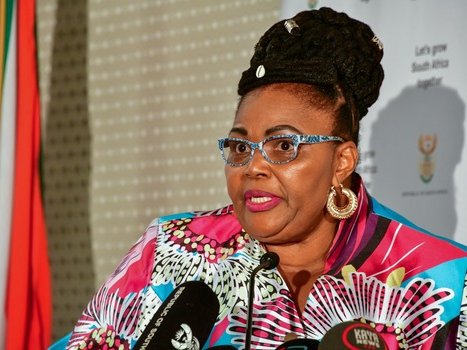
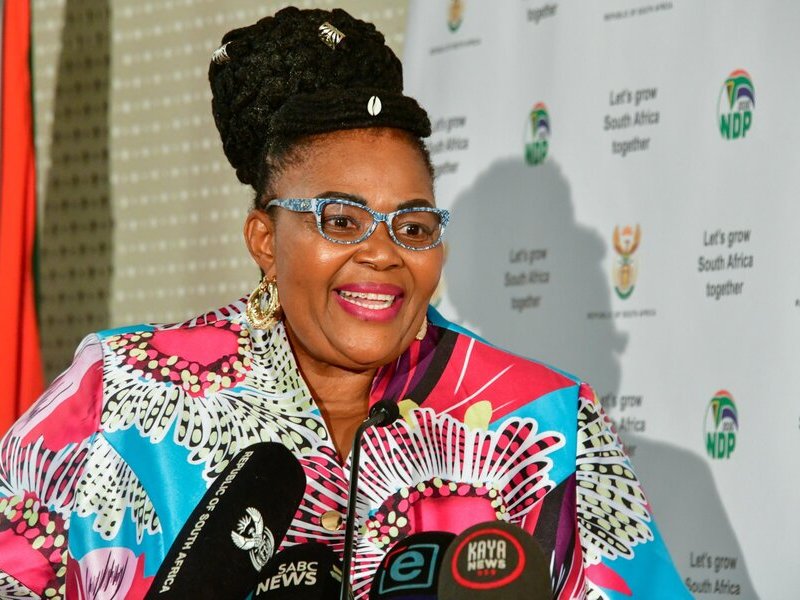
Water and Sanitation Minister Pemmy Majodina announced a 7% reduction in domestic and industrial water allocations and a 15% cut in irrigation allocations following the department’s annual operating analysis of the Western Cape water supply system for the 2026/27 hydrological year.
The restrictions will reduce water allocations by approximately 56.3 million cubic metres annually, representing an 11% reduction in the system’s total allocation.
Briefing the media on Monday, Majodina said the measures were necessary to protect the province’s water reserves and prevent a repeat of the 2017 drought crisis, when Cape Town came close to running out of water as dam levels plunged during a prolonged drought.
The combined storage levels of the Western Cape water supply system stood at 72.5% on 2 November, compared with 84.4% during the same period last year.
The current storage level is also 11.9 percentage points below the 10-year average of 84.9% and below the department’s preferred operational threshold of 80%.
ALSO READ: Tow-truck boss Naicker denies paying for Loftus murder, disputes claims of R2.5m hit
Cape Town’s dam levels were reported at 71.5%.
“Now it gives the reasons why we are imposing some restrictions because we have to save Western Cape and ensure that we don’t approach or meet Day Zero,” Majodina said.
The department attributed the decline largely to below-normal rainfall during the 2026 winter rainfall season, with rainfall over the past three years remaining below the long-term average.
Majodina warned that an extreme El Nino event could worsen the situation through higher temperatures, increased evaporation and reduced runoff into dams.
She said modelling by water resource specialists showed that continuing to use existing water allocations without intervention would substantially increase the risk of water shortages and mandatory restrictions from 2027.
“Future water security could be compromised if current demand reduction measures are not strengthened,” Majodina said.
The minister, however, stressed that the restrictions were precautionary and that the water supply system remained operationally stable and capable of meeting current demand.
Acting Director-General of the department Risimati Mathye said the restrictions were being introduced before the situation reached disaster levels.
He said agricultural water use remained below its allocation threshold of 25%, while domestic consumption was also below its 10% threshold.
The department initially considered an 18% reduction in irrigation allocations but lowered it to 15% following concerns raised by the agricultural sector ahead of the planting season.
Provincial head of the department in the Western Cape, Ntombizanele Bila-Mupariwa, said the restrictions would be gazetted before implementation dates were confirmed.
ALSO READ: Transport department receives 144 proposals for passenger rail revival
She added that the department would review the water resource system every three months to monitor changing conditions and determine whether adjustments were necessary.
The department also identified several municipalities in the province with non-revenue water losses above 30%, including Beaufort West at 65.9%, Theewaterskloof at 41%, Matzikama at 38.6%, George at 36.5%, Cederberg at 34.9%, Bitou at 33.8% and Stellenbosch at 33.3%.
Majodina said these municipalities had been alerted to address their water losses and improve infrastructure management.
“Saving water is a collective responsibility. Water conservation is no longer a temporary response to drought. It must become a permanent feature on how we manage this precious resource,” she said.
The department said it would continue monitoring dam levels, rainfall patterns and water demand throughout the year, while infrastructure projects such as the raising of the Clanwilliam Dam wall were expected to improve long-term water security in the province.