By Lesley Green, Cecilia Yejide Ojemaye, Jo Barnes, Leslie Petrik, Nikiwe Solomon and Vanessa Farr
Urban water bodies – rivers, lakes and oceans – are in trouble globally. Large sewage volumes damage the open environment, and new chemicals and pharmaceutical compounds don’t break down on their own. When they are released into the open environment, they build up in living tissues all along the food chain, bringing with them multiple health risks.
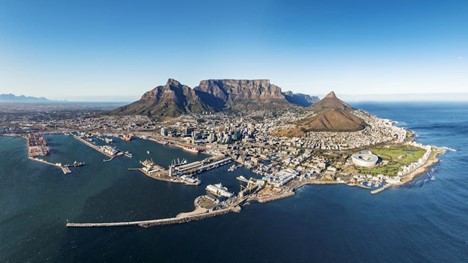
The city of Cape Town, South Africa, is no exception. It has 300km of coastline along two bays and a peninsula, as well as multiple rivers and wetlands. The city discharges more than 40 megalitres of raw sewage directly into the Atlantic Ocean every day.
In addition, large volumes of poorly treated sewage and runoff from shack settlements enter rivers and from there into both the Atlantic and the Indian Oceans.
Over almost a decade, our multi-disciplinary team, and others, have
You’ve reached your free article limit
Subscribe to enjoy unlimited access to trusted journalism. Start your free trial today.
Start your FREE trial nowNeed help? molokom@insideeducation.co.za