spot_img

Morero rejects Joburg Day Zero claims, sets up water war room

-Advertisement-spot_img

Must read

By Thapelo Molefe

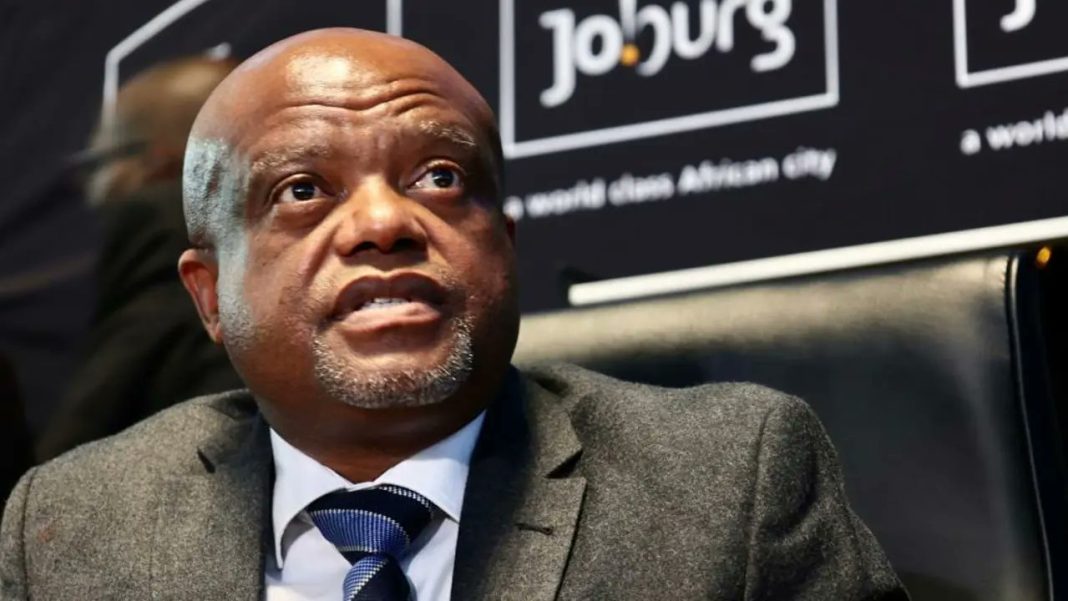
Johannesburg Mayor Dada Morero has pushed back against claims that the city is approaching a “Day Zero” water crisis, insisting that while supply challenges persist, the city is far from running out of water.

Speaking at a media briefing on Wednesday, Morero outlined ongoing efforts by the city and Joburg Water to stabilise supply, including the activation of a dedicated “war room” to monitor reservoir levels, water pressure, and the deployment of tankers. 

ALSO READ: O’Sullivan on the defensive: five things that irked MPs

The war room, he said, allows officials to respond in real time to bursts, leaks, and service interruptions across the city’s sprawling water network.

“While some residents are experiencing interruptions, Johannesburg is not approaching Day Zero. The war room allows us to prioritise resources and intervene where needed,” Morero said.

Residents and community groups have expressed anger at prolonged outages, collapsing pressure, and erratic supply across large parts of the city. The city has been battling water disruptions for years, the result of poor management of resources and inadequate infrastructure maintenance, exacerbated by corruption.

On Tuesday, the People’s Water Forum, a coalition of activists, residents, and water experts including WaterCAN, delivered a letter to President Cyril Ramaphosa urging urgent intervention and a national disaster declaration.

“Johannesburg residents are already living Day Zero,” said Ferrial Adam, Executive Director of WaterCAN. 

ALSO READ: Civil society asks Ramaphosa to block murder-accused Solly Lechoenyo’s Special Forces promotion

“Water tanks should never become the norm. They are meant to be an emergency measure, not a substitute for a functioning water system. We urge the President to act decisively and visibly. Johannesburg cannot afford further delay.”

The forum is calling on organisations and partners to endorse their letter by Thursday, emphasising that coordinated national action is necessary to address what they describe as a crisis impacting millions of residents.

“Johannesburg cannot wait for infrastructure to catch up while millions go without reliable water,” Adam said.

Morero acknowledged the scale of the challenge but stressed that the city is actively working to restore and stabilise water supply. He said demand currently exceeds allocation from Rand Water, with daily consumption at about 1,750 megalitres compared with the target of 1,550 megalitres. 

To manage this, Joburg Water is implementing night-time throttling and telling residents to conserve water and avoid using potable water for non-essential purposes.

ALSO READ: O’Sullivan rejects spy claims, outlines background before Parliament committee

“Residents should preferably water gardens after 6pm in the evening, but at this stage, we urge them to avoid using clean water unnecessarily. Recycling water where possible is encouraged to reduce demand,” Morero said.

Infrastructure issues remain a major concern. In Soweto, some reservoirs are critically low, including Crown Gardens at 26% capacity and Eagle’s Nest at 5%. 

Power Park is at 4% and Glenvista at 20%. Other areas have seen improvements: Grand Central reservoirs are now at 55% and President Park at 57% after a leak at the Klipfontein Reservoir was addressed.

Morero said Joburg Water is refurbishing damaged infrastructure, bypassing the Jabulani Reservoir to maintain Soweto supply, and working on new storage solutions.

The Hursthill 1 and 2 reservoirs are being upgraded, and a new reservoir and tower with 37 million litres of capacity in Region B is expected to be fully operational by the end of February.

He also addressed recent workforce disruptions. A go-slow by Joburg Water staff over bonus disputes was resolved after management and the South African Municipal Workers’ Union reached an agreement, averting a potential strike.

ALSO READ: IPID says forensic gaps, budget strain and non-compliant metros weaken police oversight

While the city continues to deploy tankers, Morero stressed that these are a stopgap, with long-term focus on boreholes, infrastructure upgrades, and alternative supply sources.

He said that Johannesburg’s network spans 12,000 kilometres, with over 150 kilometres of pipes in the CBD alone requiring replacement, a process projected to cost billions.

Journalists at the briefing pressed Morero on inconsistencies in supply, particularly why neighbouring streets experience drastically different levels of service, and billing for water that residents do not receive. The mayor said Joburg Water is addressing these gaps and working with communities to ensure equitable distribution.

“While the challenges are significant, the city is confronting them head-on. The war room, our infrastructure projects, and ongoing collaboration with Rand Water and national authorities are all part of ensuring Johannesburg’s water supply is restored and stabilised,” Morero said.

INSIDE METROS

-Advertisement-spot_img

More articles

LEAVE A REPLY

Please enter your comment!
Please enter your name here

QCTO

spot_img

AVBOB STEP 12

spot_img

Inside Metros G20 COJ Edition

spot_img

JOZI MY JOZI

spot_img

Inside Education Quarterly Print Edition

spot_img

Latest article