By Joanna Watterson
South Africa’s electricity system is changing. After years of blackouts until 2024, the state-owned energy company Eskom is being unbundled into smaller companies, and the sector is increasingly open to private investment.
Households, businesses and municipalities are finding ways to rely less on the national grid and switch to renewable energy – a process known as off-gridding.
Meanwhile, South Africa has raised $13.7 billion to move away from coal-fired electricity (to be spent on renewable energy projects).
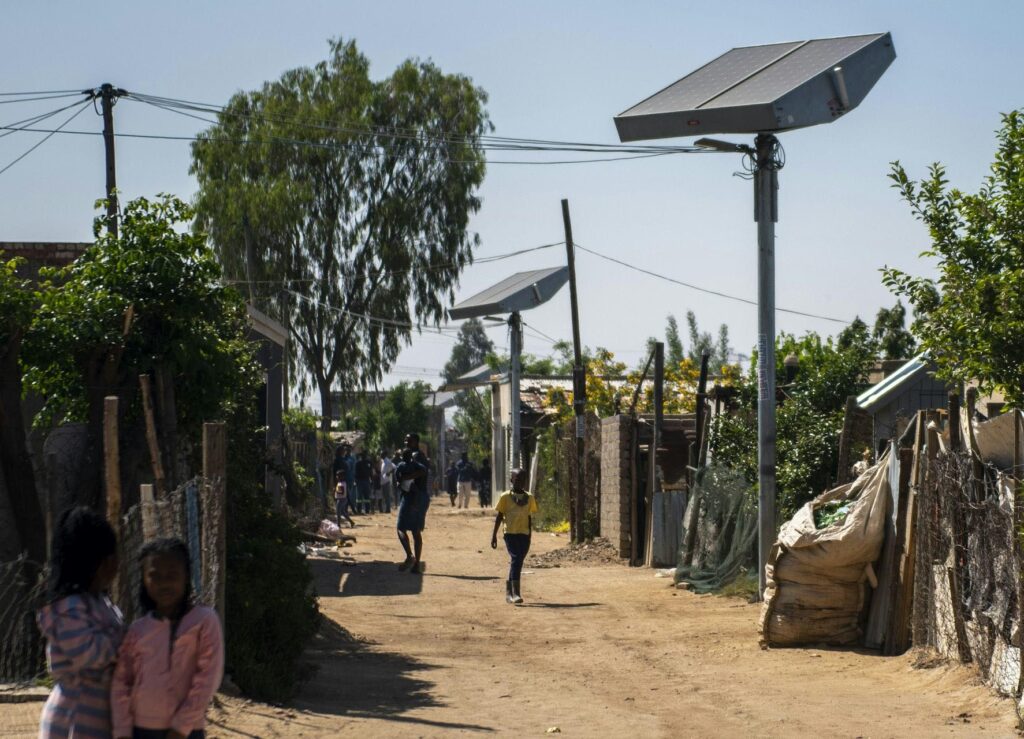
But urban households that have never been connected to the national grid (such as shack settlements) are largely absent from these plans. This creates a policy blind spot where solar mini-grids could play a critical role.
I’m writing a PhD on off-gridding and what it means for higher- and lower-income households in South African cities. I interviewed local government officials in Cape Town and Johannesburg, private sector energy generators and distributors, and households across income groups in
You’ve reached your free article limit
Subscribe to enjoy unlimited access to trusted journalism. Start your free trial today.
Start your FREE trial nowNeed help? molokom@insideeducation.co.za