Julia Fish
Most South Africans remember the electricity crisis pop-ups on television urging households to cut demand: switch off geysers, delay running pool pumps, and use less power during peak hours.
Remarkably, many of us listened. Peak demand dropped, and over time millions of households and businesses invested in solar panels, inverters and backup systems.
The long-term result has been a structural shift – growing share of electricity consumption is now self-supplied rather than purchased from municipal grids.
In response, municipalities have introduced registration requirements for embedded generation and have adjusted tariffs to protect grid stability and recover costs as sales volumes decline.
In other words, the grid still has to be maintained even when fewer units are sold.
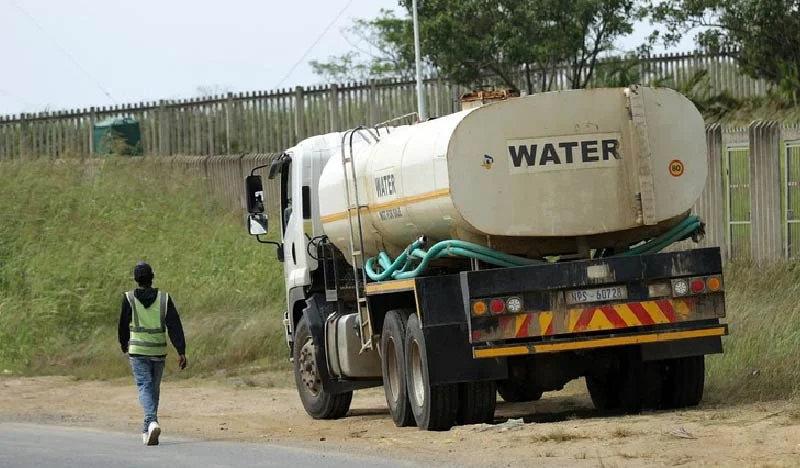
A similar dynamic is now unfolding in water, and it carries a warning that municipal leaders, residents and policymakers should not ignore.
South Africa is a water scarce country. We need
You’ve reached your free article limit
Subscribe to enjoy unlimited access to trusted journalism. Start your free trial today.
Start your FREE trial nowNeed help? molokom@insideeducation.co.za