spot_img

Gauteng launches African neurodiversity body to boost autism research

-Advertisement-spot_img

Must read

By Charmaine Ndlela

The Gauteng Department of Education has launched the African Neurodiversity Association and the African Journal of Neurodiversity, in a move aimed at strengthening autism research, advocacy, and support from an African perspective.

The initiative was unveiled at the University of South Africa’s Muckleneuk campus in Pretoria on Wednesday, as part of commemorations linked to World Autism Awareness Day.
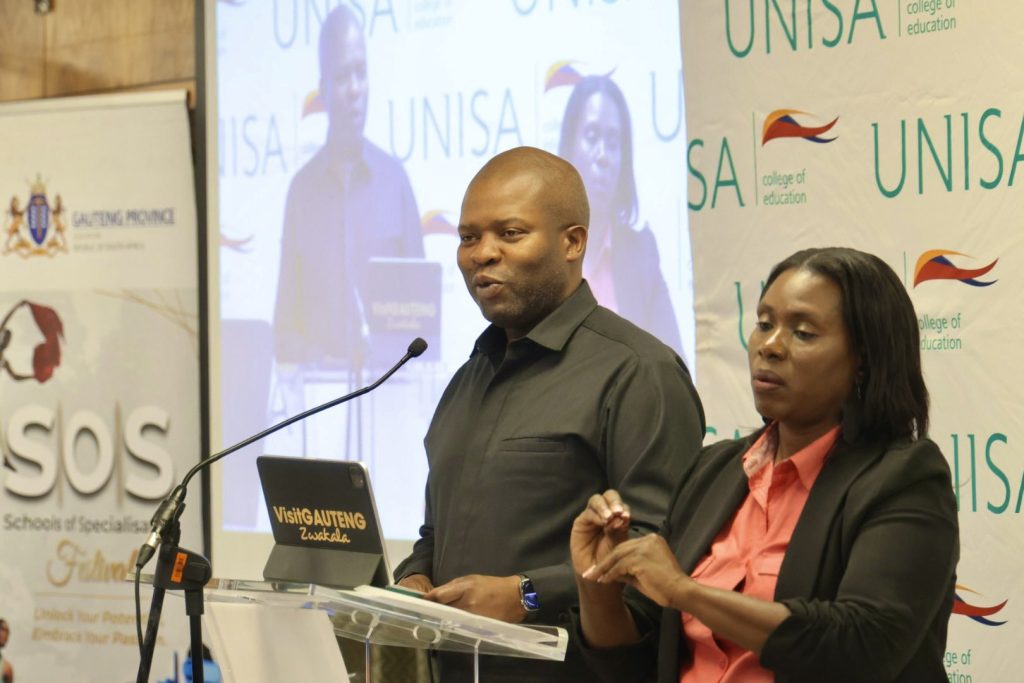
Delivering his keynote address, Gauteng MEC for Education Lebogang Maile said the launch marked an important step towards addressing gaps in research, policy and support for neurodiverse individuals.

ALSO READ: Gina takes graduate opportunities to rural KZN

“The African Journal of Neurodiversity aims to advance knowledge of neurodiversity and neurodiverse individuals from an Afrocentric perspective,” Maile said.

He said the journal would publish research, case studies, policy briefs and practical tools focused on neurodevelopmental conditions within the African context.

“These contributions will help us better understand neurodiversity in our communities and improve support for individuals and families,” he said.

The initiative is supported through partnerships with the universities of Johannesburg, Pretoria and the North-West, as well as organisations such as Autism South Africa and other stakeholders in the health and education sectors.

Maile said the move also responded to the shortage of African-led research in the field of autism and neurodiversity.

“While the majority of autistic individuals live in low- and middle-income countries, very little research originates from regions such as sub-Saharan Africa,” he said.

“[A]pproximately 95% of low autistic individuals live in low -and middle- income countries, [but] less than 1% of global autism research originates from regions such as sub-Saharan Africa,” he said.

ALSO READ: Maile to conduct oversight visit at Bovet Primary School

“This has led to an over-reliance on Western models that do not always reflect our cultural and linguistic realities.”

Maile said the Gauteng government had expanded access to education and support services for autistic learners.

“As of 2026, there are eight autism-specific schools in the province, with four located in townships,” Maile said.

He said resources provided at these schools included curriculum kits, autism-specific playground equipment, therapeutic and sensory regulation equipment, access to social workers for parents, and skills development programmes.

He added that 35 special schools support autistic learners through dedicated units or inclusive programmes.

“To date, over 5,000 parents, educators and community members have been trained in autism awareness, teaching strategies and behaviour management,” he said.

Four schools — Futura Special School, Randburg Clinic School, Via Nova School and Curamus School for Autism — have been designated as resource centres and are implementing a parent support programme developed by the World Health Organisation.

“We are working to ensure that parents and communities are equipped to support autistic individuals where they live,” Maile said.

Maile said 60 parents were expected to complete a 13-week programme that would equip them to become support champions within their communities.

“We must move beyond awareness towards acceptance and inclusion, as emphasised by the United Nations,” he said.

“Our goal is to build a society where autistic and other neurodiverse individuals can thrive.”

INSIDE METROS

-Advertisement-spot_img

More articles

LEAVE A REPLY

Please enter your comment!
Please enter your name here

QCTO

spot_img

AVBOB STEP 12

spot_img

Inside Metros G20 COJ Edition

spot_img

JOZI MY JOZI

spot_img

Inside Education Quarterly Print Edition

spot_img

Latest article