Staff Reporter
The first phase of the R11 billion Lower uMkhomazi Bulk Water Supply Scheme is nearing completion and is expected to be commissioned before the end of the year, eThekwini Municipality said.
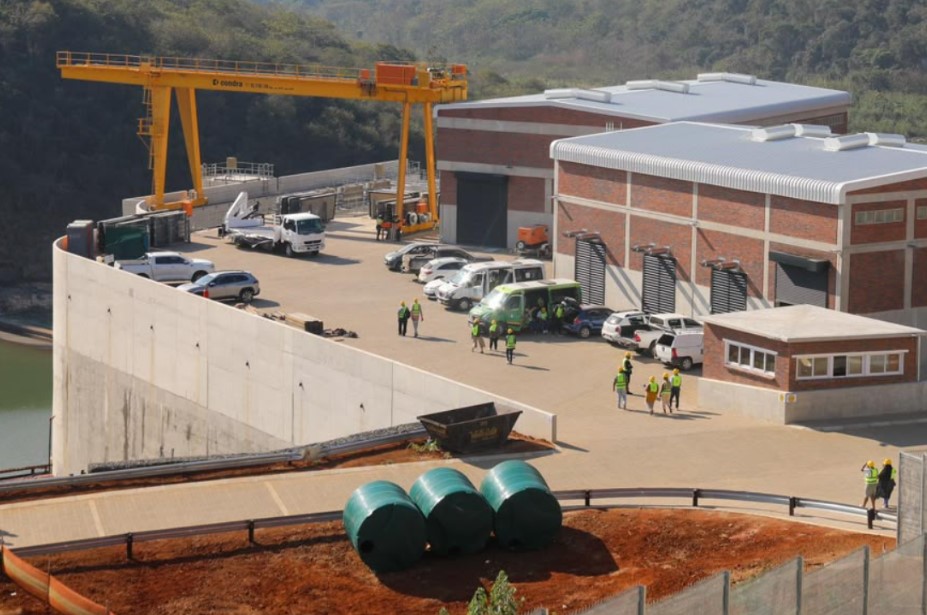
The municipality said only minor outstanding works were still being attended to by engineers and project managers on the first phase of the scheme, which will abstract raw water from the uMkhomazi River to augment supply to Durban South communities, including Isiphingo, Umbogintwini, Umgababa and Craigieburn.
The project is being advanced as eThekwini continues to face intermittent water supply, pressure on reservoirs, high water losses and infrastructure failures that have repeatedly affected households and businesses across the metro.
Members of the Presidential eThekwini Working Group, together with a delegation from the Presidency, national and provincial departments, eThekwini Municipality’s leadership and members of the media, visited the construction site on Thursday.
The delegation received a technical briefing, conducted a site walkabout and was updated on the progress of “critical infrastructure” aimed at addressing water supply failures in the south of Durban.
The site visit followed a morning media roundtable led by eThekwini Mayor Cyril Xaba, who outlined milestones achieved by the city with the support of the Presidential eThekwini Working Group.
The uMkhomazi Water Scheme is regarded by the municipality as a catalytic infrastructure project that is expected to strengthen water security, support economic growth, improve quality of life across eThekwini and help restore investor confidence.
Xaba said the scheme would play a key role in securing water supply to the south of the city.
“We are making significant strides with the Lower uMkhomazi Bulk Water Supply Scheme. Last week, we introduced the contractor who will commence with the second phase of the Water Treatment Works. This is the final phase of the R11 billion project, which includes a storage dam, a water abstraction point, and a water treatment plant.
“Upon completion, the project will produce 100 megalitres of water per day, of which 75 megalitres will be supplied to eThekwini Municipality. This volume will be sufficient to supply all areas in the south, from Isiphingo to uMkhomazi.”
The Department of Water and Sanitation has previously said eThekwini’s water disruptions were caused by treated-water demand exceeding available supply, with rapid population growth and leaks in the municipal distribution network contributing to depleted reservoirs.
It also said uMngeni-uThukela Water had been exceeding abstraction limits from the uMngeni Water Supply System, prompting curtailment measures.
The pressure has been worsened by infrastructure failures. In March, uMngeni-uThukela Water said a damaged valve affecting raw water supply to the Durban Heights Water Treatment Works had created an estimated 150 megalitre-per-day deficit to the eThekwini Metro before supply was restored.
The Presidency has also identified water as a key concern in eThekwini, with President Cyril Ramaphosa saying in March that non-revenue water in the municipality stood at 55%, representing “lost revenue, lost capacity and lost opportunity”.
Xaba said the project had experienced delays due to legal processes, but that uMngeni-uThukela Water had committed to ensuring that communities begin receiving water from the scheme by the end of next year.
INSIDE METROS