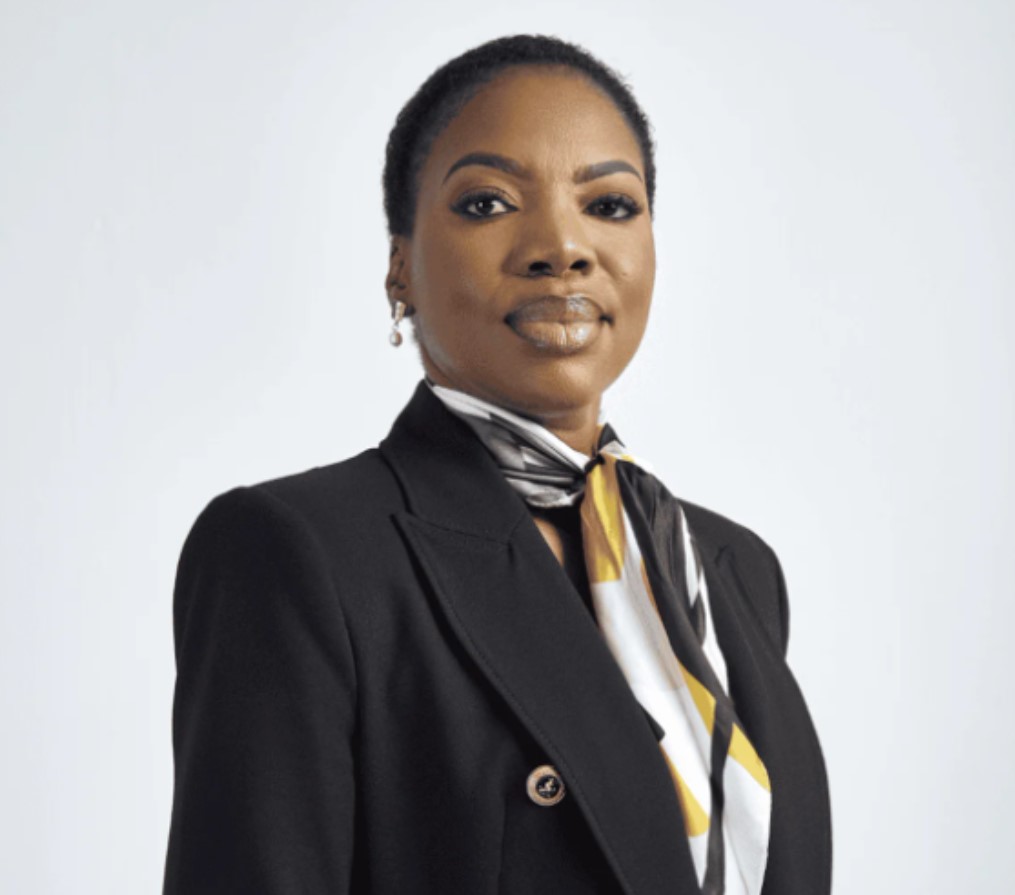
By Akani Nkuna
Build One South Africa deputy leader and MP Nobuntu Hlazo-Webster has pitched a reinvention of Johannesburg, promising to move the city beyond “nostalgia”, stabilise coalitions and overhaul fragmented municipal entities if elected mayor.
The announcement of her candidacy was made in Bryanston on Thursday evening.
“I am not interested in building a Johannesburg that once existed 40 years ago, 20 years ago or even 14 years ago. You will hear other [mayoral candidates] speak about the nostalgia of Johannesburg; what Hillbrow was like in the apartheid years and rebuilding that,” she said.
“That city served its time. It was shaped by a different moment and a different agenda. It was shaped by different pressures, different possibilities. We cannot govern a future city by nostalgia. We cannot solve present failures by trying to rewind the clock. The Johannesburg of 2035 must serve the people of its time.”
Hlazo-Webster said Johannesburg’s potential remained largely untapped, despite continued interest from families, entrepreneurs and professionals who want to live, work and invest in it.
She said her own experience of Johannesburg, from her years as a student to her career as a businesswoman, had shown her that the city was producing far less than it could in investment, economic growth, and other strategic sectors.
“[The city] requires more than restoration; it requires reinvention. We are not building back; we are building forward. We are building a modern African city that is confident in its identity, that is uncompromising in its standards and bold in its ambition.”
She said Johannesburg still showed signs of potential and possibility, adding that many young people in townships continued to imagine a future for themselves in the city.
But she warned that “possibility cannot exist on top of dysfunction”, citing water supply disruptions, electricity instability and infrastructure decay among the major challenges weakening the relationship between the city, residents and businesses.
“There is a growing erosion of confidence in the leadership of the city and in the ability of the city to correct itself. We have to look at reforming the systems that govern Joburg. We have to look at the structure and the machinery of execution, because cities do not fall in a dramatic moment. They fall over time.”
She pledged to improve collaboration and cohesion between the city’s entities to strengthen service delivery. She said having a large number of municipal entities allowed mayors to evade accountability.
She also proposed accelerating decision-making, saying that some major service delivery backlogs were the result of indecisive leadership.
She said she would address fragmentation within the city’s entities, reduce duplication, and streamline overlapping mandates to enable faster intervention and improved service delivery.
“We will stabilise coalition governments. Johannesburg cannot afford constant political uncertainty at the expense of delivery. That means that the integrity of leadership and collaboration has got to matter more than politicking.”
INSIDE METROS