By Rali Mampeule
Across Africa, voters have demonstrated an increasing willingness to reconsider long-standing political loyalties when they believe governments and political institutions are no longer meeting their expectations.
South Africa is entering its own period of profound political change. The ANC lost its national parliamentary majority in the 2024 general election.
Now, as the country approaches another local-government election, the political environment is being shaped by internal party disputes, litigation, questions of accountability and growing competition for voters who no longer regard their political allegiance as permanent.
The political ground is shifting
At MOVE SA, our structures are reporting significant political movement at community level. Our internal assessment is that the governing party has experienced substantial membership losses in recent weeks.
Figures being reported to MOVE structures suggest losses of approximately 30% in some measurements over a four-week period. These are MOVE SA’s figures and should not be confused with independently audited national ANC membership statistics.
We are also tracking what MOVE counts as approximately 22 pending or recently active court matters involving political leaders and structures from regional to national level.
Again, the significance of these cases must be considered individually: the existence of litigation does not establish wrongdoing, and allegations remain allegations unless determined by a court.
But the broader political environment is undeniable.
The ANC recently suffered a major electoral setback before voting had even begun when 181 of its candidates were excluded after its candidate-submission process was not completed by the Electoral Commission’s deadline. The Electoral Court subsequently dismissed the ANC’s challenge to those exclusions.
There has reportedly also been internal pressure surrounding ANC Secretary-General Fikile Mbalula over the candidate-list controversy.
Mbalula now faces a separate legal matter. The NPA has decided to prosecute him for crimen injuria following representations by AfriForum’s Private Prosecution Unit relating to statements allegedly made about former Bergview College principal Jaco Pieterse. Mbalula is accused, and the matter remains to be determined by a court.
EFF President Julius Malema faces a separate crimen injuria prosecution arising from statements concerning the same former principal. Malema has also been convicted in a separate firearm-related case and has pursued an appeal against those convictions and sentence.
These developments should not be used to prejudge anybody before the courts. But politically, they illustrate something much bigger.
South Africans are entering an era in which political organisations and their leaders are being subjected to intense scrutiny — by voters, courts, civil society, the media and their own members.
No political party owns the South African voter
This is where I believe the lesson from the changing politics elsewhere in Africa becomes particularly relevant. The political landscape is no longer frozen. A liberation history, a famous political brand or decades of electoral dominance cannot substitute indefinitely for functioning municipalities.
South Africans increasingly have the opportunity to judge political organisations according to what happens where they actually live. Is there water? Is the electricity working? Is refuse being collected? Are roads maintained? Are streetlights working? Can entrepreneurs obtain municipal approvals? Are informal traders able to earn a living? Can young people find economic opportunities? And when something goes wrong, does anybody answer the telephone?
That is where the next South African political contest will be fought. Not simply in Parliament. Street by street. Ward by ward. Municipality by municipality.
Why MOVE SA believes its model is different
MOVE SA’s assessment from our community engagements is that our local-first model is resonating with residents we meet on the ground. We do not present that as an independent opinion poll. Ultimately, the ballot box — not our own assessment — will determine how broadly that support translates electorally.
But what people repeatedly tell our teams is instructive. They want politics that comes back to their communities. They want leaders they can see. They want councillors who answer. They want entrepreneurship supported rather than suffocated by bureaucracy. They want corruption confronted. They want municipalities that work.
That is why our proposition is:
Lead Local.
MOVE SA believes that South Africa needs a new generation of locally rooted leadership where councillors and mayors are measured against visible outcomes rather than political rhetoric. Our political model starts with the community, not the headquarters of a political party.
The local-government election could become a defining political moment
South Africa’s political transition did not end in 1994. Democracy means that political power must continually be earned. The ANC’s loss of its national majority in 2024 demonstrated that historical dominance does not guarantee permanent electoral dominance.
The present turbulence across South African politics — including internal disputes, litigation and the ANC’s recent candidate-registration problems — comes as voters prepare to make another important choice about who should govern their municipalities.
The outcome belongs entirely to them. MOVE SA will put its proposition before those voters: Local government must work. Leadership must be accountable. Entrepreneurs must be enabled. Communities must lead.
Public representatives must earn the confidence of the people they seek to serve. Africa has already shown that voters can change political direction when they decide that the status quo no longer serves them. South Africans will make their own decision. And this time, that decision will be made where politics matters most: At home, in our streets, in our wards and in our municipalities.
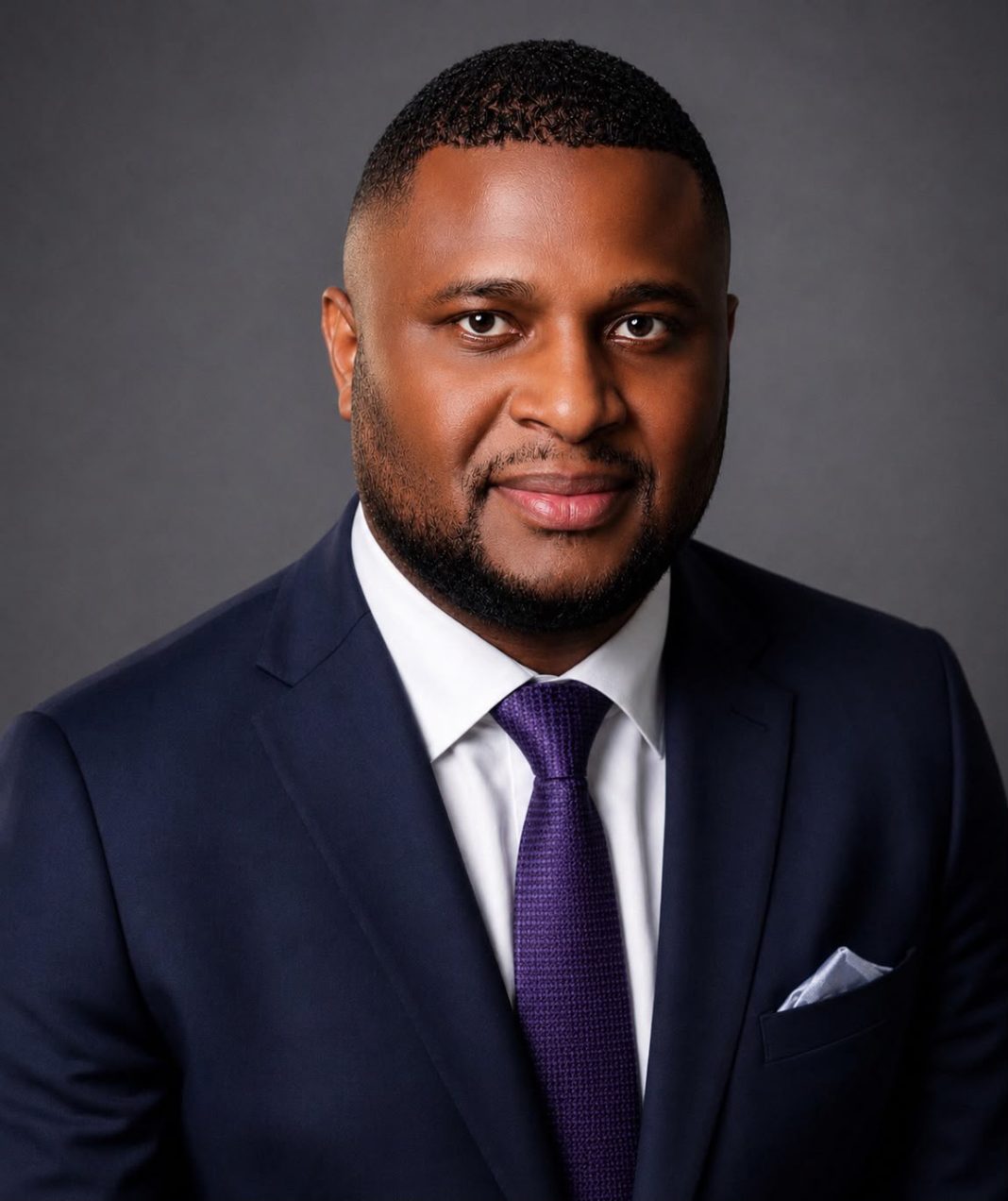
Rali Mampeule is the president of MOVE SA and serves as the party’s mayoral candidate for Johannesburg in the 2026 local government elections.
INSIDE METROS