By Johnathan Paoli
Johannesburg’s incoming coalition administration will have to tackle the city’s financial crisis, rebuild its failing infrastructure and restore a culture of accountability if it hopes to reverse years of deteriorating service delivery.
While stabilising municipal finances will be essential to restoring the city’s ability to deliver services, this cannot become an excuse for neglecting residents’ immediate needs, according to local government expert Paul Berkowitz.
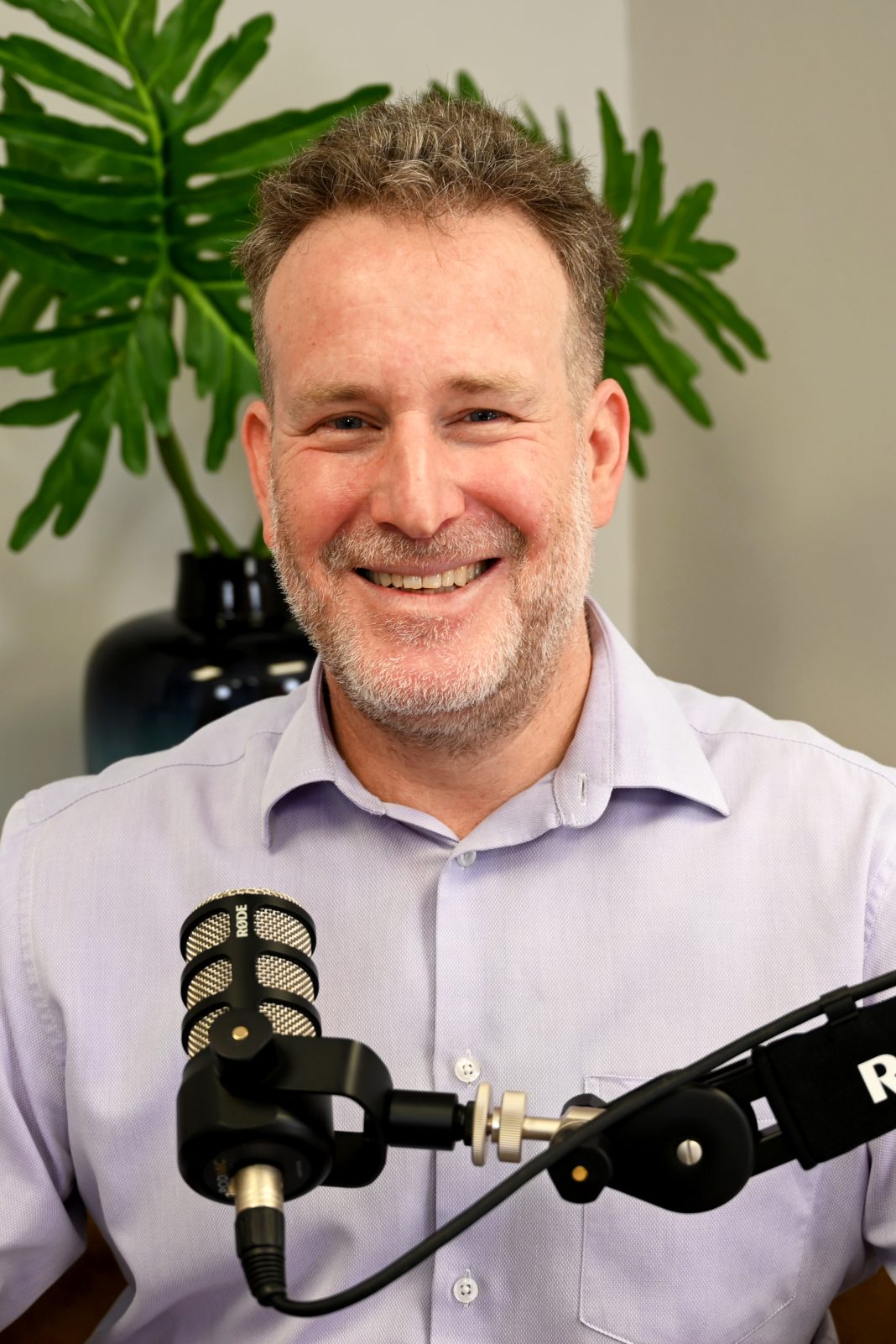
“I would say I’m concerned that we, as Johannesburg, can’t sacrifice service delivery in favour of prioritising fiscal austerity,” he told the Inside Metros podcast.
Berkowitz said the city’s revenue collection rate, which he estimated was hovering between 60% and 65%, needs to increase to at least 80% or 85% to ensure the municipality can meet its financial obligations and invest in infrastructure.
He said improving revenue collection, addressing billing problems, and preventing money from being lost through theft and financial mismanagement will be important first steps.
But he stressed that the city also needs to reconsider its staffing structure, particularly the number of political appointees and the loss of technical expertise within municipal administrations.
“I would like to think it’s possible to do both. I would like to think, I’m not an insider, that if you could raise the collection rate, and you could stop the theft and the leaking of money. And you could also take a look at the number, the hundreds of political appointees in the city that have been appointed over the last 30 years,” he said.
“And maybe we don’t need those people. We need the hundreds of engineers and technical people that have been shed across the metros in the last 20 years. But I think we have some bloat in middle management in Joburg,” he added.
Water and electricity are among the most urgent service delivery problems facing the city. This is partly because of years of underinvestment and the failure to ring-fence revenue generated by municipal services.
Berkowitz said money collected from water and electricity services must be reinvested in maintaining and improving those services rather than diverted elsewhere.
As an example, he cited a decision in February to cut R800 million from the electricity repairs and maintenance budget to write off old debt. This represented 40% of that budget.
He said the city’s financial problems will not be resolved by the municipality alone, pointing to the presidential task team and National Treasury intervention as important sources of support.
In September, Finance Minister Enoch Godongwana announced that the Treasury will lead a three-year intervention to stabilise Johannesburg.
The year before, the presidential working group was established
because of concerns about deteriorating municipal services, infrastructure, governance and the city’s financial sustainability.
Berkowitz also said that residents should begin seeing tangible improvements during the first 100 days of the incoming administration, although he acknowledged that some interventions will take longer to implement.
“We’ve had our expectations managed so low. So low. We’ve really settled for less in Joburg over the last 15, 20 years,” he said.
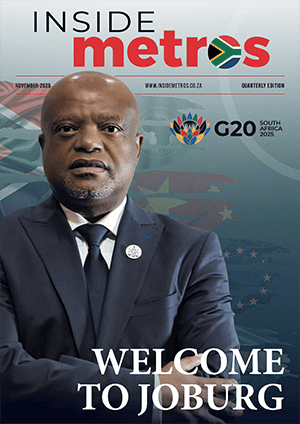
Catch the full Inside Metros podcast with Berkowitz as he examines what it will take to rebuild Johannesburg.