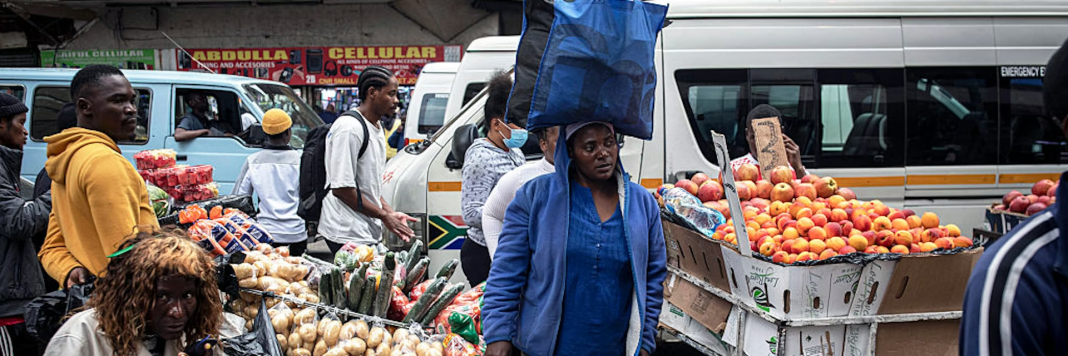
Johannesburg’s inner city is a bustling hub of economic life – a dense, dynamic web of informal traders, adjacent businesses and other users. Informal trading remains an essential survival strategy for many households. It is also a key source of affordable goods and services.
Managing this activity, however, is not straightforward. The city authorities face legitimate pressures to maintain order, safety, hygiene and accessibility in highly contested urban spaces. At the same time, they have a mandate to support livelihoods and encourage inclusive economic participation.
Balancing these objectives is complex. But, as urban planners and researchers, we believe it’s possible and necessary. It needs to be done in a way that recognises the realities of both municipal constraints. These include budgets, conflicting political pressures and traders’ contributions. Traders generate local economic activity and provide convenient, affordable goods and services.
Johannesburg’s informal trading sector should not be viewed as a problem
You’ve reached your free article limit
Subscribe to enjoy unlimited access to trusted journalism. Start your free trial today.
Start your FREE trial nowNeed help? molokom@insideeducation.co.za