-Advertisement-spot_img
spot_img

Johannesburg has failed its informal traders: policies are in place, but action is needed

-Advertisement-spot_img

Must read

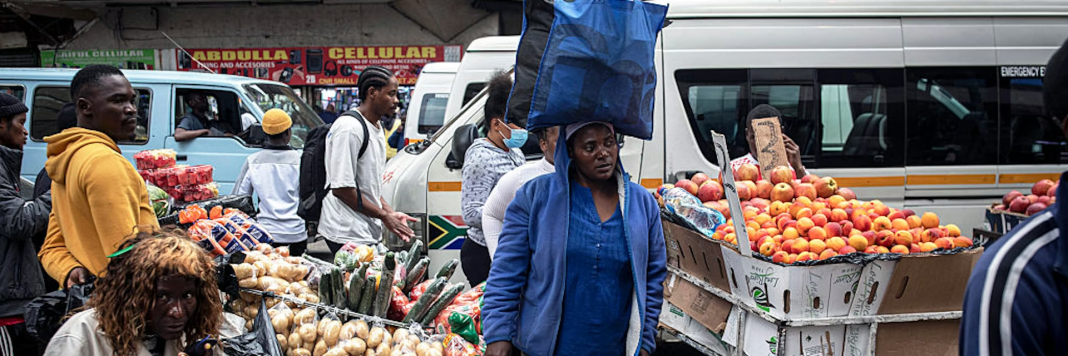
Johannesburg’s inner city is a bustling hub of economic life – a dense, dynamic web of informal traders, adjacent businesses and other users. Informal trading remains an essential survival strategy for many households. It is also a key source of affordable goods and services.

Managing this activity, however, is not straightforward. The city authorities face legitimate pressures to maintain order, safety, hygiene and accessibility in highly contested urban spaces. At the same time, they have a mandate to support livelihoods and encourage inclusive economic participation.

Balancing these objectives is complex. But, as urban planners and researchers, we believe it’s possible and necessary. It needs to be done in a way that recognises the realities of both municipal constraints. These include budgets, conflicting political pressures and traders’ contributions. Traders generate local economic activity and provide convenient, affordable goods and services.

Johannesburg’s informal trading sector should not be viewed as a problem to eliminate. Rather, it should be managed effectively. The focus for the city should be on improving how this is done.

The city has a chequered history of managing informal traders. In October 2025, Johannesburg authorities removed informal traders from De Villiers Street in the heart of the city’s central business district. The city went on to expand the operation to other inner-city areas and townships to promote “order” and “cleanliness”.

This approach was reminiscent of the 2013 Operation Clean Sweep, which disrupted livelihoods and increased urban inequality and violence.

After the events in 2025, the Gauteng High Court ruled in favour of traders who took the city to court.

But the court’s ruling has not been implemented.

The city’s 2022 informal trading policy provides a roadmap for a different approach. It provides a structured framework that includes:

  • recognising informal traders as essential contributors to the urban economy
  • setting out clear procedures for registration, spatial planning, permit processes

You’ve reached your free article limit

Subscribe to enjoy unlimited access to trusted journalism. Start your free trial today.

Start your FREE trial now

Need help? molokom@insideeducation.co.za

-Advertisement-spot_img

More articles

LEAVE A REPLY

Please enter your comment!
Please enter your name here

Inside Education Quarterly Print Edition

spot_img

CATHSSETA

spot_img

QCTO

spot_img

AVBOB STEP 12

spot_img

Inside Metros G20 COJ Edition

spot_img

JOZI MY JOZI

spot_img

Inside Education Quarterly Print Edition

spot_img

Latest article