Staff Reporter
eThekwini Municipality has started strengthening its emergency response planning with Sasol and other agencies for communities living near high-risk petroleum pipeline servitudes.
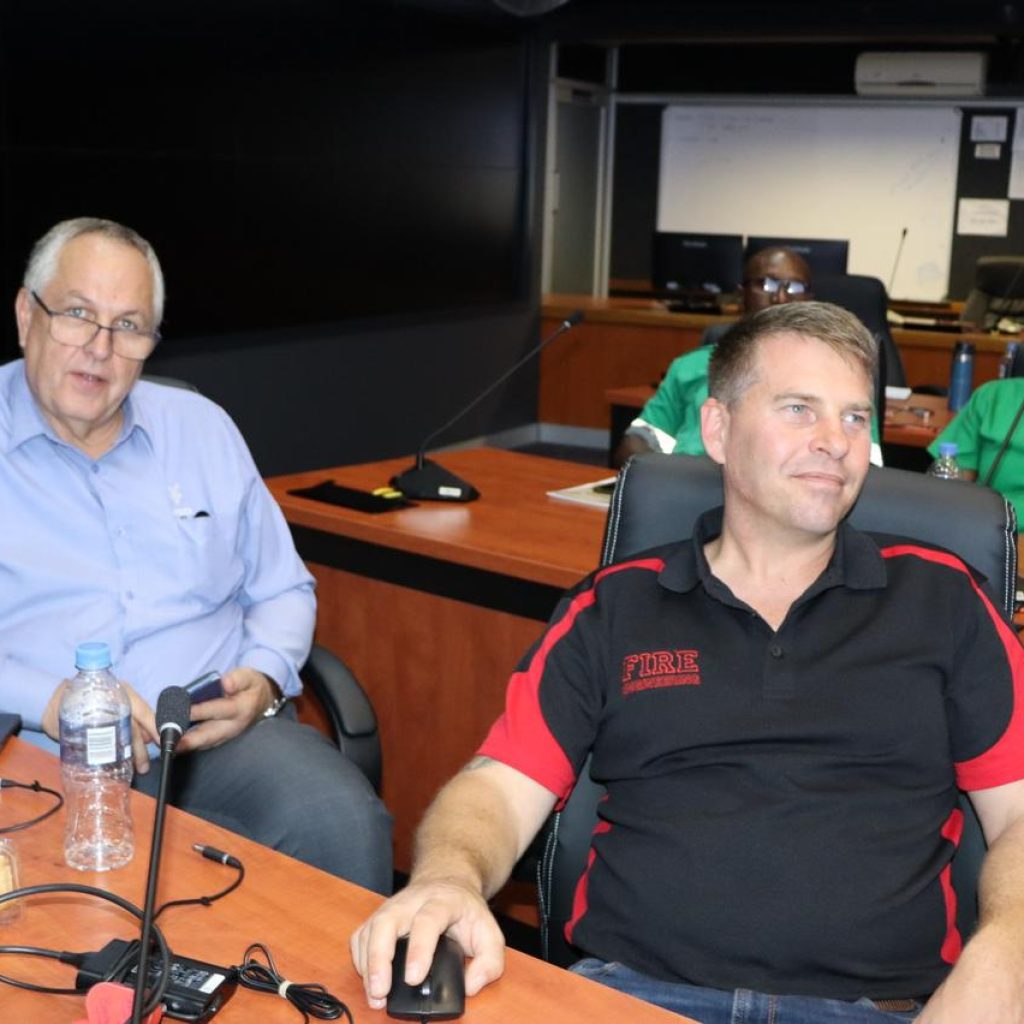
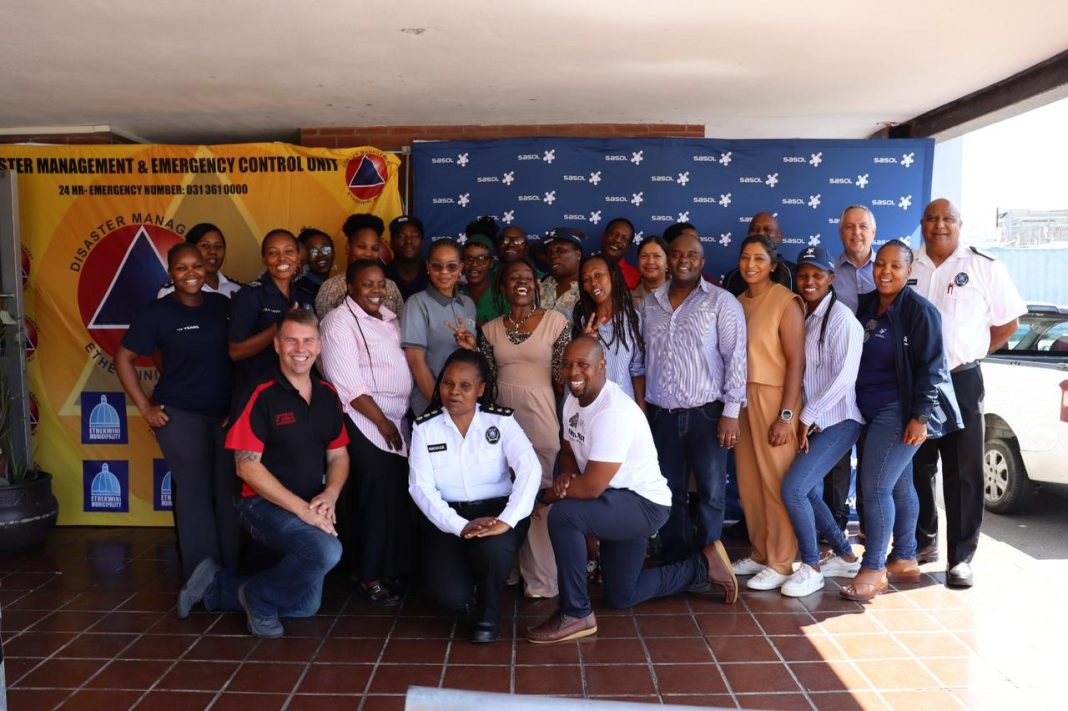
The municipality hosted an Emergency Response Plan workshop at its Disaster Management Centre with Sasol and other emergency stakeholders this week to improve disaster readiness across the city.
ALSO READ: Morero unveils EV charging stations to modernise municipal operations
The workshop also aimed to plan coordination around hazardous incidents involving underground pipelines that transport crude oil and gas.
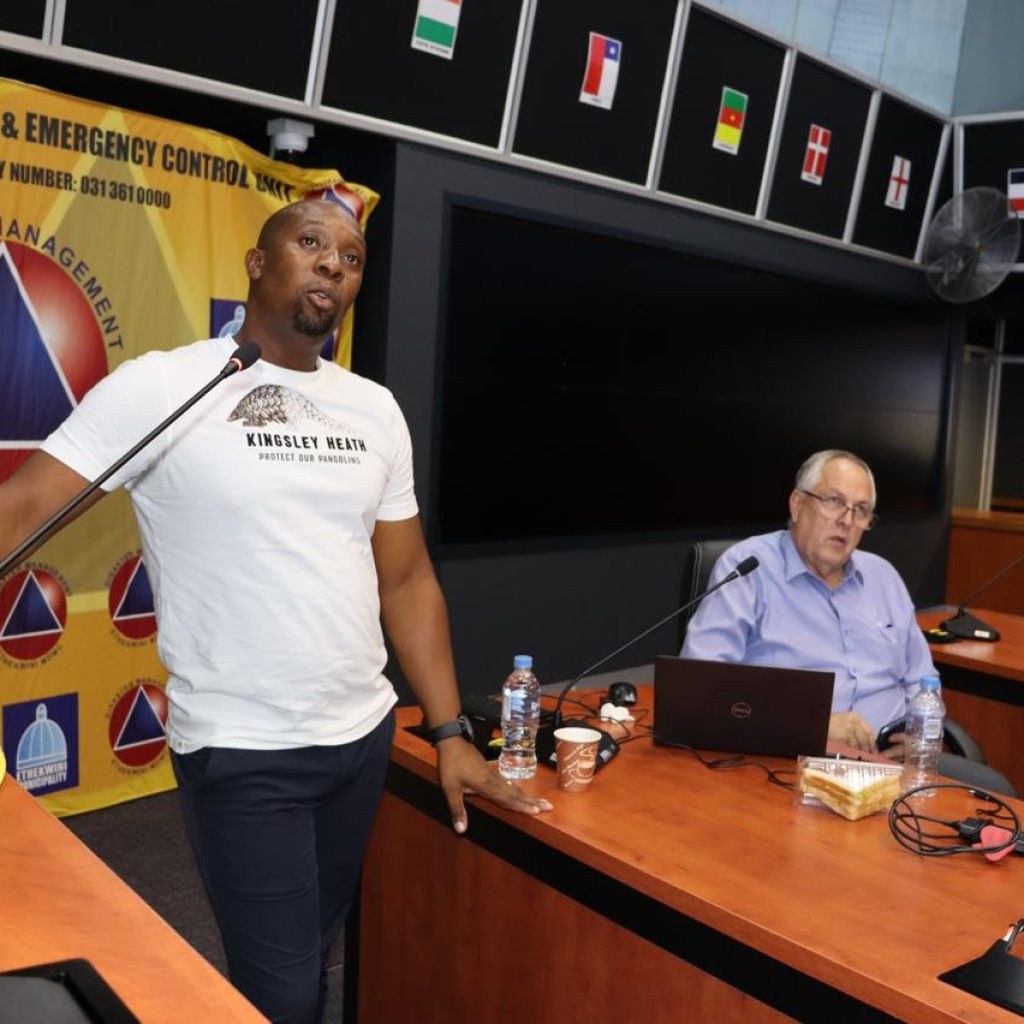
“The workshop represents the industry’s commitment to capacitating the municipality’s emergency services teams with practical tools, technical insights and unified protocols that strengthen the city’s Emergency Response Plan,” said Sasol Inland Pipeline Manager Zwelakhe Mkhasibe
“When industry experts and municipal responders collaborate, we create a life-saving system that responds faster, prevents avoidable disasters and protects communities living close to petroleum pipelines,” he said.
The city said a strengthened plan would improve how emergency teams manage incidents involving underground petroleum pipelines, particularly where infrastructure is tampered with through illegal connections, vandalism or unauthorised digging.
Sasol’s public pipeline safety guidance says gas releases can cause asphyxiation, fire or explosion, and lists digging, excavation, theft and soil erosion among the threats to buried pipelines.
ALSO READ: Xhakaza anchors delivery agenda on Ekurhuleni’s R4.6bn repair push
Disaster Management Manager Jotham Khumalo said the plan would help improve coordination among emergency stakeholders.
“It is a powerful instrument for building disaster-resilient communities. Strengthened coordination ensures quicker decisions, safer responses and improved protection for residents living near Major Hazardous Installations,” he said.
The municipality said the plan would be followed, once consolidated, by a community awareness campaign in high-risk areas to give residents information on hazardous risks, safe response actions and early warning signs of pipeline danger.
The country’s Major Hazard Installation framework requires both duty holders and local government to have emergency preparedness plans in place, including off-site plans for surrounding communities. Cross-country pipelines transporting dangerous substances fall within the category of high-hazard establishments.
Emergency plans must cover how incidents and their consequences are handled both on-site and off-site. Plans should be tested at least once a year.
Public information, training and preventing encroachment into separation zones around hazardous installations must also be undertaken, according to the framework.
The city said earlier this month it had increased unannounced inspections at factories, major hazard installations and national key points.
The eThekwini council heard last year that the metro is grappling with communities and informal settlements encroaching on flammable gas and petroleum pipeline servitudes.
In October 2021, three people died after a fire broke out near a Transnet fuel pipeline in Clairwood, Durban, in an attempt to steal fuel.