- Advertisement -

Metros lose jobs edge as government steps up urban reforms

- Advertisement -

Must read

By Lebone Rodah Mosima 

South Africa’s largest cities are losing their role as the country’s main engines of job creation just as the government is stepping up intervention in failing municipal systems, according to a new economic report.

The Cities Economic Outlook 2026, released on Tuesday through the Spatial Economic Activity Data-South Africa partnership, said employment growth in the country’s eight metropolitan municipalities had faltered over the past decade, with only Cape Town and Tshwane bucking the trend.

ALSO READ: WATCH: Tshwane Transport MMC provides update on grounded buses

Higher-value sectors such as manufacturing had stagnated in several cities, while job growth had shifted towards non-tradable activities and public services.

The report also said youth were hit hardest by job losses, with little sign of recovery since the COVID-19 shock.

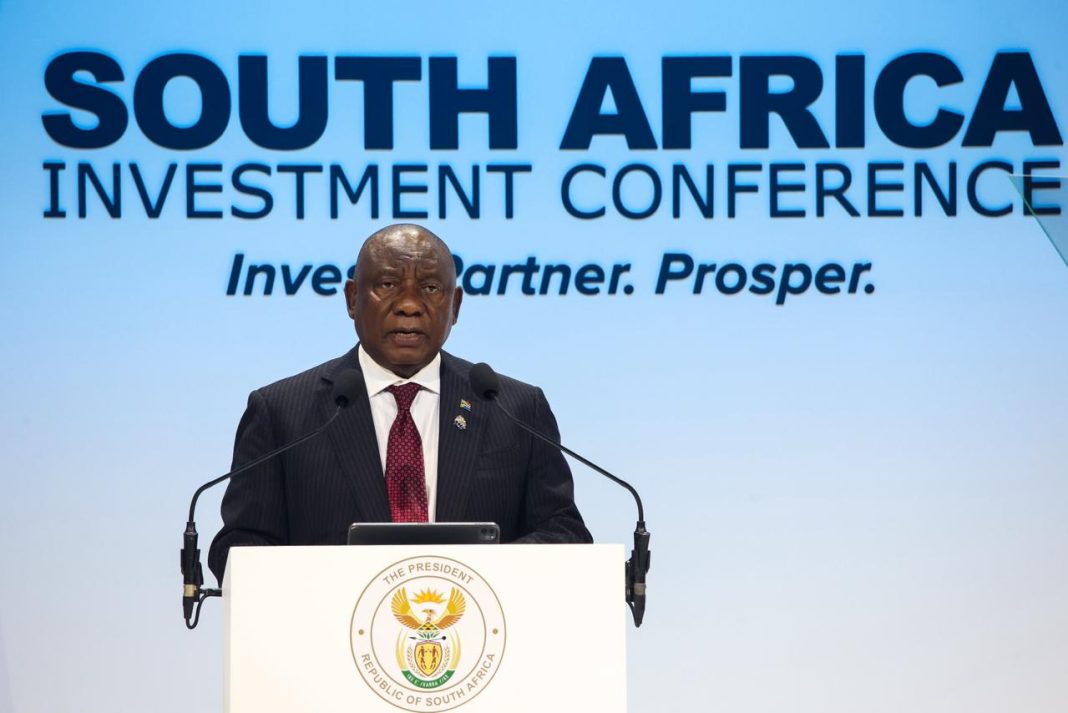
President Cyril Ramaphosa’s administration has placed local government failure, water outages, and decaying infrastructure at the centre of its 2026 reform drive.

In his State of the Nation Address in February, Ramaphosa said water outages were “a symptom of a local government system that is not working” and announced a National Water Crisis Committee that he would chair.

Treasury’s 2026 Budget Review, published days later, said 63% of municipalities were in financial distress in 2023/24, and that the government was now moving “from oversight to active structural intervention”.

ALSO READ: ActionSA unveils helpdesk to enforce accountability 

The report says that South Africa’s economic future is tied to whether its metros can absorb rapid population growth, while restoring their ability to create jobs, attract investment and maintain basic services.

About four in 10 South Africans now live in metropolitan areas, according to the statement accompanying the report, and the eight metros have absorbed half of the national population growth over the past three decades.

“Our cities are the engines of national economic growth, inclusion and innovation. They drive economic activity in their regions. If our cities do not work, South Africa cannot grow,” National Treasury Director-General Duncan Pieterse said in the statement.

Treasury has already begun to recast metro reform as part of its growth strategy.

At the launch of its Metro Trading Services Reform last month, Pieterse said municipalities would be responsible for R205 billion of the roughly R1 trillion in public investment planned over the medium term. He said new reforms were intended to restore reliable water, electricity, sanitation, and refuse services in cities.

Government has also introduced a new R54 billion incentive for metros to reform water, sanitation, and electricity services, according to Ramaphosa’s February address.

The report found the rebound from the pandemic had been uneven, with metros absorbing the bulk of the initial job losses and then lagging behind non-metro areas in recovery.

ALSO READ: Municipal failures at centre of SA water crisis, says Majodina

It also flagged the risks of deindustrialisation, spatial mismatch in Gauteng’s urban economies, and uneven exposure to the green transition.

“South Africa’s cities are central to national prosperity. Yet until recently, even basic questions about metro GDP, employment trends, and industrial change were difficult to answer with confidence,” said Justin Visagie, associate professor at the Southern Centre for Inequality Studies at the University of the Witwatersrand and lead editor of the report.

Visagie said the report was not meant to rank cities, but to support “more informed debate about urban reform, investment and economic renewal”.

INSIDE METROS

- Advertisement -

More articles

LEAVE A REPLY

Please enter your comment!
Please enter your name here

AVBOB STEP 12

Inside Metros G20 COJ Edition

JOZI MY JOZI

Inside Education Quarterly Print Edition

- Advertisement -

Latest article