spot_img

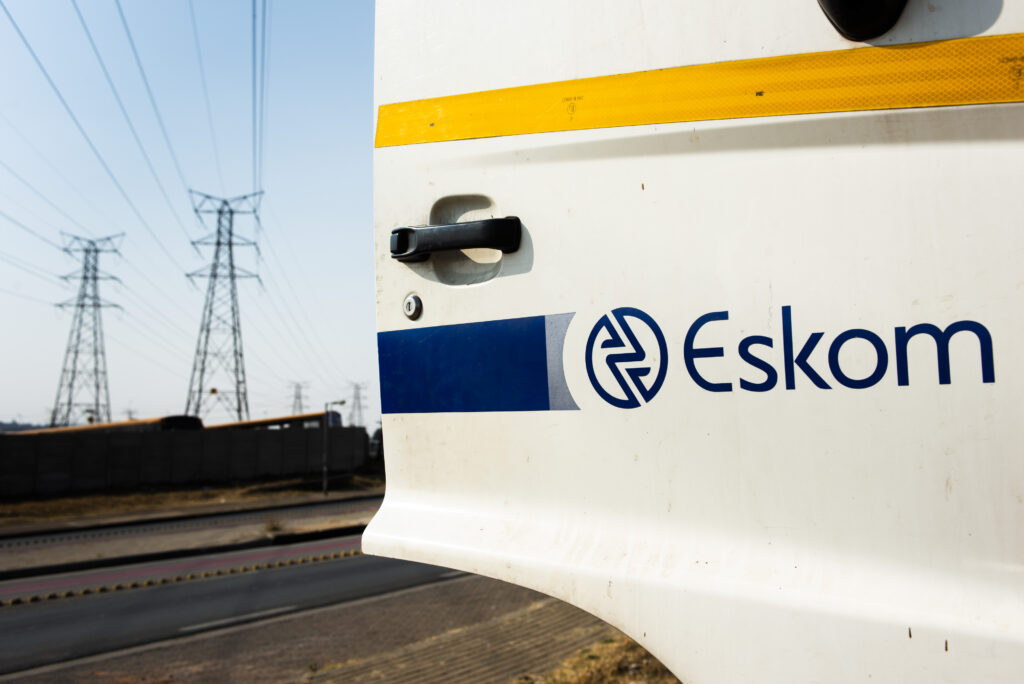
Eskom spinoff plan raises credit profile concerns

-Advertisement-spot_img

Must read

South Africa’s plan to split power utility Eskom into separate units could weaken the state-owned electricity utility’s risk profile because its transmission unit accounts for a major share of its earnings, according to a bondholder and a ratings agency.

The state is unbundling Eskom into generation, distribution, and transmission units in a frequently delayed plan to open the grid to electricity trading and private generation. South African President Cyril Ramaphosa late Monday said the report of a task team established to advise on how to create an independent Transmission System Operator is now expected at the end of June, weeks after its original deadline.

The sticking point is over whether transmission assets would remain within Eskom or be fully separated into the TSO, which is what Ramaphosa announced in February. That outcome means the power utility, which still generates the bulk of the southern African nation’s electricity with aging coal-fired power stations, loses ownership and control of its most valuable business.

Transmission accounts for nearly 40% of Eskom’s core earnings, more than R35 billion ($2.1 billion) in the last financial year, said Jason Lightfoot, a portfolio manager at Cape Town-based Futuregrowth Asset Management, which holds Eskom bonds.

“You can’t lift that off the balance sheet without affecting the credit profile of what remains, and unguaranteed creditors have contractual rights that require proper engagement before any asset transfer can proceed,” Lightfoot said.

Eskom split off the National Transmission Company South Africa in 2024 as a wholly owned subsidiary of the utility.

“Further separation of NTCSA from Eskom will, in our view, be complex to implement,” Moody’s Ratings said in a May 29 report. The transfer of transmission grid assets and cash flows “would likely also weaken Eskom’s business risk profile” and credit quality could be “significantly impaired absent mitigating factors,” analysts wrote.

Municipal debt

Eskom’s unbundling is also under pressure from a legal timeline in the Electricity Regulation Amendment Act that mandates the establishment of the TSO by the end of 2029. Ramaphosa’s task team aims to develop a detailed plan by the end of September for completing the restructuring.

The group has a demanding remit. Its job is to “ensure that Eskom is not worse off than its current financial position following the restructuring,” while not placing undue burden on the state or customers, the presidency said.

Separating out distribution, another major Eskom unit, faces the challenge of R112 billion of arrears owed to the utility by municipalities. Municipal and metro debt to Eskom rose 18% in the year ended March 31, with arrears growing for more than a decade.

“Distribution unbundling isn’t happening on any realistic near-term timeline,” Lightfoot said. The Electricity Amendment Act’s “five-year window is achievable on transmission if the architecture is built without further slippage. On distribution, it is not realistic absent a breakthrough on municipal arrears that isn’t currently visible.”

BLOOMBERG

-Advertisement-spot_img

More articles

LEAVE A REPLY

Please enter your comment!
Please enter your name here

Inside Education Quarterly Print Edition

spot_img

CATHSSETA

spot_img

QCTO

spot_img

AVBOB STEP 12

spot_img

Inside Metros G20 COJ Edition

spot_img

JOZI MY JOZI

spot_img

Inside Education Quarterly Print Edition

spot_img

Latest article