
-Advertisement-spot_img
spot_img

City of Tshwane launches R237m digital procurement platform to curb irregular spending

Must read

By Lebone Rodah Mosima

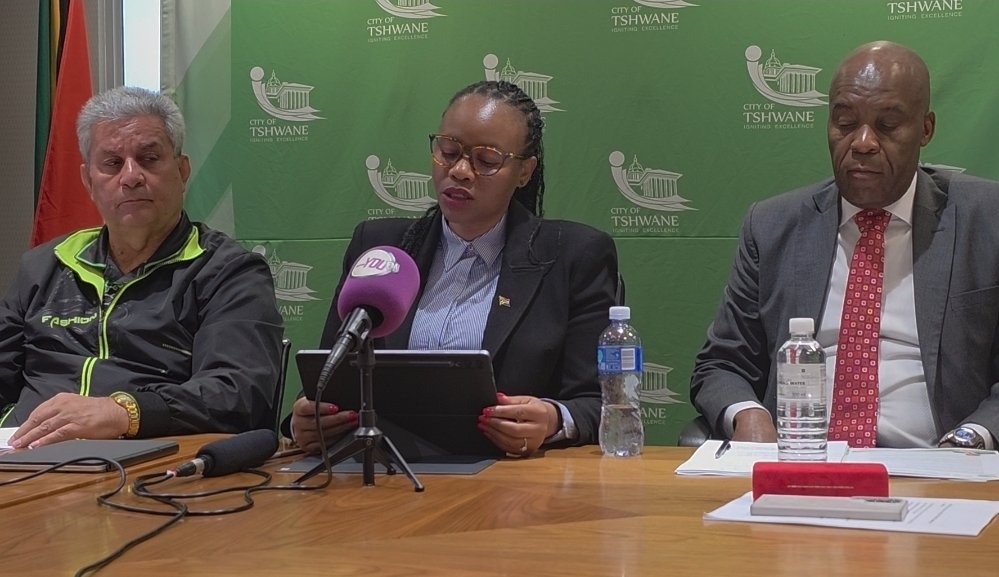
The City of Tshwane has launched a R237 million SAP Ariba digital procurement platform aimed at reducing irregular expenditure, improving compliance and strengthening financial governance.

Speaking at the launch on Thursday, Tshwane deputy mayor and MMC for Finance Eugene Modise said the SAP Ariba e-commerce and procurement portal replaces outdated paper-based procurement processes with a fully integrated digital system.

He said the platform forms part of the city’s broader financial reform programme to improve governance, modernise public administration and ensure public funds are managed transparently and responsibly.

“The SAP Ariba platform being launched today forms a critical pillar of the broader transformation programme. that digitises and integrates the entire expenditure lifecycle,” Modise said.

He said SAP South Africa implemented the system to align the city’s procurement processes with international financial control standards, audit frameworks and procurement governance best practices.

Modise said the platform includes several integrated modules designed to strengthen financial controls, procurement compliance and accountability.

The supplier lifecycle performance module manages supplier onboarding and improves financial risk management, while the operational sourcing module governs procurement below R30,000.

He said the module introduces an automated 80/20 weighted scoring mechanism, standardises bid evaluations, reduces inconsistent scoring and uses blind pricing to minimise opportunities for manipulation.

The platform also includes contract management and DocuSign modules to digitise the contract lifecycle.

According to Modise, the system is expected to improve transparency, increase compliance with supply chain legislation, reduce paperwork and administrative costs, expand opportunities for small businesses and enable continuous monitoring of procurement performance.

He said the city’s financial health depends not only on revenue collection but also on the strength of the systems used to manage public money.

“Every rand collected from residents must be managed through processes that are transparent, accountable and capable of withstanding manipulation,” he said.

“Strong revenue collection creates stability, while a strong procurement system protects that stability.”

Modise said the platform integrates supplier registration, sourcing, contract management and supplier collaboration into a single digital environment, reducing manual intervention, limiting errors and improving compliance.

“Every transaction is supported by a clear digital audit trail, improving oversight and transparency in real time,” he said.

He said the city had piloted the system in four departments — Group Human Capital, Water and Sanitation, Electricity and Energy, and ICT.

A total of 49 tenders were processed during the pilot phase.

Six have been awarded, 42 remain under consideration and one was withdrawn.

Tshwane mayor Nasiphi Moya said city had become the first municipality to implement a fully digital procurement system.

She congratulated the city’s accounting officer, management team and leadership for implementing the platform, describing it as a key governance reform rather than simply a technology upgrade.

“This is not the first reform we have introduced. We have communicated over time our efforts to build internal capacity because strengthening this institution is essential to improving service delivery,” Moya said.

She said procurement lies at the centre of local government, affecting everything from road maintenance and water infrastructure to clinics and other municipal services.

“When procurement systems function properly, residents receive better services and better value for money. When they fail, the consequences are significant,” she said.

Moya said previous audits and investigations had exposed weaknesses in the city’s supply chain management, including inadequate controls, inconsistent compliance, poor record-keeping and vulnerabilities associated with manual procurement processes.

She said the SAP Ariba platform introduces standardised workflows, automated compliance controls and end-to-end digital record-keeping.

Supplier registration, bid submissions, evaluations and approvals are managed electronically, with every transaction timestamped and traceable from requisition to contract award and payment.

“This creates a complete audit trail and significantly strengthens accountability across the procurement process,” she said.

Moya cautioned that technology alone would not eliminate corruption.

“Leadership still matters. Professional ethics matter. Consequences for misconduct matter,” she said.

She said protecting public resources remains one of the municipality’s most important responsibilities.

“Every rand spent by the city belongs to the residents of Tshwane,” Moya said.

“Our responsibility is to ensure that every procurement decision is lawful, competitive, transparent and delivers value for money. This platform strengthens our ability to fulfil that responsibility.”

INSIDE METROS

-Advertisement-spot_img

More articles

LEAVE A REPLY

Please enter your comment!
Please enter your name here

Inside Education Quarterly Print Edition

spot_img

CATHSSETA

spot_img

QCTO

spot_img

AVBOB STEP 12

spot_img

Inside Metros G20 COJ Edition

spot_img

JOZI MY JOZI

spot_img

Inside Education Quarterly Print Edition

spot_img

Latest article