
-Advertisement-spot_img
spot_img

Aucamp wants priority status for farm crimes

Must read

By Lebone Rodah Mosima 

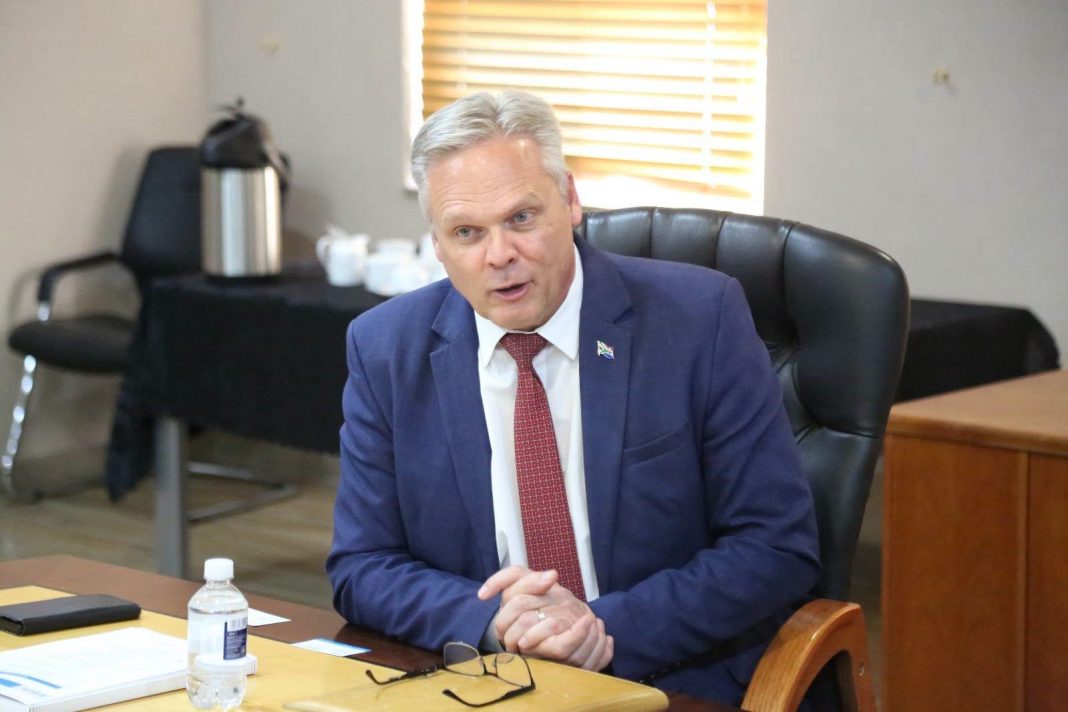
Agriculture Minister Willie Aucamp wants attacks on farmers and farm workers, stock theft and deliberate damage to agricultural infrastructure classified as priority crimes.

“I have already had discussions about this with the Minister of Police, Firoz Cachalia. The Portfolio Chairperson on Police, Ian Cameron, and I are working on a rural safety plan. We need to make sure that the police and rapid response units are resourced adequately to bring the full force of the law to those who challenge the peace of farming communities,” he said at the Agri North West Congress at Buffelspoort on Thursday.

“These crimes should be treated as priority crimes against the economy and our food security,” Aucamp said.

ALSO READ: IFP calls for urgent PKTT probe after two candidates murdered in KZN

He said the agriculture sector could not grow if rural communities lived in fear.

South Africa’s current National Rural Safety Strategy aims to improve policing and coordination in farming and rural communities. Government said in August last year that 893 of 900 identified rural police stations had fully implemented the strategy.

“South Africa’s agriculture depends on safe rural communities, reliable power and functional roads,” Aucamp said.

“We are coordinating across cabinet during this period to place rural infrastructural support and the protection of the food supply chain on the immediate agenda, as well as the protection of South Africa’s agriculture.”

Aucamp also said that government would work more closely with farmers facing disease, high input costs, climate risks and volatile markets.

The theme of the congress was “Who Will Stand With You?”, with Aucamp telling delegates that government’s answer was that it would stand with farmers.

“We stand by you. This is neither a political token, nor will it be buried under several layers of tiers in government.”

He said legal action, bureaucracy and slow government systems had for too long created barriers between government and agriculture.

“That era is ending.”

Aucamp said margins in the sector were under pressure from fuel and fertiliser costs and weak global commodity prices.

The latest official adjustment this week increased both grades of petrol by R1.34 a litre, while diesel rose by about R2.94 to R3.15 a litre.

Regarding climate change and El Niño, Aucamp said both were risks to agricultural production into 2027.

On Wednesday, the department said El Niño was expected to continue through the 2026/27 summer season, with heightened risks of below-normal rainfall and high temperatures.

ALSO READ: Orange Level 5 storm warning issued as severe weather sweeps across SA

Aucamp said government would have to work with farmers and other stakeholders across the agricultural value chain, including suppliers and financiers, rather than attempting to address the sector’s problems alone.

“[S]tanding with you means implementing active policy, real-time interventions and credible public-private partnerships to mitigate against the risks facing your enterprises,” he said.

He said the department had moved on from “standoffs” about the Foot-and-Mouth Disease to closer cooperation with industry, private vets and organised agriculture.

“We are providing direct collaboration opportunities to private role-players, private veterinarians and organised agriculture to enhance the national vaccination programme and also implement practical science-based disease control measures,” he said.

“When a disease threatens your farm, the department will not impede you by introducing red-tape, but will give you the tools, authorisations and supportive measures to defend your herd and your business.”

He said government was also introducing simplified authorisation systems and digital livestock tracking and tracing in an effort to reduce administrative delays.

“It is vital for me to play my part as minister of agriculture to provide a vision and champion your cause within government and with your support, I dare not fail you,” he said.

“Prosperity is built by productivity sectors that include farmers, exporters, marketers, agribusinesses, experts and investors, and our role is to create an enabling environment by removing barriers to trade, opening export markets, strengthening biosecurity and ensuring policy certainty.”

INSIDE METROS

-Advertisement-spot_img

More articles

LEAVE A REPLY

Please enter your comment!
Please enter your name here

Inside Education Quarterly Print Edition

spot_img

CATHSSETA

spot_img

QCTO

spot_img

AVBOB STEP 12

spot_img

Inside Metros G20 COJ Edition

spot_img

JOZI MY JOZI

spot_img

Inside Education Quarterly Print Edition

spot_img

Latest article