
By Johnathan Paoli
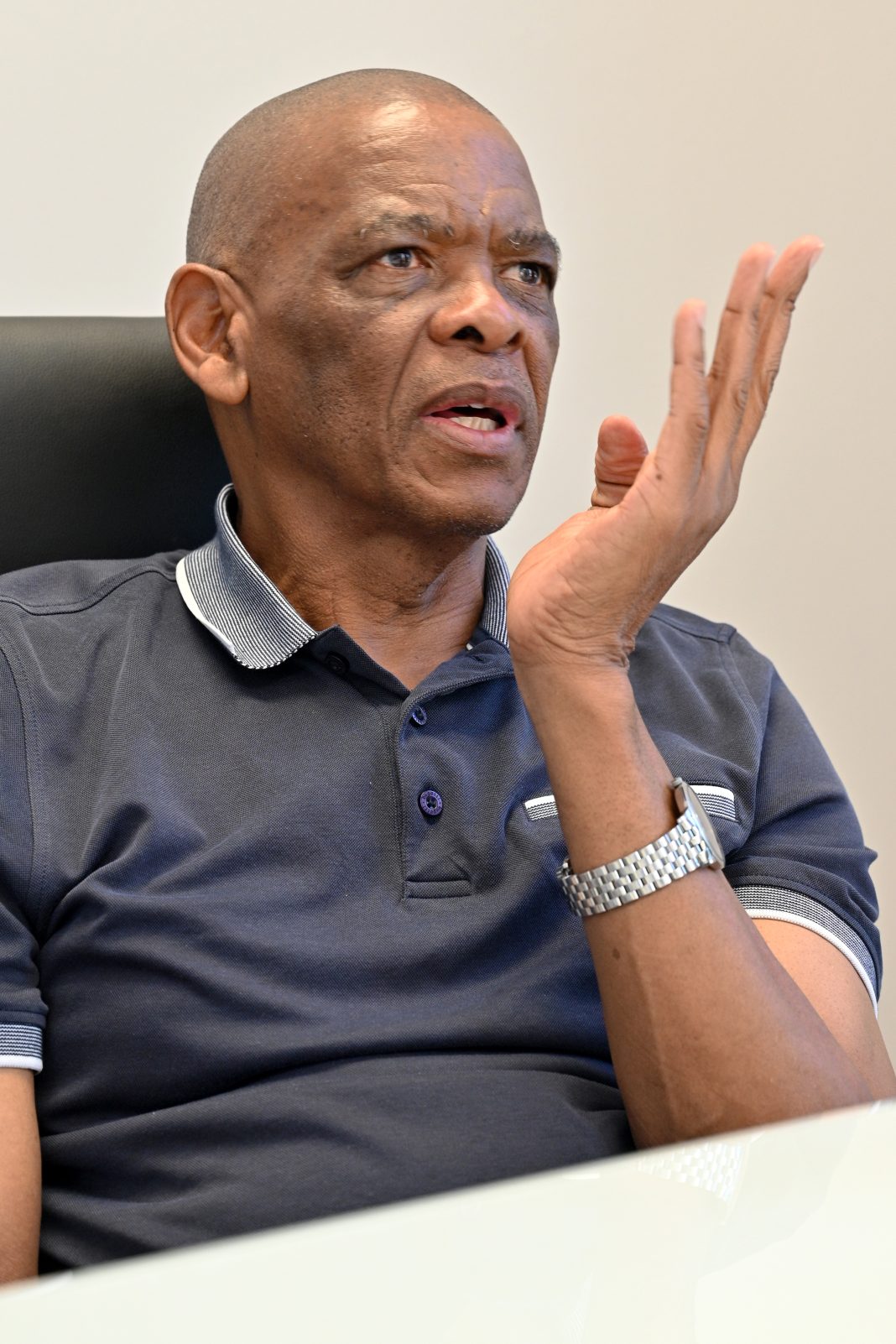
Former Free State premier Ace Magashule has accused successive governments of allowing municipal services to deteriorate, pointing to drinking water problems in his hometown of Parys as an example of what he says has changed since he left office.
Speaking during an Inside Metros podcast, Magashule claimed that residents who previously had access to clean water, now had to buy bottled water, while sewage spills and water cuts had become increasingly common.
“My hometown, Parys, is next to the Vaal River. It never had a problem with water. Even when I was premier, there was no problem. Clean water, Blue Drop. Now, from 2018, we buy water. You go to my town, you can’t drink water in Parys. What are ordinary people supposed to do? They must go and buy water, R8 a bottle,” he said.
Magashule, who served as Free State premier from 2009 to 2018, said the deterioration of municipal infrastructure and basic services raised questions about governance priorities and the management of public resources.
He stressed that the problems extended beyond water provision to include sewage spills, unreliable electricity, deteriorating roads and the decline of state-owned entities.
He said South Africans need to examine the causes of the country’s service delivery challenges.
Magashule also criticised coalition governments, claiming that negotiations between parties had made it harder for municipalities to implement their programmes.
“Now you have to beg others. They tell you, no, for us to do this, please employ this one. For us to do this, please give this one a tender. Now you negotiate. Coalitions won’t work. They won’t work,” he said.
He argued that the ANC had previously delivered services more effectively when it governed without coalition partners, but the party’s priorities had changed as money and political status became more important than the needs of poor communities.
Catch the full Inside Metros podcast interview with Magashule as he reflects on the deterioration of municipal service delivery, the water crisis, and what he believes it will take to get local government working for residents again.