spot_img

AGSA flags procurement failures, weak financial controls at City of Johannesburg

-Advertisement-spot_img

Must read

By Akani Nkuna

The Auditor-General of South Africa (AGSA) has flagged procurement failures at the City of Johannesburg (CoJ), saying appointment processes for service providers are largely uncompetitive and unfair, while poor record-keeping and governance weaknesses continue to undermine accountability and service delivery.

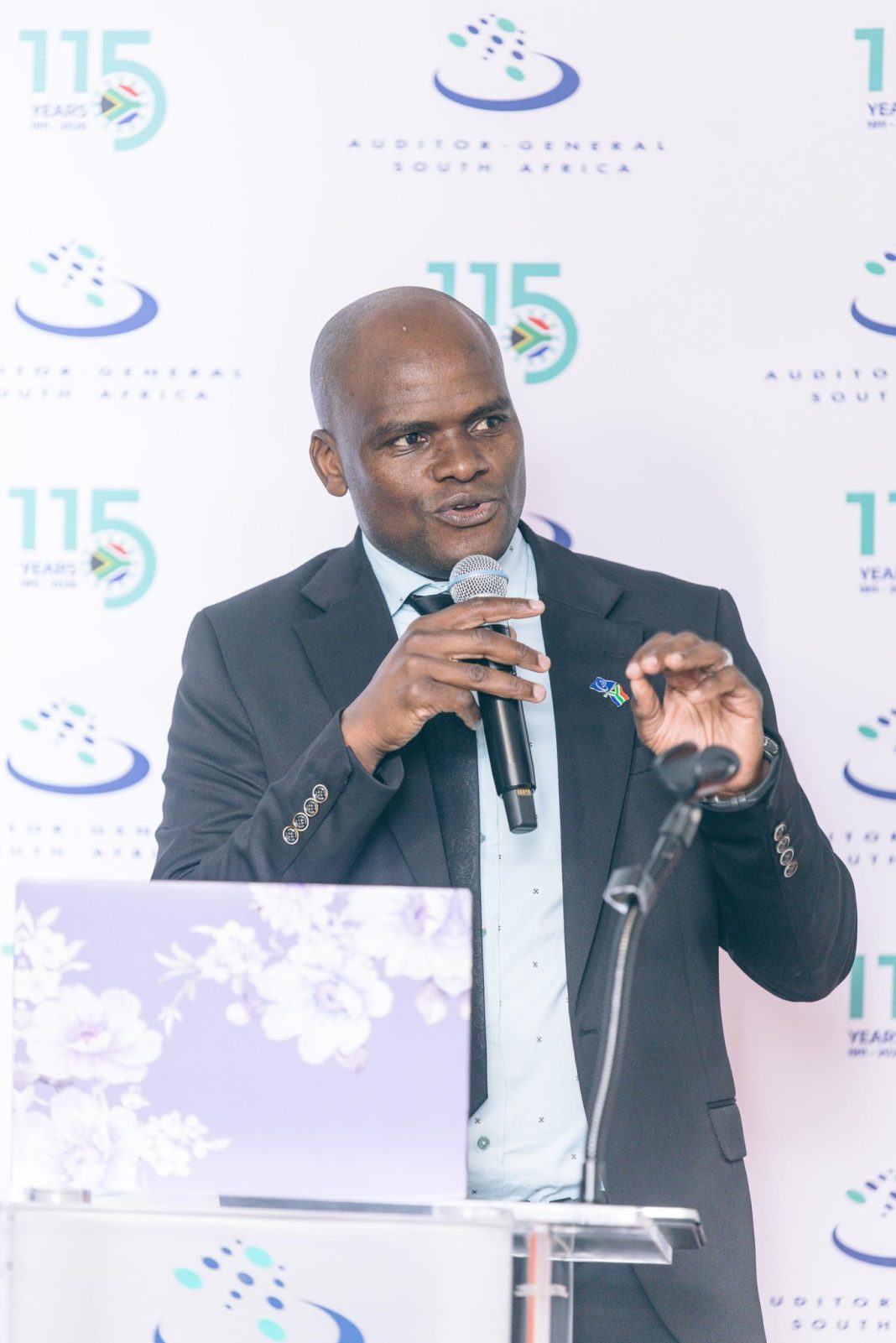
Briefing the Standing Committee on Public Accounts (SCOPA), AGSA official Fhumulani Rabonda said most municipal projects were characterised by unjustified deviations linked to poor planning, which proved costly and highlighted systemic procurement failures.

“[Disciplinary boards] have not been effective in ensuring that they are up to date with all investigations and disciplinary cases. This is due to slow response from management, slow submission of information and the backlog they need to deal with,” he said on Tuesday.

“The key area resulting in procurement failures has to do with the processes themselves. The processes we embark on to appoint service providers have been found to be uncompetitive and unfair.”

AGSA also raised concerns over weak financial discipline at CoJ, including inadequate revenue collection, which resulted in nearly R4 billion in lost electricity revenue. Water revenue losses due to leaks amounted to about R2 billion, while illegal connections accounted for a further R790 million.

Rabonda said the municipality also faces challenges of “cut-off expenditure”, where transactions are recorded in the wrong financial year. He warned that the practice undermines accountability and contributes to irregular expenditure.

“It speaks to a lack of financial discipline in terms of daily and monthly reconciliations to ensure expenditure relating to a particular financial year has been fully and accurately reported,” he said.

He added that the city is operating on an unfunded budget, driven by “unrealistic revenue targets”, resulting in unauthorised expenditure linked to overspending on unfunded items.

The CoJ has also allocated a “significantly low” 4% of its budget to maintenance, compared with the required 8%, limiting its ability to address widespread infrastructure decay.

“The reason irregular expenditure and unauthorised expenditure need to be disclosed is because it is a starting point for municipalities to embark on accountability processes. It must be investigated, and those liable must be held accountable, and where losses are incurred, they must be recovered,” Rabonda said.

AGSA concluded that the City’s overall control environment remains weak, raising concerns about its financial health and instability in political and administrative leadership.

It recommended stronger consequence management, improved preventative and detective controls, and the stabilisation of senior management to strengthen accountability.

The auditor-general also called for the rigorous implementation of ICT systems, describing them as a “fundamental enabler of municipal service delivery” and critical to improving the credibility of financial reporting.

“ICT must never be a ‘by the way’ focus area. It needs to be diligently prioritised by the municipality, as we have noted weak IT governance which has resulted in delayed projects or failed system implementation,” Rabonda said.

INSIDE METROS

-Advertisement-spot_img

More articles

LEAVE A REPLY

Please enter your comment!
Please enter your name here

Inside Education Quarterly Print Edition

spot_img

CATHSSETA

spot_img

QCTO

spot_img

AVBOB STEP 12

spot_img

Inside Metros G20 COJ Edition

spot_img

JOZI MY JOZI

spot_img

Inside Education Quarterly Print Edition

spot_img

Latest article