By Charmaine Ndlela
Western Cape police have dismissed social media claims that 19-year-old Nhlamulo Sambo was killed because he spoke Xitsonga in a predominantly isiXhosa-speaking community or that his death was linked to anti-illegal immigration protests in Mossel Bay.
The clarification follows an online appeal by Sambo’s mother, Patricia Sambo, who alleged that her son had been murdered because he spoke Xitsonga. In a video circulating on social media, she also sought financial assistance to transport his body from Mossel Bay to Limpopo for burial.
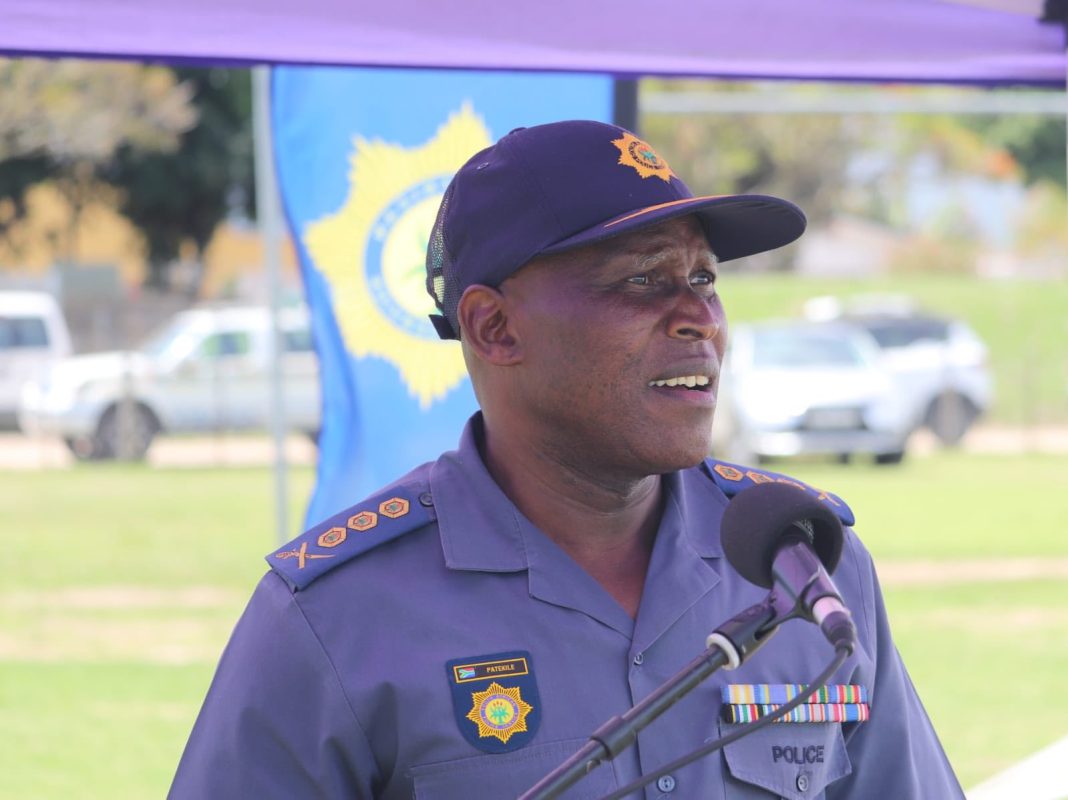
Western Cape Police Commissioner Lieutenant-General Thembisile Patekile told the SABCNEWS that preliminary investigations indicated Sambo’s death was unrelated to the recent unrest in the area.
According to Patekile, Sambo and a 15-year-old companion were allegedly found inside a shack attempting to remove items when the owner returned.
“The deceased and a 15-year-old were found in an empty shack while the owner was away. As they were allegedly trying to remove property, the owner returned. The 15-year-old hid under a bed, while the owner chased after the deceased and allegedly stabbed him to death,” Patekile said.
He said the incident was not linked to the March and March protests that took place on Friday and Saturday.
Police said they were investigating three murder cases linked to the recent violence in Mossel Bay, including the deaths of two Mozambican nationals and Sambo.
In a statement, police said investigations into the deaths of two Mozambican men, aged 27 and 43, were continuing and that no arrests had yet been made.
Public Order Police remain deployed in Mossel Bay following unrest in the Asla Park informal settlement in KwaNonqaba, where about 55 shacks were allegedly torched last week, displacing more than 400 people.
Undocumented migrants affected by the violence say they have lost their homes, belongings and sources of income.
Mossel Bay Community Safety Portfolio Committee chairperson Leon van Dyk said humanitarian assistance, including food and other essentials, was being provided to displaced residents.
The incident has also fuelled political tensions. Economic Freedom Fighters (EFF) MP Naledi Chirwa criticised March and March leader Jacinta Ngobese-Zuma, accusing the movement’s anti-illegal immigration rhetoric of contributing to a climate of hostility that preceded Sambo’s death.
The claims intensified public debate over accountability, migration and community safety before police rejected suggestions that Sambo’s killing was linked to xenophobic violence or the protests.
Police have arrested five suspects since the unrest began. Two were charged with public violence and granted bail of R1,000 each after appearing in court.
Three others are expected to appear in the Mossel Bay Magistrate’s Court on charges relating to the possession of suspected stolen property.
The South African Police Service (SAPS) reiterated its commitment to protecting the constitutional right to protest but warned that criminal conduct and incitement to violence would not be tolerated.
The developments come amid heightened tensions over anti-illegal immigration protests in several parts of South Africa.
Organisers of the March and March movement are continuing to mobilise support for a planned national shutdown on June 30, although questions remain over the scale and impact of the action.
INSIDE METROS