By Akani Nkuna
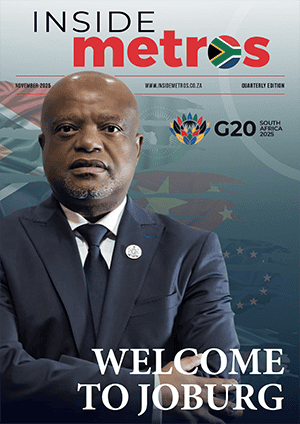
Gauteng Police Commissioner Lieutenant General Tommy Mthombeni says law enforcement agencies have the capacity to police weekly anti-illegal immigration protests should organisers proceed with plans for regular demonstrations.
Mthombeni, co-chairperson of the Gauteng Provincial Joint Operational and Intelligence Structure (PROVJOINTS), briefed the media at Johannesburg Central Police Station on Wednesday following demonstrations held across the province on 30 June.
He said Gauteng’s integrated law enforcement resources, including the South African Police Service (SAPS), metropolitan police departments and local traffic authorities, were sufficient to respond to recurring protests.
“Do law enforcement have enough capacity to deal with this? Yes,” Mthombeni said.
“We had a three-point approach in terms of our planning. This province has about 10,000 metro police officers, excluding local traffic officers. We also work through intergovernmental structures across all 11 municipalities. We are in a position to deal with any situation within the province.”
His remarks follow an announcement by March and March leader Jacinta Ngobese-Zuma during Tuesday’s demonstration in Durban that the organisation intends holding marches every Thursday until government responds to its demands on illegal immigration.
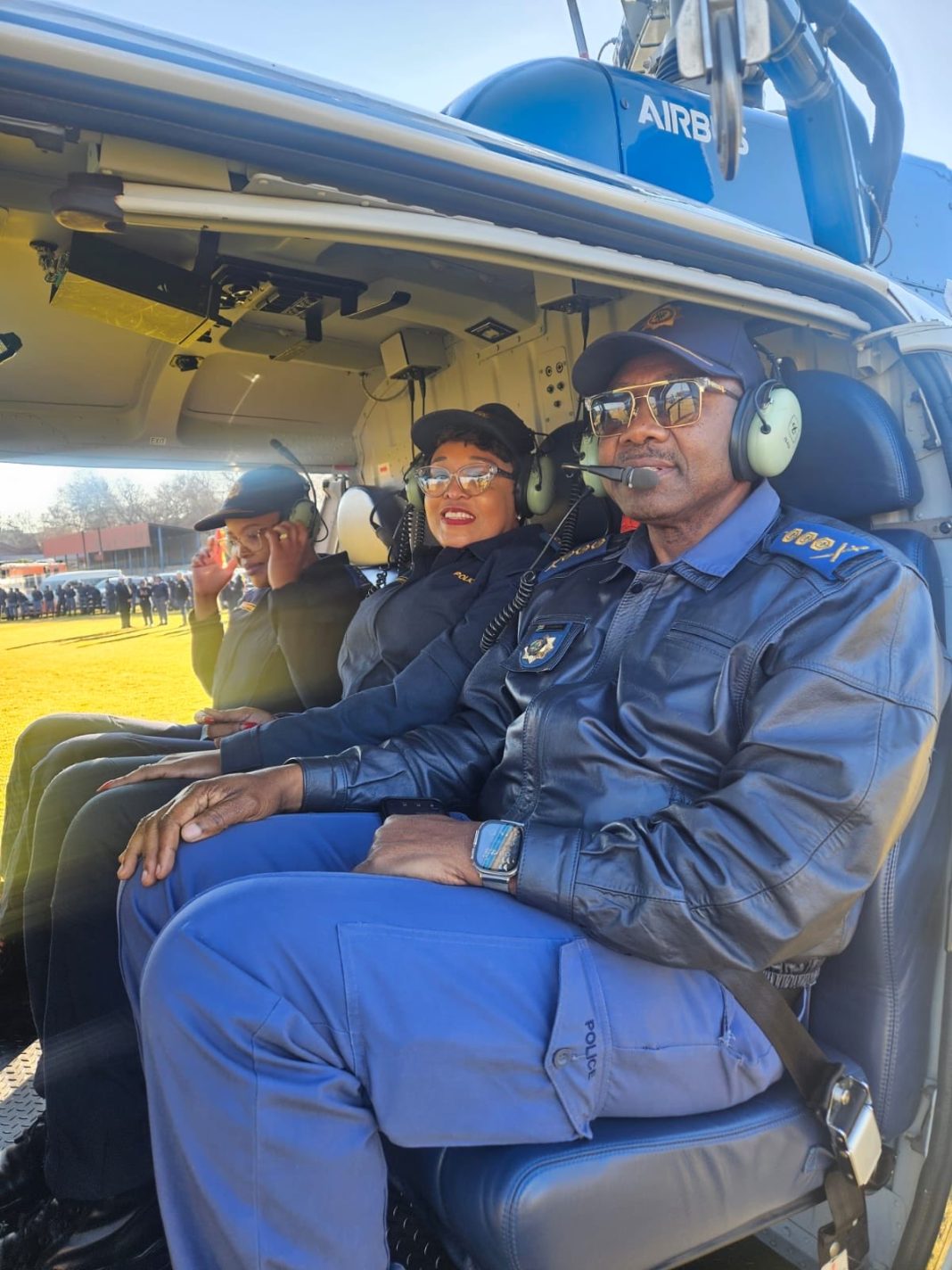
Mthombeni said police deployed drones, helicopters and increased ground patrols to monitor the 30 June demonstrations.
He said 154 people were arrested across Gauteng for offences including public violence, looting and contraventions of the Immigration Act after, he said, “habitual criminals” ignored repeated warnings that criminal activity would not be tolerated during the protests.
The arrests included 41 in Johannesburg, 30 in Sedibeng, 18 in Tshwane and 16 on the West Rand.
Police also confiscated eight firearms between 30 June and the morning of 1 July, six of which were unlicensed.
Mthombeni said the firearms were linked to incidents associated with the protests.
“As we subscribe to the whole-of-government approach, we will remain on the ground and continue with our operational activities on a daily basis,” he said.
Speaking at the same PROVJOINTS media briefing, Gauteng Premier Panyaza Lesufi said the province could not afford to lower its guard against crime and announced plans for a two-day summit involving protest leaders, government departments, agencies and political parties to discuss illegal immigration and access to public services.
He cautioned that sustained large-scale demonstrations would have financial, social and infrastructure implications for the province.
“The provincial cabinet has approved a two-day summit to bring together all affected institutions, agencies of government and political parties that have shown interest in these issues so that we can agree on commitments and practical solutions,” Lesufi said.
He said while the province had sufficient resources to manage Tuesday’s demonstrations, additional long-term strategies would be required if protests became a regular occurrence.
“Yesterday we had the capacity, but going forward we will need strategies that will help us maintain that capacity and ensure that our province remains safe,” he said.
INSIDE METROS