
By Charmaine Ndlela
The University of Cape Town’s (UCT) Poisons Information Centre has received a R1.4 million funding boost from Aspen Pharmacare, strengthening South Africa’s only national poison emergency helpline as demand for life-saving toxicology advice continues to rise.
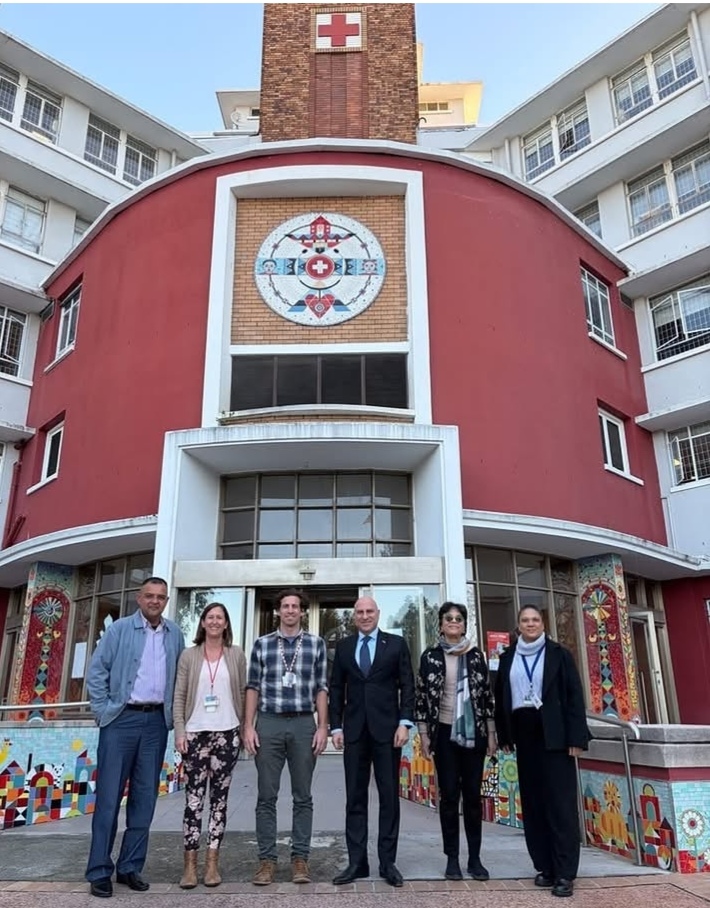
Based at the Red Cross War Memorial Children’s Hospital, the UCT Poisons Information Centre co-runs the Poisons Information Helpline with Stellenbosch University. The 24-hour service provides expert guidance to healthcare professionals and the public during poisoning emergencies, making it the country’s first line of defence against toxic exposures.
ALSO READ: How changes in Knysna Estuary habitat put endangered seahorse under pressure
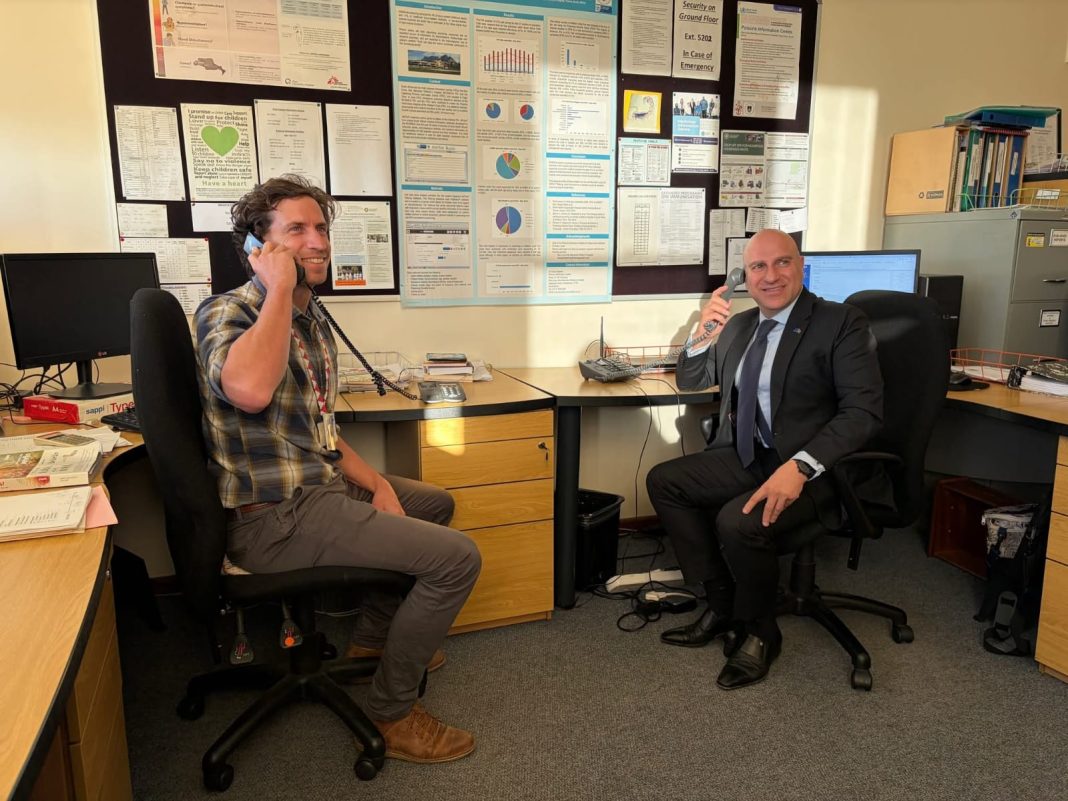
During a visit to the centre, Aspen Pharmacare Group Senior Executive Dr Stavros Nicolaou said the partnership continues to deliver meaningful public health impact.
“This is the third consecutive year that we have funded the helpline, highlighting our commitment to this critical and essential national service that directly impacts the lives of so many who rely on the expertise and information provided. We remain committed to this partnership and the public impact it delivers,” Nicolaou said.
The funding comes as the centre reports growing demand for its services, with thousands of poisoning-related calls received from across the country each year.
According to the head of the UCT Poisons Information Centre, Dr Cindy Stephen, the centre received an average of 1,134 calls per month in 2023, with almost 50% of enquiries related to medication overdoses.
Stephen added that the centre has recorded more than 111,000 poison-related cases since its establishment, creating one of the country’s most valuable toxicology databases.
“Poisoning from medications was a significant concern, with 56% of intentional self-harm cases and 28% involving children under five,” she said.
The growing volume of calls reflects the increasing importance of the helpline in responding to accidental poisonings, medication overdoses, snakebites, chemical exposures and other toxic emergencies.
Director of the Poisons Information Centre, Dr Bradley Browne, said the service extends far beyond answering emergency calls.
ALSO READ: Specialised teams deployed to Rustenburg mining site collapse
“We receive more than 13,000 calls each year, and the number grows annually. One other aspect to highlight, in addition to the direct life-saving impact of the service, is that to date the PIH has recorded over 150,000 poisonings on its database,” Browne said.
“This data is used at local and national level to highlight specific toxicology challenges, such as antivenom shortages or emerging trends in toxic exposures. It supports preventative efforts within the health system and ensures we remain well prepared when events occur.”
The extensive database helps health authorities identify emerging poisoning patterns, improve emergency preparedness and inform national responses to toxicology challenges.
UCT said Aspen Pharmacare’s support has been instrumental in sustaining the helpline while also contributing to bursaries and other university initiatives focused on public health and education.
“We are very appreciative to Aspen Pharmacare for their longstanding support, which includes the PIH, bursaries and various other projects at UCT,” the university said in a statement.
“This support enables us to continue delivering social impact and highlights our strong partnerships with stakeholders. The PIH provides an invaluable service to medical practitioners and the public, and UCT is proud to be associated with this impactful initiative.”